
Reviewed · GINZA TOURS
Private Ginza Architecture Tour
Ginza’s best architecture is not all polished department stores. This 210-minute private walk begins at the unusual Tsukiji Hongwan-ji temple, then moves through Kabuki-za, modern retail buildings, a Metabolism-era landmark, and a quieter backstreet pocket. It gives you a sharper view of Tokyo than a simple shopping stroll.
I like the wide architectural range, from an Indian-style temple exterior and European church-like interior to bold contemporary works by major and emerging architects. I also like the private format, which lets the guide set the pace and explain why Ginza looks the way it does. The main drawback is the price: at $129 per person, it makes the most sense if architecture is a real interest rather than a side attraction.
In This Review
- Key points to know before you book
- Why this Ginza walk is different
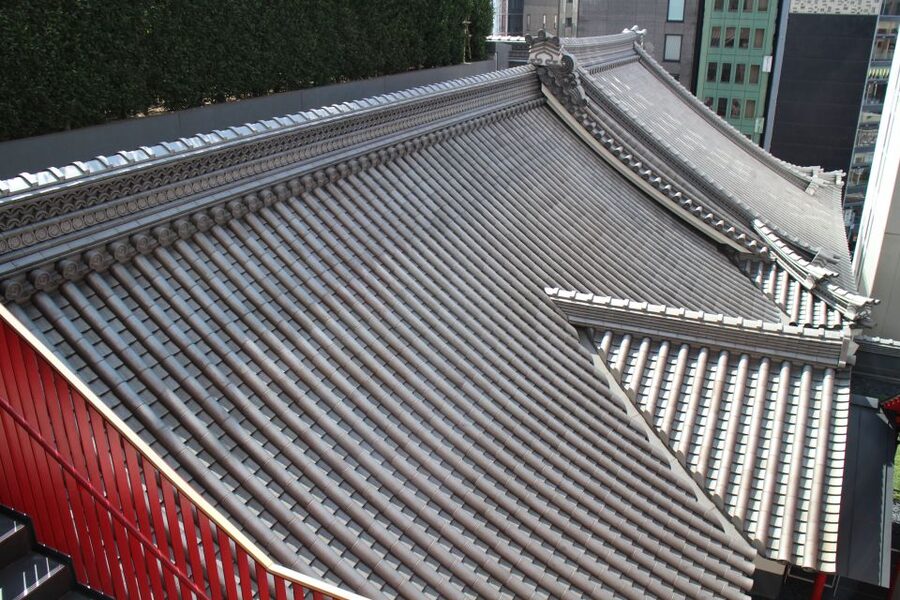
- Starting at Tsukiji Hongwan-ji
- Kabuki-za and the art of carrying tradition forward
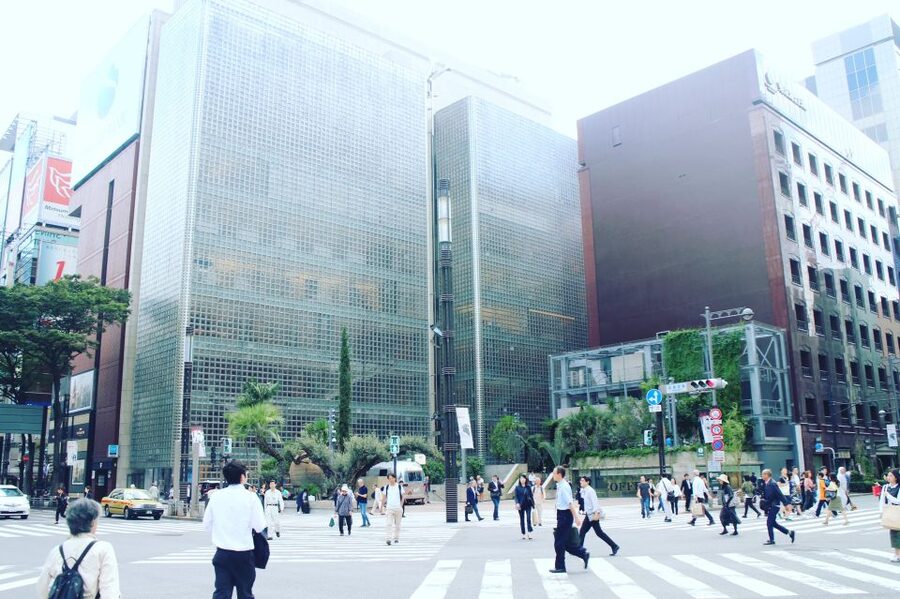
- The Nicolas G. Hayek Center and Ginza’s modern face
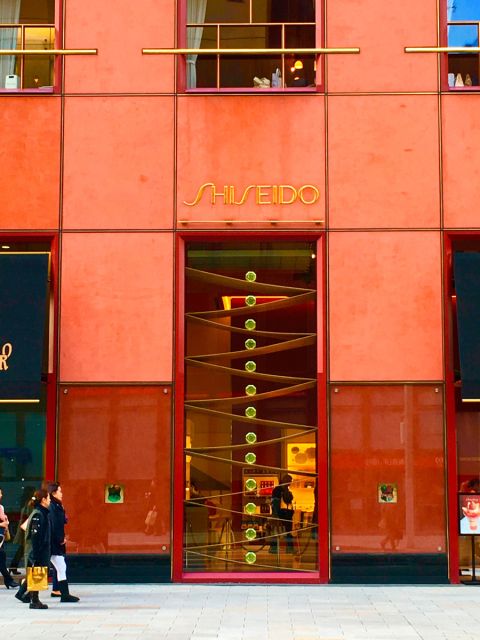
- Maison Hermès and the texture of a luxury facade
- Tokyu Plaza Ginza and the changing shopping district
- Mikimoto Ginza 2 and the value of looking up
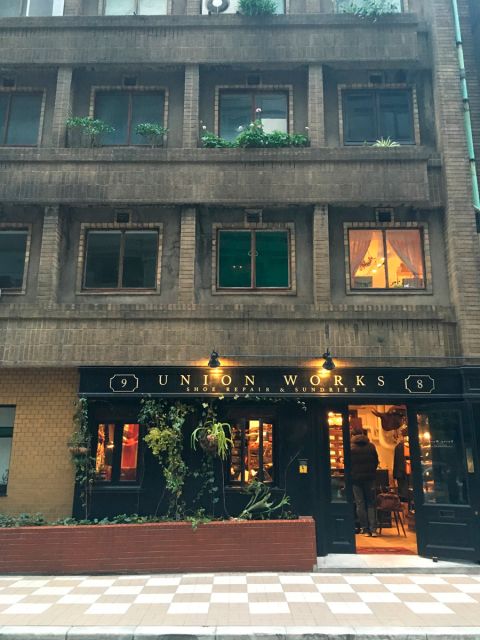
- The Okuno Building and an older Ginza mood
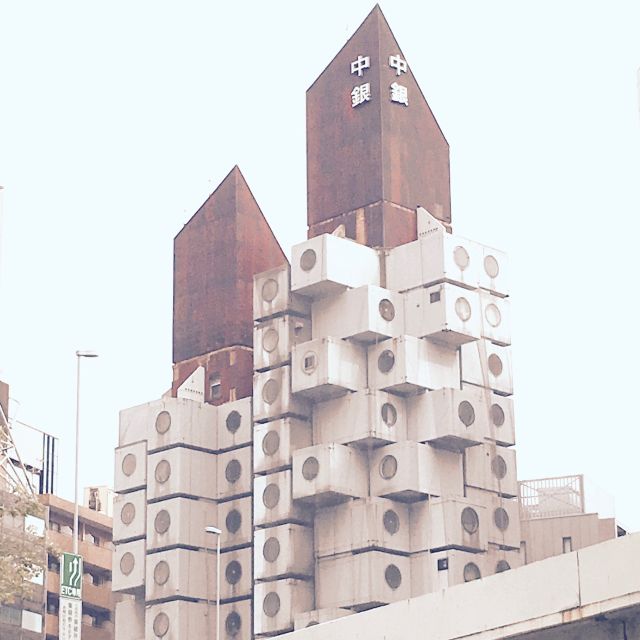
- The Metabolism movement in central Tokyo
- The backstreet side trip
- Finishing at Ginza 4-chome and the Wako building
- What $129 per person really buys you
- Who should take this tour?
- Should you book the Private Ginza Architecture Tour?
- FAQ
- Where does the Private Ginza Architecture Tour begin?
- Where does the tour finish?
- How long does the tour last?
- Is the tour private?
- Is a meal included?
- Can I cancel for a full refund?
Key points to know before you book
- Tsukiji Hongwan-ji is the unusual opening stop: Its Indian-style exterior and European church-like interior make it unlike most temple buildings in Tokyo.
- The route links old and new Ginza: You will see Kabuki-za’s traditional design alongside Maison Hermès, Tokyu Plaza Ginza, and other modern works.
- The Metabolism movement gets a place on the route: The tour introduces Japan’s experimental ideas about new urban forms from the 1960s and 1970s.
- A private English-speaking guide leads the walk: This is a better fit for questions and discussion than a large group tour.
- The backstreet detour adds useful contrast: You get a glimpse of Ginza beyond its famous avenues and luxury storefronts.
- A drink break is included: The pause helps make a three-and-a-half-hour architecture walk more manageable.
Why this Ginza walk is different
Ginza is often reduced to expensive shops, bright signs, and the famous Wako clock tower. That misses the point. The district is also a compact lesson in Japanese architecture, where traditional forms, postwar experiments, luxury branding, and small urban streets sit close together.
This tour is built around that contrast. You are not simply ticking off buildings from the outside. The route gives each stop a place in a larger story about how Tokyo presents itself, rebuilds itself, and makes room for new design.
The private format matters here. Architecture can be hard to read without context, especially when a building looks simple from the street. With your own English-speaking guide, you can ask why a design matters, how it relates to older Japanese forms, or what makes a particular building different from its neighbors.
The one confirmed guest comment describes the guide as very capable and pleasant, with an excellent overall experience. No guide name is provided, so you should not expect to request a particular person. Still, the private arrangement gives you a chance to ask for more detail on the buildings that interest you most.
A few more Tokyo tours and experiences worth a look

Starting at Tsukiji Hongwan-ji
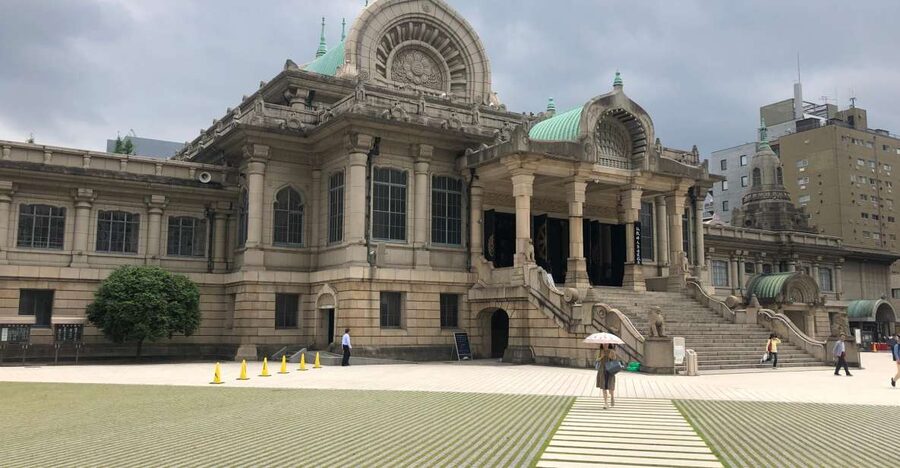
The meeting point is in front of the main gate of Tsukiji Hongwan-ji temple. From Exit 1 of Tsukiji Station on the Tokyo Metro Hibiya Line, turn left and walk straight for less than a minute.
That easy meeting point is useful if you are coming from another part of Tokyo. It also gives the tour a strong opening. Tsukiji is usually linked with its former fish market, but this building offers a very different reason to visit the district.
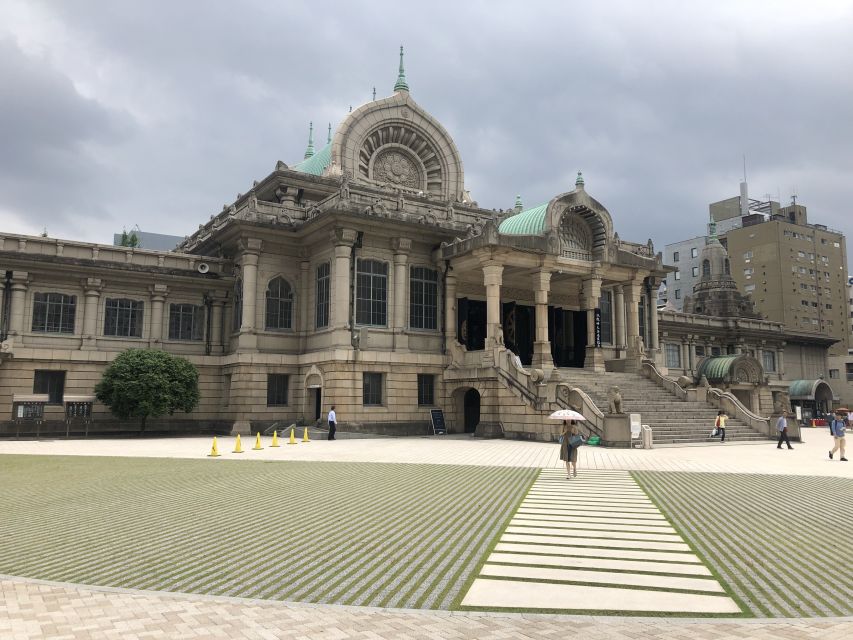
The exterior has an Indian-inspired appearance, while the interior is described as similar to a European church. That pairing makes the temple especially useful for understanding how Japanese buildings can combine outside influences with local religious use.
You should pay attention to the change between the outer facade and inner space. The contrast is the architectural point. Rather than presenting a single pure style, the building brings together visual ideas from different traditions.
This first stop also sets the tone for the rest of the walk. You will be looking at buildings that do not fit neatly into one category. Some refer to older Japanese design, some use international styles, and some push toward new forms.
Kabuki-za and the art of carrying tradition forward
From the temple, the route continues to the Kabuki theater, newly built in 2013. Its design inherited the traditional style of earlier generations, making it an important stop for anyone interested in the relationship between old and new Japan.
Kabuki-za is a good reminder that tradition does not always mean preserving an old building unchanged. A newer theater can carry forward familiar visual ideas while serving present-day needs. That makes the site more interesting than a quick photo stop.
The tour gives you a chance to consider how a major cultural building presents itself in modern Ginza. You will see a traditional visual language placed in a district filled with sharp contemporary facades and luxury retail architecture.
This is also one of the route’s most approachable stops. Even if you do not have a technical background in architecture, you can understand the basic question: how do you design a new building that still feels connected to the past?
The Nicolas G. Hayek Center and Ginza’s modern face
The Nicolas G. Hayek Center brings the walk into a more modern register. The itinerary identifies it as one of the key architectural stops, alongside Maison Hermès, Tokyu Plaza Ginza, and Mikimoto Ginza 2.
These buildings help explain why Ginza is such a strong place for architecture fans. The district gives major designers and brands prominent city sites, so retail buildings become part of the public streetscape rather than plain containers for shops.
You will not be looking only at what is sold inside. The point is how these buildings announce themselves from the street, how they relate to neighboring structures, and how each one adds a different note to the avenue.
The Nicolas G. Hayek Center is especially useful in this sequence because it prepares you for the polished, brand-focused buildings that follow. The route moves from cultural and religious architecture toward commercial architecture without losing its focus on design.
Maison Hermès and the texture of a luxury facade
Maison Hermès is another major Ginza stop. It is included as part of the route’s balance between traditional and modern works.
For you, the value of seeing it with a guide is the chance to look beyond the label. The building can be considered as architecture in its own right, not just as a luxury shop. Its place in the Ginza streetscape helps show how international brands use buildings to create a strong identity in one of Tokyo’s most prominent shopping districts.
This stop is also a useful counterpoint to Kabuki-za. Kabuki-za refers openly to Japanese cultural tradition, while Maison Hermès represents a more international commercial presence. Placing them in the same walk makes Ginza feel like a meeting place for different design ideas.
If you prefer temples and historic structures only, this part of the tour may feel less compelling. If you want to understand contemporary Ginza, it is essential.
Other private tours in Tokyo



Tokyu Plaza Ginza and the changing shopping district
Tokyu Plaza Ginza continues the tour’s look at new commercial architecture. It is one of the newer works included among buildings that show how Ginza keeps changing while remaining recognizable.
The tour promises a mix of famous architecture and inspiring work by emerging architects. Tokyu Plaza Ginza fits that modern side of the experience. You will have a chance to compare it with Maison Hermès rather than seeing either building in isolation.
That comparison is one of the private walk’s strengths. Ginza’s buildings can blur together when you pass them quickly. A guide can help you stop, look closely, and think about the choices that separate one facade from another.
The route is not designed as a shopping tour, and meals are not included. You should approach this stop as an architectural viewing point, not as time set aside for browsing stores.
Mikimoto Ginza 2 and the value of looking up
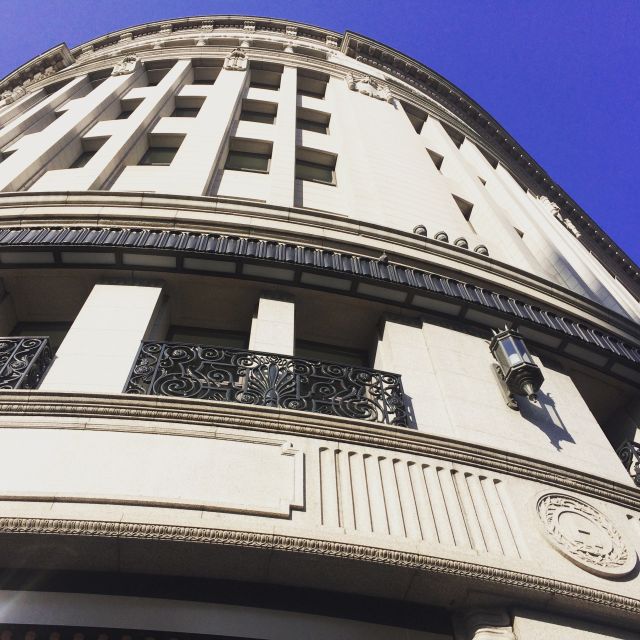
Mikimoto Ginza 2 adds another contemporary building to the sequence. By this stage, you will have seen several very different ways of handling a commercial site in central Tokyo.
This is where the tour’s well-balanced route becomes useful. Instead of giving you only landmark buildings from one period, it moves across traditional, modern, and experimental work. The result is a more complete picture of Ginza’s built environment.
You will also benefit from the pace. Three hundred minutes would be too long for a rushed list of addresses, but 210 minutes allows time for explanation, walking, and a short break. It is still a substantial outing, so comfortable shoes and attention to the weather are sensible, even though those practical details are not specified as tour requirements.
The Okuno Building and an older Ginza mood
The Okuno Building changes the feel of the route again. It is one of the named stops, and its presence helps keep the walk from becoming a parade of only new luxury facades.
The itinerary describes the tour as covering work from traditional to modern, and the Okuno Building is part of that balance. It gives you another point of comparison as you consider how Ginza has developed over time.
This stop may appeal most to people who enjoy seeing different layers of a city in one walk. You are not being sent to a single architectural period. Instead, you are moving through a district where older and newer ideas share a tight urban setting.
Because the available details do not specify interior access, you should expect the experience to focus on viewing and discussing the buildings along the route. The tour includes a guide and walking tour, but it does not list admission tickets or special building entry.
The Metabolism movement in central Tokyo
One of the most distinctive elements is the attention to Japan’s Metabolism movement. The movement proposed new forms of urbanism during the 1960s and 1970s, a period when architects were thinking boldly about how cities might grow and change.
This context adds real value to the walk. You are not simply seeing attractive facades. You are being introduced to a set of ideas about flexible cities, future growth, and architecture that could respond to changing urban needs.
The supplied information does not identify the exact Metabolism building on the route, so you should ask your guide to point out which stop best represents the movement. That is a good example of why a private tour can work well: you can request a clearer explanation instead of letting an unfamiliar term pass by.
If Japanese postwar architecture interests you, this may be the most important reason to book. The tour connects Ginza’s visible buildings with a major chapter in Japan’s architectural thinking.
The backstreet side trip
The route includes a secret side trip through a backstreet neighborhood. This short detour is important because Ginza is more than its grand avenues.
The side streets give you a chance to see a different aspect of the district, away from the best-known facades and major intersections. The description does not specify exactly which lane or neighborhood you will visit, so you should treat the detour as a flexible part of the walk rather than a fixed landmark stop.
That uncertainty is not necessarily a weakness. In a private tour, a guide may be able to adjust the route to the group’s interests and the conditions on the day. The backstreet visit also keeps the experience from feeling like a strict checklist.
I especially like this feature for first-time visitors who want a little more than the postcard version of Ginza. It adds texture to the tour without requiring a separate excursion.
Finishing at Ginza 4-chome and the Wako building
The walk finishes at the intersection of Ginza 4-chome, where the Wako building, known for its SEIKO watch, is located. This is a fitting final point because it is one of Ginza’s most recognizable visual markers.
After seeing temples, theaters, commercial buildings, and quieter streets, you arrive at a place that captures the district’s public image. The famous clock building gives the tour a clear ending and makes it easy to continue exploring Ginza on your own.
The final location is also practical. You can plan shopping, food, or onward transport from the Ginza area after the tour. Transportation to and from the area is not included, so make sure you account for your own subway or other transport costs.
What $129 per person really buys you
The price is $129 per person. That is not a casual add-on for someone who simply wants a short orientation walk.
The value comes from the private format, the English-speaking guide, the three-and-a-half-hour route, and the specialized focus. You are paying for interpretation and access to a carefully connected set of buildings, not for meals, transport, or ticketed attractions.
For a couple or small private group with a strong interest in architecture, the cost can be reasonable. You can ask questions, spend more time at the stops you care about, and avoid the pace of a large group. The included drink break also gives the long walk a useful pause.
For budget-conscious visitors, the price may feel high because the tour does not include lunch, public transport, or entry to a paid attraction. You should book it for the architectural focus, not because it bundles many extras.
Free cancellation up to 24 hours before the start and the option to reserve now and pay later reduce some booking risk. Those policies are helpful if your Tokyo plans are still shifting.
Who should take this tour?
I would recommend this walk to you if you enjoy buildings, city planning, and the way modern Japan handles tradition. It is also a good choice if you have already seen Ginza’s shops and want a more thoughtful reason to return.
The private format suits couples, families with a shared interest, and small groups who want to ask questions. The tour is in English, and the guide is described as very capable and pleasant by the supplied guest feedback.
You may want to skip it if your priority is food at Tsukiji, shopping time, temple interiors, or a broad sightseeing tour of Tokyo. The route is focused on architecture, and 210 minutes is a long time to spend looking at buildings if that subject does not hold your attention.
Should you book the Private Ginza Architecture Tour?
Book it if you want to understand why Ginza looks the way it does. The strongest feature is the contrast: Tsukiji Hongwan-ji’s unusual religious design, Kabuki-za’s renewed traditional style, modern retail architecture, Metabolism ideas, and a backstreet detour all fit into one private walk.
At $129 per person, this is a specialist tour rather than a bargain. I think it earns the price for architecture fans who value a private English-speaking guide and a well-planned route. If you are mainly seeking famous sights or shopping time, spend your money elsewhere.
FAQ
Where does the Private Ginza Architecture Tour begin?
The tour begins in front of the main gate of Tsukiji Hongwan-ji temple. From Exit 1 of Tsukiji Station on the Tokyo Metro Hibiya Line, turn left and walk straight for less than a minute.
Where does the tour finish?
The walk finishes at the Ginza 4-chome intersection, where the Wako building, known for its SEIKO watch, is located.
How long does the tour last?
The tour lasts 210 minutes, or three and a half hours. Starting times depend on availability.
Is the tour private?
Yes. It is offered as a private group experience with a live English-speaking guide.
Is a meal included?
No. Meals are not included. A break with drinks is included during the walking tour.
Can I cancel for a full refund?
Yes. You can cancel up to 24 hours in advance for a full refund. You can also reserve now and pay later.
More Private Tours in Tokyo
More Ginza Tours in Tokyo

More tours in Tokyo we've reviewed


Ginza Tours, compared.
 ★ 4.8Chopstick Making Workshop in GinzaFrom $251 hour
 ★ 4.5Tokyo: Art Aquarium Museum GINZA Entry TicketFrom $171 day
 ★ 4.5Official Japan Go-Kart Through Tokyo Bay / Ginza (IDP Required)From $85
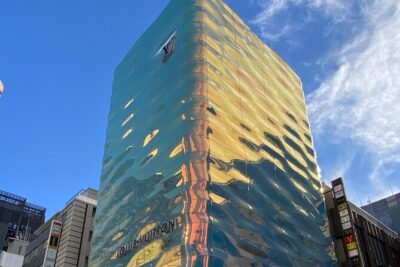 ★ 5.0Private Ginza Architecture Walking TourFrom $132
 ★ 4.5【SUMO FESTIVAL】Tokyo Ginza: Sumo Show & Photo ExperienceFrom $63
 ★ 4.8Tokyo GINZA: KONPARU Japanese Cabaret Show with DrinkFrom $502 hours