
Reviewed · TSUKIJI MARKET TOURS
Tsukiji: Unlimited Sake Tasting Experience
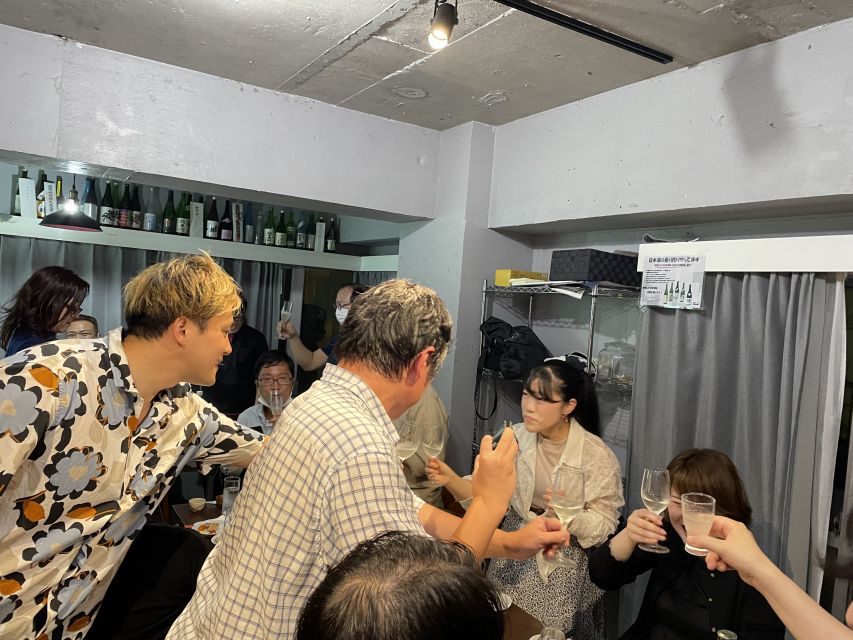
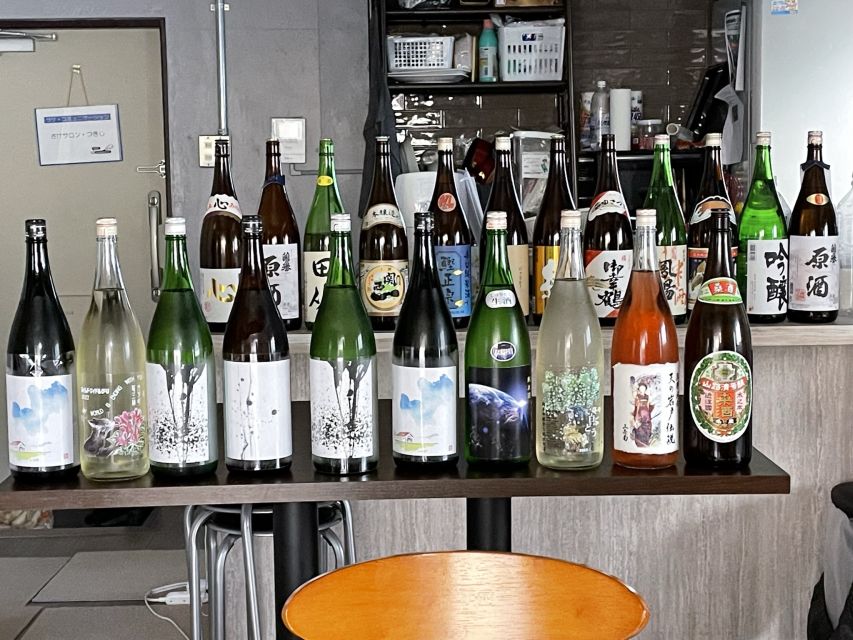
Tsukiji’s sake salon offers a rare chance to taste far beyond the familiar restaurant pour. In a small, friendly room, a sommelier guides you through sake from breweries across Japan, with as many as 50 to 60 bottles available and roughly 20 to 30 typically sampled during a session.
I like the personal teaching style, especially when hosts such as Mako, Yuki, Kyoko, and other Sake Lovers guides adjust the tasting to your experience. I also like the temperature comparisons and simple snacks, which help you notice how the same drink can change from cool to warm. The main consideration is that the booking information gives the duration as 90 minutes, while the description also mentions two hours, so confirm the exact session length when you reserve.
In This Review
- Key points to know before you book
- A private Tsukiji introduction to sake
- What happens during the 90-minute tasting
- Why the small group makes a difference
- The hosts make the lesson personal
- What you may taste and how to pace yourself
- Food pairing, not a full meal
- Is $54 a fair price?
- Who should book this experience?
- Finding the salon and planning your day
- My verdict on the Tsukiji sake salon
- FAQ
- How long does the sake tasting last?
- How many kinds of sake can I try?
- Is food included?
- Is the experience conducted in English?
- Where is the meeting point?
- Can children attend?
Key points to know before you book
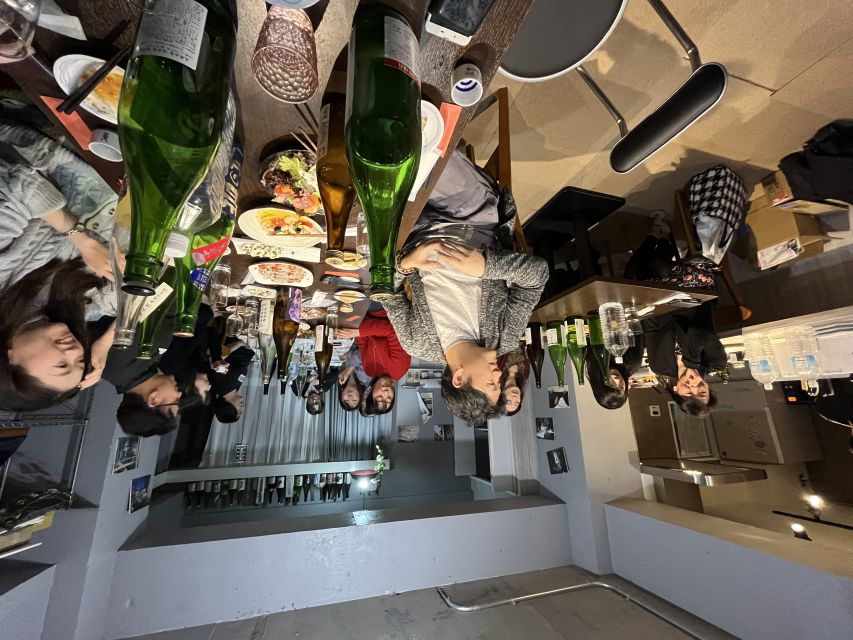
- Taste across Japan: The selection can include 50 to 60 different sakes, with most sessions sampling about 20 to 30.
- Small-group setting: Some sessions have only a few people, and occasional bookings have been private lessons.
- Learn by comparison: You taste sake at different temperatures and see how warmth changes its flavor.
- Snacks are included: Cheese, rice crackers, and other small bites help refresh your palate, but this is not a meal.
- English guidance: Your host or greeter speaks English and explains the breweries, brewing methods, and background of each bottle.
- Easy to pair with Tsukiji: The salon is in Tsukiji, making this a useful stop before or after exploring the district.
A private Tsukiji introduction to sake
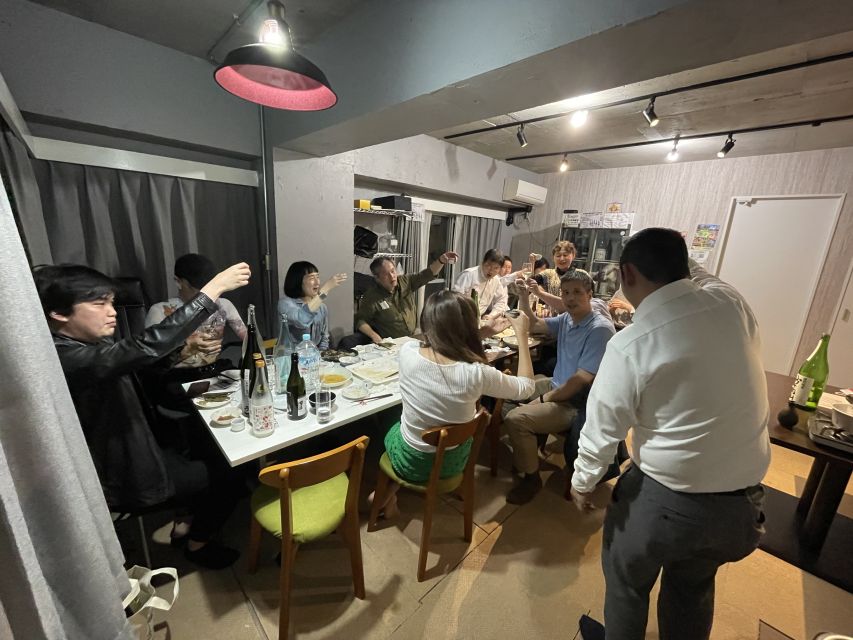
This is not a quick bar flight with three anonymous glasses. The point is discovery. Your sommelier introduces each bottle, explains where it comes from, and gives you a reason to pay attention before you taste it.
That approach matters because sake is not one single flavor. It can be gentle and sweet, crisp and dry, fruity, earthy, bitter, or full-bodied. If your previous experience was limited to a basic bottle at a restaurant or a supermarket, this session can reset your expectations.
The private salon is operated by Sake Lovers Inc, and the atmosphere is informal rather than formal or ceremonial. You are encouraged to ask questions. Hosts have adapted explanations for complete beginners, while more experienced drinkers can ask about breweries, production, and serving styles.
I would not book this expecting a tour of a working brewery. You stay in the salon, and the experience is centered on tasting and instruction. For many people, that is a benefit: you spend the full session comparing drinks rather than using time on transport.
A few more Tokyo tours and experiences worth a look



What happens during the 90-minute tasting
The exact order can vary, but the experience follows a clear tasting progression. You arrive at Sake Lovers Inc, enter the red brick building, take the elevator to the fourth floor, and look for the first door on the left, marked number 405.
Once seated, your host gives you a basic introduction to sake. You learn about the brewing process, the role of rice, and the way breweries produce different styles. The explanation is designed for people starting from zero, but it also gives experienced drinkers useful reminders about what they are tasting.
Then the bottles begin. The sommelier talks about the brewery and the story behind each sake before pouring it. This makes the tasting feel less like a race through a drinks list. You have a short moment to smell, taste, and compare before moving on.
Past sessions have included around 20 sakes, with some groups reaching 30. The salon may have 50 to 60 kinds available, but you should not assume you will drink every bottle in the room. The practical value is the range: you can move from light to bold, sweet to dry, and familiar styles to bottles you are unlikely to find on a standard restaurant menu.
The host also sets out water and small snacks. Cheese, rice crackers, and similar bites give you a break between pours and show how food affects the taste of sake. Since food is not included as a full meal, plan to eat before or after if you need lunch or dinner.
One of the most useful parts is the temperature comparison. Sake can be served chilled, at room temperature, or warm, and the change is not merely a matter of preference. Heat can bring out different aromas and soften or sharpen the impression of a drink. Tasting the beverage at different temperatures gives you a practical lesson you can use at restaurants later.
The listed duration is 90 minutes. The description also refers to two hours of unlimited tasting, while the experience details again identify 90 minutes. This discrepancy is worth checking at booking. In either case, the session is long enough for a serious introduction, but you should pace yourself rather than treating the word unlimited as a challenge.
Why the small group makes a difference
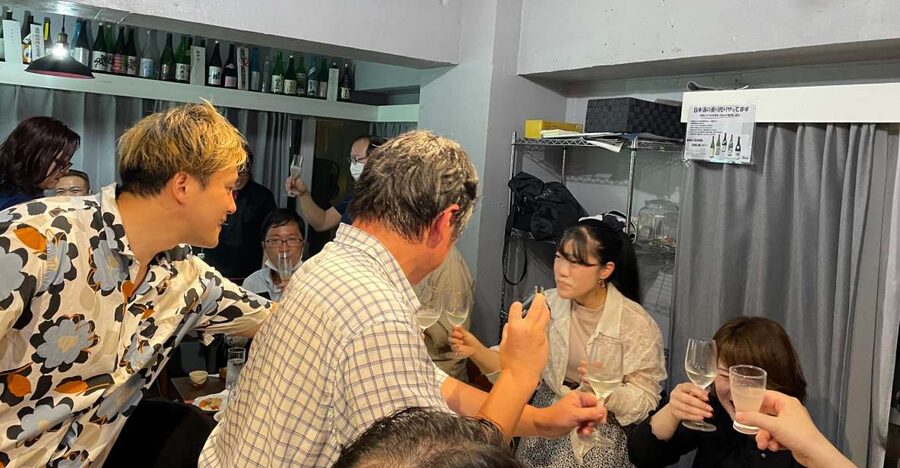
A small group changes the tone of this activity. You can ask questions without holding up a large crowd, and the sommelier can adjust the pace to the people in the room.
Several bookings have had only one, two, or three participants. In those cases, the session became close to a private lesson. That is a lucky outcome, not something you should assume, but the general format is already intimate.
The social side is part of the appeal. Small groups can include people from different countries, and the tasting gives you an easy subject to discuss. If you are traveling alone, this is one of the more natural ways to meet people without committing to a full evening tour.
The trade-off is that a small salon may feel too quiet if you are seeking a lively nightlife setting. This is a sit-down learning session, not a loud izakaya crawl. I would choose it for conversation and concentration, not for music or a party atmosphere.
The hosts make the lesson personal
The named guides connected with this experience include Mako, Yuki-san, and Kyoko. Each has been praised for a friendly manner and clear explanations, and the teaching style appears to be a major part of the experience.
Mako has led sessions for first-time drinkers and for people who already knew a little about sake. Yuki-san has hosted private sessions with a warm, gracious approach. Kyoko has been described as taking the group through a progressive tasting, helping the drinks make sense as a sequence rather than a random collection.
That progression is important. The best sake tasting is not simply the one with the most bottles. It is the one that teaches you how to notice differences. A good host gives you language for what you are tasting, explains why a bottle may seem sweet or dry, and helps you remember what you liked.
The English guidance is also practical. You do not need to know Japanese brewing terms before arriving, and you can ask basic questions without feeling out of place. If you already know sake, you can use the time to ask about unusual breweries and less familiar styles.
What you may taste and how to pace yourself
The available bottles come from many breweries around Japan. The exact lineup can change, so you should think in terms of variety rather than a promised list of brands.
Some sakes may taste sweet and soft. Others may seem dry, bitter, clean, or powerful. One useful lesson is that price, appearance, and familiarity do not always tell you what you will enjoy. A bottle with a polished label may not be your favorite, while a style you have never heard of may become the one you remember.
You may taste about 20 bottles in a standard session, and some past tastings have reached 30. That is a substantial amount of alcohol, even if each pour is small. Drink water regularly, use the snacks, and slow down when you find a style you especially like.
I would avoid planning a demanding activity immediately afterward. The salon offers unlimited tasting, but unlimited does not mean you need to sample every possible option. The smart goal is to leave knowing three or four styles you enjoy, not to prove that you can reach the end of the selection.
If you want to buy a bottle afterward, ask the host where to look. The tasting room may not stock every bottle you sample. Some people have been able to purchase favorites, while other desired bottles were not available there. Take a photo of labels you like and write down the brewery name before leaving.



Food pairing, not a full meal
Small snacks are included to support the tasting. Cheese and rice crackers provide salt, texture, and a little substance between drinks. They also let you notice how a food changes the finish of a sake.
This is one of the better features for beginners. Food can make a sharp drink seem softer, or bring out a new side of a sake that tasted plain by itself. You do not need to understand formal pairing rules to benefit from the experiment.
Still, do not arrive expecting a tasting menu. Food is listed as not included, even though snacks are available during the session. If you are hungry, eat beforehand or arrange a proper meal in Tsukiji afterward.
The setting works well with a day in the district. You can explore Tsukiji separately, then use the salon as a focused indoor activity. Or schedule the sake tasting after an early meal and continue your evening at a sensible pace.
Is $54 a fair price?
At $54 per person, this is not a cheap drink stop. It is also not simply paying for alcohol. The price covers access to a private salon, English instruction, a broad selection of sake, snacks, and the chance to taste bottles from breweries around Japan.
The value is strongest if you are curious but inexperienced. A restaurant might let you order one or two sakes, but it is harder to compare 20 styles side by side or ask why they taste different. This experience gives you a working vocabulary for ordering sake during the rest of your trip.
It can also be good value for serious sake fans. The selection may include rare or unfamiliar kinds, and returning participants have found new bottles on later visits. If you already know exactly what you like and only want a single drink, however, $54 is more than you need to spend.
Group size affects the value in a positive way. A session with only two or three people can feel like a private class, while a larger group may offer more social energy. The format is built around interaction, so a crowded room could make it harder to ask questions, but the available information suggests that intimate sessions are common.
The free cancellation policy also lowers the booking risk. You can cancel up to 24 hours in advance for a full refund, and the reserve-now, pay-later option lets you hold a place without paying immediately.
Who should book this experience?
I would recommend it to anyone who wants to understand sake rather than simply consume it. It suits first-time drinkers especially well because the host starts with the basics and lets you learn through comparison.
It is also a good choice for couples, parents traveling with adult children, and solo visitors who enjoy small-group activities. A few people have returned for a second session because the selection changes and there are new sakes to try.
You should choose something else if you need a full meal, a brewery visit, or a broad Tokyo sightseeing tour. This activity stays in one salon and focuses closely on tasting. It is not designed for people who want to avoid alcohol, and pregnant women should not book it.
The experience is family-friendly in a limited sense. Children may attend, but alcohol will not be served to them, and you must bring their own nonalcoholic drinks. Wheelchair users should also note that the activity is listed as unsuitable for them.
Finding the salon and planning your day
The meeting point is Sake Lovers Inc, written in Japanese as サケ・ラバーズ株式会社. Look for the red brick building, take the elevator to the fourth floor, and use the first door on the left, number 405.
Allow yourself enough time to find the building. The meeting instructions are precise, but this is not described as a street-level shop with a large public tasting room. Once inside, the elevator and door number should guide you to the right place.
Starting times vary, so check availability for your date. Since the stated duration is 90 minutes, you can fit it neatly around other Tsukiji plans. I would avoid scheduling it too close to a train departure or another timed attraction, especially because the listing also refers to a two-hour tasting period.
English is the stated language for the host or greeter. Bring a phone if you want to record bottle names for later shopping, and drink water throughout the tasting.
My verdict on the Tsukiji sake salon
I like this experience because it gives you something useful to take away: a better sense of what you enjoy and how to order it. The hosts make the lesson personal, the small groups encourage questions, and the range of bottles turns sake from a vague category into a set of clear styles.
The $54 price is fair for a guided session with many tastings, though less appealing if you are looking only for a drink or two. Confirm the duration before booking, eat a proper meal separately, and plan a calm rest of the day.
Book it if you want an intimate, English-language introduction to Japanese sake, especially if your previous experience has been limited. Skip it if you dislike alcohol, need wheelchair access, or want a full food tour rather than a tasting class.
FAQ
How long does the sake tasting last?
The activity details list a duration of 90 minutes. The description also refers to two hours of unlimited tasting, so confirm the exact session length when you check availability.
How many kinds of sake can I try?
The salon offers about 50 to 60 different kinds of sake for sampling. A typical session may include around 20 to 30 tastings, depending on the group and pace.
Is food included?
A full meal is not included. Small snacks such as cheese, rice crackers, and other items are available during the tasting to help pair with the sake.
Is the experience conducted in English?
Yes. The host or greeter language is English, and the sommelier explains the breweries, brewing process, and background of each sake in English.
Where is the meeting point?
Meet at Sake Lovers Inc, or サケ・ラバーズ株式会社. Enter the red brick building, take the elevator to the fourth floor, and use the first door on the left, number 405.
Can children attend?
The experience is family-friendly, but alcohol will not be served to children. If you bring children, you must provide their own nonalcoholic drinks.
More Tsukiji Market Tours in Tokyo
More tours in Tokyo we've reviewed




Tsukiji Market Tours, compared.
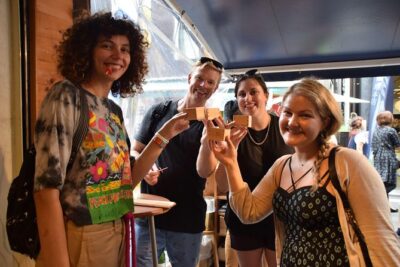 ★ 5.0Tokyo Tsukiji Fish Market Food and Culture Walking TourFrom $99
 ★ 5.0Tokyo: Tsukiji Fish Market Food and Walking tourFrom $30
 ★ 4.9Tokyo: Tsukiji Fish Market Guided Walking TourFrom $222 hours
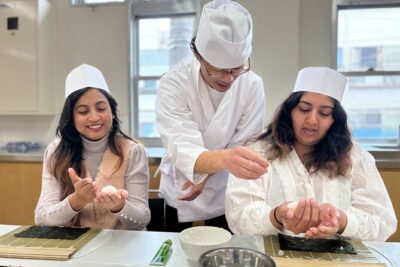 ★ 5.0Tokyo Sushi Making Class in Tsukiji with Professional ChefFrom $49
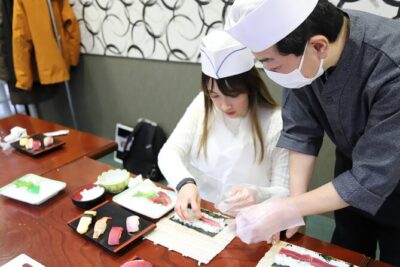 ★ 5.0Tsukiji Fish Market Guided Tour and Sushi Making with Pro ChefFrom $104
★ 4.7Tokyo: Tsukiji Fish Market Food and Culture Walking TourFrom $963 hours
★ 5.0Tsukiji Fish Market Guided Tour and Sushi Making with Pro ChefFrom $104
★ 4.7Tokyo: Tsukiji Fish Market Food and Culture Walking TourFrom $963 hours