
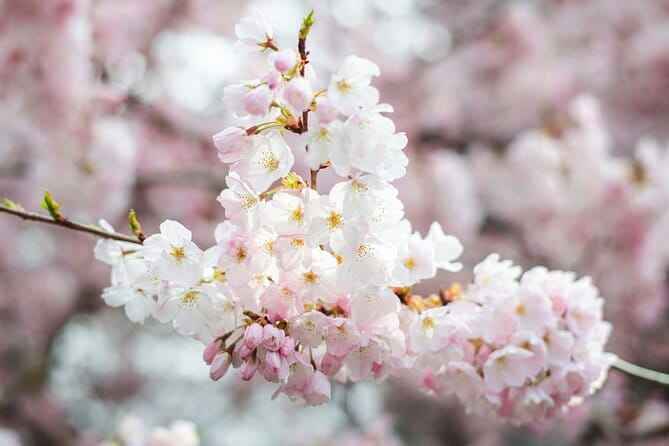
Reviewed · SHIBUYA TOURS
Tokyo Cherry Blossom Matcha Experience in Yoyogi Park (Shibuya)
The rare treat here is not simply drinking matcha in Tokyo. You make your own bowl beneath the cherry blossoms in Yoyogi Park, using traditional tools and Uji tea normally hard for visitors to find. It is a relaxed picnic, not a stiff tea ceremony.
I like the small group of up to six, which gives you room to ask questions and receive help with the whisk. I also like the mix of sakura, sweets, and hands-on culture in a single hour. The main drawback is timing: this seasonal activity runs for only about two weeks from around March 23, and poor weather can cancel it.
In This Review
- Key points to know before booking
- Why this Yoyogi Park matcha setting works
- Meeting at Harajuku Station
- Walking into Yoyogi Park for the picnic
- Learning to whisk authentic Uji matcha
- Wagashi sweets with the tea
- A relaxed alternative to a formal tea ceremony
- The photo appeal, with realistic expectations
- Is $100.80 a fair price?
- Who will enjoy this most
- Timing, weather, and cancellation details
- Should you book the Yoyogi Park matcha experience?
- FAQ
- How long does the Tokyo cherry blossom matcha experience last?
- Where does the activity begin?
- Where does the activity finish?
- Is the experience available all year?
- Do I need previous matcha experience?
- Is there a dress code?
- What is included in the price?
- What happens if bad weather cancels the activity?
Key points to know before booking
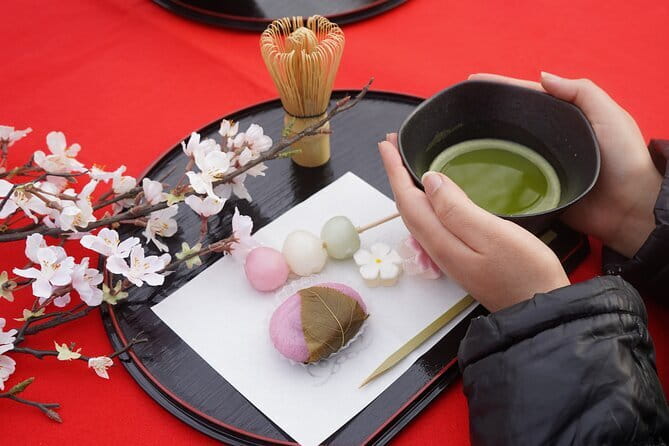
- Matcha beneath the sakura: You prepare and drink tea in Yoyogi Park during Tokyo’s short cherry blossom season.
- Traditional tools and Uji matcha: You learn the basic process instead of simply receiving a prepared cup.
- A picnic, not a formal ceremony: The mood is friendly and beginner-focused, with no special clothing or experience required.
- English-speaking local host: A certified Matcha Hospitality Adviser explains tea and Japanese hospitality in clear, accessible terms.
- Seasonal wagashi included: Traditional and modern Japanese sweets accompany several cups of matcha.
- Only one hour: The compact format fits neatly into a day around Harajuku, Shibuya, Omotesando, or Shinjuku.
Why this Yoyogi Park matcha setting works
Tokyo has plenty of tea houses, but this activity pairs matcha with one of the city’s most famous spring sights. Yoyogi Park gives the event a casual outdoor setting, while the nearby Harajuku, Shibuya, and Omotesando districts make it easy to add to a sightseeing day.
The cherry blossoms matter here. They are not a background detail added to a standard tea lesson. The activity is available only during the brief sakura period, when the park becomes one of Tokyo’s most sought-after places for spring scenery. That short window makes the event special, but it also means you need to plan around nature rather than a fixed year-round schedule.
You meet near Harajuku Station, then continue into Yoyogi Park. The advertised route also connects the area with Shibuya, Harajuku Station, and Omotesando. These are not separate sightseeing stops with guided tours at each location. Think of them as the surrounding Tokyo areas that frame the meeting point and the park setting.
I like this arrangement because you can place the activity beside other easy plans. Harajuku is close by, Omotesando offers shopping and architecture, and Shibuya is a short distance away. You do not need to dedicate half a day to reach an isolated tea venue.
A few more Tokyo tours and experiences worth a look



Meeting at Harajuku Station
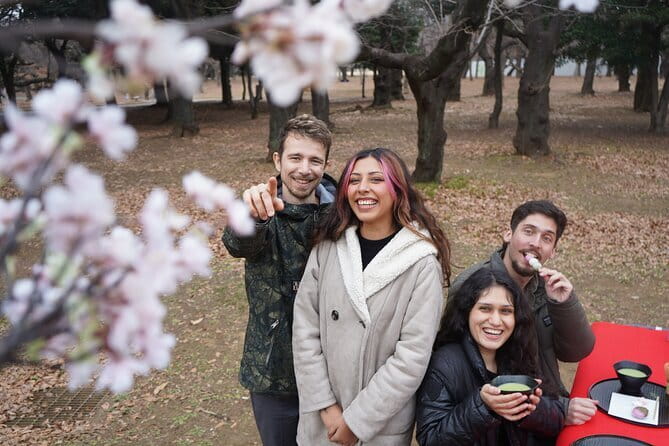
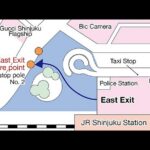
The start point is Harajuku Station at 1 Chome-18 Jingumae, Shibuya, Tokyo 150-0001. Harajuku is a practical meeting area, but Tokyo stations can be confusing, especially during spring when the area is busy.
Give yourself enough time to identify the meeting point before the start. The activity lasts about one hour, and a late arrival could take away a noticeable part of the lesson. Since the group is capped at six people, this is not the sort of outing where you can quietly slip in after the main instruction has begun.
The experience finishes back at the meeting point. That is useful if you want to continue through Harajuku or return toward Shibuya afterward. It also keeps the activity simple: no complicated transfer or separate end location to find.
Walking into Yoyogi Park for the picnic
The move from Harajuku Station to Yoyogi Park is part of the charm. You leave the station area and head toward one of central Tokyo’s best-known open spaces. The contrast is useful. Within a short outing, you shift from city streets to trees, grass, and spring flowers.
The exact blossom view depends on the year and the weather. Cherry trees do not follow a perfect calendar, so the advertised operating period begins around March 23 but can change with conditions. If your main goal is peak bloom, keep your wider schedule flexible.
This is also where expectations matter. Yoyogi Park is a popular public park, not a private garden reserved for the group. You may find other people enjoying the blossoms, taking pictures, or having their own picnics. The value comes from having a host, a prepared tea activity, and a cultural focus in that setting, not from expecting complete silence.
The outdoor format makes the experience feel more local and less ceremonial. You can enjoy the flowers without needing to know how to sit, bow, or handle a formal tea-room appointment. That makes it a good first contact with matcha culture.
Learning to whisk authentic Uji matcha
The main lesson is hands-on. You use a traditional whisk and other tea tools to prepare your own bowl of Uji matcha. This is a better introduction than simply tasting a cup because you see how the drink is made and take part in the process.
The certified Matcha Hospitality Adviser leads the session in English. The focus is not only on technique. You also learn about Japanese hospitality and the place of matcha within Japanese tea culture.
You should not expect a long, formal demonstration with strict rules. The activity is specifically designed for beginners. You do not need previous tea experience, and there is no dress code. The host can guide you through the basic steps and help make the process feel manageable.
I especially like the small group for this part. With no more than six people, you have a better chance to get help with the whisking motion, ask why the tea is prepared in a particular way, and follow the demonstration without standing at the back of a crowd.
You receive several cups of matcha during the session. That gives you time to get comfortable with the tools rather than treating the activity as one quick sample. The tea is described as rare Uji matcha, normally unavailable to visitors in this kind of casual setting.
Matcha has a strong, grassy taste that may surprise you if you usually drink sweetened tea. The included sweets help balance it, and the host can explain what you are tasting. The point is not to force you to become a matcha expert in an hour. It is to give you a clear, practical introduction you can remember when you see matcha elsewhere in Japan.
Wagashi sweets with the tea
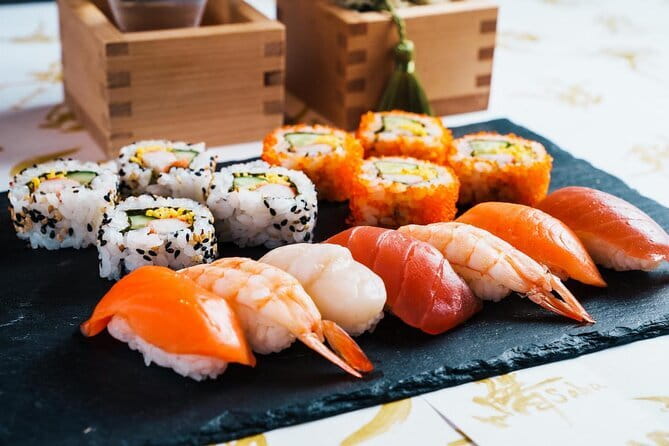
Traditional and modern Japanese sweets are included. These seasonal wagashi give the tea tasting a little structure and help connect the food with the time of year.
Wagashi can be delicate in flavor and appearance. In spring, the seasonal theme fits naturally with the cherry blossoms, so the sweets become part of the setting rather than a random snack. You also avoid needing to buy food during the activity.
The inclusion is useful for families and people new to matcha. A strong tea served alone can be an acquired taste. Having sweets alongside it makes the experience more approachable, while still keeping the focus on Japanese food culture.
Food and drinks purchased from local vendors are not included. If you want a more substantial meal, plan that before or after the session. The one-hour format is best viewed as a cultural tasting, not lunch.
A few more Tokyo tours and experiences worth a look


A relaxed alternative to a formal tea ceremony
This activity is a good choice if the idea of a formal tea ceremony sounds intimidating. You do not need special clothing, prior knowledge, or perfect manners. The host explains the customs in English and keeps the lesson friendly.
That relaxed format does not make the activity less meaningful. It simply changes the goal. A formal ceremony places more weight on established movements, architecture, utensils, and etiquette. This picnic focuses on participation, basic cultural context, and the pleasure of making tea outdoors.
The difference is important when comparing experiences in Tokyo. If you want a highly traditional ceremony in a dedicated tea room, this is not the right format. If you want to try matcha without committing to a longer or more formal performance, this is a practical choice.
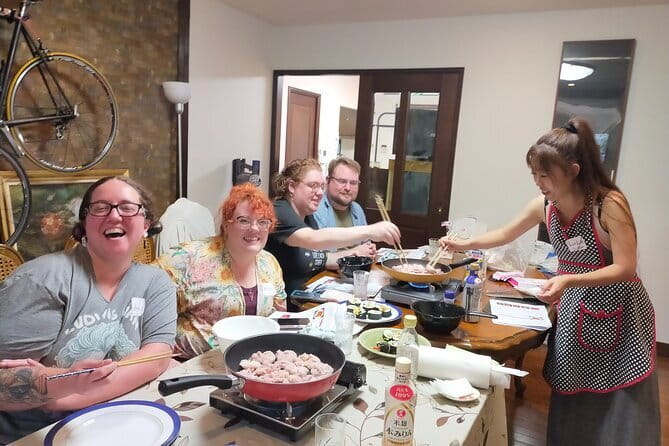
The host also welcomes questions beyond the tea itself. One memorable topic raised during the experience concerned Tokyo’s unusual lack of public trash cans. That detail gives you a sense of the conversational style: you can ask about everyday Japanese life, not only prescribed tea etiquette.
The photo appeal, with realistic expectations
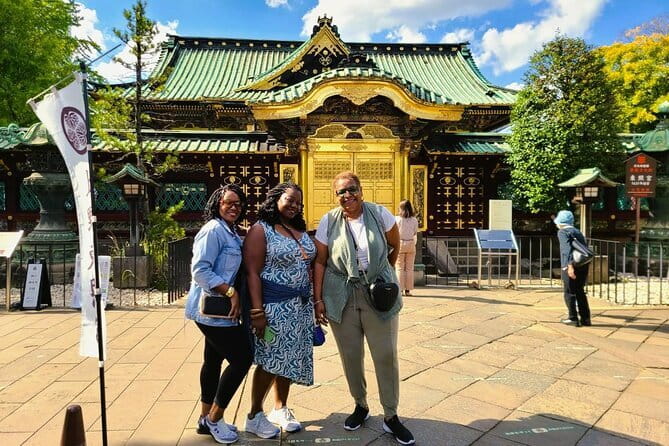
Cherry blossoms and a bowl of bright green matcha are naturally photogenic. The activity offers optional photo sessions, so you can arrange extra help capturing the moment if that matters to you.
I would treat the photos as a bonus rather than the whole reason to book. Yoyogi Park is a public space, and blossom timing, weather, light, and crowds affect the final pictures. You are not guaranteed a private flower-filled scene.
Still, the combination is strong. A traditional whisk, wagashi, green tea, and spring blossoms tell a clearer story of Tokyo than another generic city viewpoint. Couples and solo visitors may particularly appreciate the optional photo support, while families can focus on making the tea together.
Bring sensible clothing for an outdoor park. There is no dress code, but spring weather can change, and the activity requires you to be comfortable outside for about an hour. The weather policy matters here: if conditions are poor, the provider may offer another date or a full refund.
Is $100.80 a fair price?
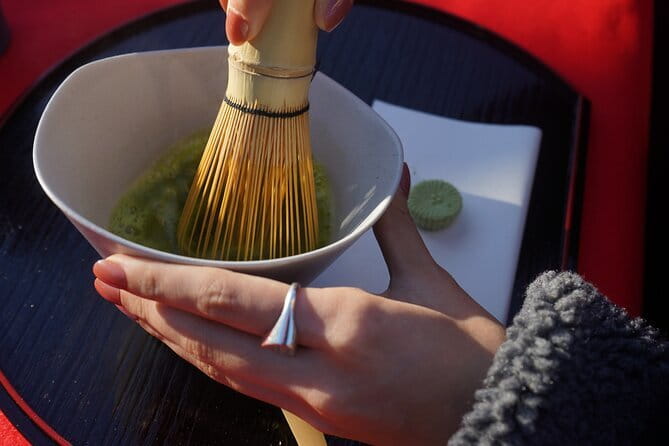
At $100.80 per person, this is not a bargain cup of tea. You are paying for a seasonal, small-group activity with a certified host, instruction, traditional equipment, several cups of matcha, wagashi, and the park setting.
The price makes more sense if you value guided access and a special occasion. You are not simply buying refreshments. You are paying for someone to organize the setting, explain the cultural details, supply the tools and tea, and help you take part.
The one-hour length keeps the commitment low, but it also limits the amount of material covered. If you want a long cultural workshop, the cost may feel high for the duration. If you want a compact activity that fits between Harajuku and Shibuya plans, the short format is a strength.
The small group is another part of the value. A larger public demonstration might cost less, but it would not offer the same chance to ask questions or receive hands-on guidance. With a maximum of six people, the activity feels closer to a personal introduction than a stage presentation.
Who will enjoy this most
I would recommend this experience to:
- First-time visitors who want an easy introduction to Japanese tea culture
- Couples looking for a seasonal Tokyo activity with photo opportunities
- Solo visitors who prefer a small group and an English-speaking host
- Families whose children are old enough to follow a short hands-on lesson
- Anyone already planning time around Harajuku, Shibuya, or Omotesando
- People who want cherry blossoms without booking a formal tea ceremony
It may not suit you if you dislike outdoor activities, need a guaranteed peak-bloom view, or want a full meal. It is also not the best pick for someone seeking a highly formal tea ceremony with strict traditional procedure.
The group size, short duration, and beginner-friendly approach make it less demanding than many cultural activities. You can fit it into a busy Tokyo itinerary without giving up a full morning or afternoon.
Timing, weather, and cancellation details
This experience operates only around the cherry blossom season, generally from about March 23 for roughly two weeks. The actual dates depend on blossom conditions, so check the available date carefully before arranging the rest of your day.
Confirmation is normally provided at booking. If you book within 12 hours of the activity, confirmation comes as soon as possible and depends on availability. The activity is near public transportation, and service animals are allowed.
You can cancel free of charge up to 24 hours before the local start time for a full refund. Changes or cancellations made inside that 24-hour window are not accepted or refunded. Since the activity depends on good weather, a provider cancellation gives you the choice of another date or a full refund.
Should you book the Yoyogi Park matcha experience?
Book it if you want a short, personal spring activity that combines matcha, wagashi, and Tokyo’s cherry blossoms without the formality of a tea ceremony. The certified English-speaking host, traditional tools, rare Uji tea, and six-person limit give the hour real substance.
Skip it if your schedule cannot bend around blossom conditions or if $100.80 feels too high for a one-hour outdoor lesson. Also skip it if you want a large meal or an elaborate ceremonial performance.
For the right visitor, the timing is the point. You meet near Harajuku, learn to whisk matcha beneath the sakura, and finish with the rest of central Tokyo close at hand. That is a tidy, memorable way to begin a Japan trip.
FAQ
How long does the Tokyo cherry blossom matcha experience last?
The activity lasts approximately one hour.
Where does the activity begin?
The meeting point is Harajuku Station at 1 Chome-18 Jingumae, Shibuya, Tokyo 150-0001, Japan.
Where does the activity finish?
The experience ends back at the meeting point.
Is the experience available all year?
No. It is available only during cherry blossom season, generally from around March 23 for about two weeks, depending on blossom conditions.
Do I need previous matcha experience?
No. The activity is beginner-friendly, and no prior experience is required.
Is there a dress code?
No. You do not need special clothing for the experience.
What is included in the price?
The price includes several cups of matcha, matcha preparation with traditional tools, seasonal Japanese sweets, and cultural explanations in English.
What happens if bad weather cancels the activity?
You will be offered a different date or a full refund if the experience is canceled because of poor weather.
More Tea Ceremony & Matcha in Tokyo
More Shibuya Tours in Tokyo



More tours in Tokyo we've reviewed





Shibuya Tours, compared.
 ★ 5.0Official Street Go-Kart in ShibuyaFrom $76
 ★ 4.9Tokyo: Street Kart Experience in ShibuyaFrom $741 hour
 ★ 5.0Shibuya Meltdown Nightlife Tour: All-You-Can-Drink Bar HoppingFrom $106
 ★ 5.0Shibuya Official Street Go-Kart in Shibuya AnnexFrom $69
 ★ 5.0Tokyo: Shibuya Food Tour (13 dishes and 4 Eateries)From $77
 ★ 5.0Best of Shibuya Food TourFrom $217