
Reviewed · TOKYO
Sumi-e Experience in a relaxing green tea shop in Tokyo
Japanese ink painting is less about copying a picture than finding the right stroke. In this Tokyo green tea shop, you’ll learn how black ink and water can suggest bamboo, mountains, or another chosen theme with surprising economy. I like the hands-on format and the fact that your finished piece becomes a useful souvenir, not just a class exercise.
I also like the calm setting, the cup of tea, and the small group limit of eight. The English instruction makes the session approachable, and master Shigen has earned especially warm praise for making the class enjoyable. The main drawback is the one-hour time limit: you’ll get a satisfying introduction, but not a long art course, and ink can mark clothing.
In This Review
- Key points
- Why this one-hour sumi-e class works in Tokyo
- The opening 10 minutes: demonstration before brush meets paper
- Forty minutes of painting, with your choice of theme
- Tea, quiet surroundings, and the value of a slower hour
- The final 10 minutes: finishing touches and instructions
- Is $105 a fair price for one hour?
- What to wear and what to bring
- Who will get the most from this experience?
- Booking flexibility and timing
- Should you book the sumi-e experience?
- FAQ
- How long does the sumi-e experience last?
- What can I paint during the class?
- What finished items can I choose?
- Is tea included?
- Is the class taught in English?
- What should I wear?
- Can I cancel for a full refund?
Key points
- Choose your own finished piece: Paint three washi coasters, a USB-lit 10-centimeter lamp shade, or a 75-by-32-centimeter hanging scroll.
- Learn by watching first: The opening 10-minute demonstration shows how sumi-e turns a few controlled strokes into an image.
- Enjoy tea while you work: Tea is included, adding a relaxed green tea shop setting to the art lesson.
- Get English instruction: The class is conducted in English, with master Shigen among the named instructors.
- Keep the group small: A maximum of eight participants gives you a better chance to receive individual guidance.
- Plan for ink stains: Wear clothes you do not mind getting dirty, since sumi ink can splatter or transfer.
Why this one-hour sumi-e class works in Tokyo
Many Tokyo activities ask you to watch, photograph, and move on. This one asks you to make something. That difference matters. You leave with an object carrying your own decisions, including the pressure of each brushstroke and the places where the ink spread more than expected.
Sumi-e, or Japanese ink wash painting, uses black ink in several shades created by adding water. The art looks spare, but the simplicity is demanding. A single line may suggest a bamboo stalk, while a soft gray wash can give shape to a mountain or distant form. The method is linked with Zen ideas of concentration, restraint, and accepting imperfection.
You do not need to arrive with drawing skill. The class is designed as a guided experience, not an examination. The instructor demonstrates the basic approach, helps you choose a theme, and then gives you time to try it yourself. You will probably find that the challenge is not filling the paper. It is knowing when to stop.
That makes this a good break from Tokyo’s noise and crowds. The hour is short enough to fit into a busy sightseeing day, yet long enough to produce a personal keepsake.
If you're still narrowing it down, here are other tours in Tokyo we've reviewed.


The opening 10 minutes: demonstration before brush meets paper
The session begins with the instructor’s introduction and a sumi-e demonstration. This first 10 minutes does important work. You see how to hold and control the brush, how water changes the strength of the ink, and how a few strokes can create a recognizable form.
The demonstration also helps set expectations. Sumi-e is not polished Western-style illustration. It is based on suggestion. You may draw a bamboo grove with a handful of lines rather than painstakingly filling every leaf. The finished image depends on spacing, rhythm, and the contrast between dark ink and pale paper.
English instruction is included, which removes a major worry for international visitors. You can follow the explanation and ask for help during the practical section. Master Shigen is specifically named among the instructors, and the available feedback gives his teaching a warm mention. That is useful if you want a class with a personal guide rather than a self-directed craft table.
Watch closely during this opening stage. The demonstration is brief, and it may contain the most useful technical advice of the hour. Pay attention to how much ink is loaded onto the brush, how pressure changes the line, and how the instructor allows blank paper to remain part of the picture.
Forty minutes of painting, with your choice of theme
The main part of the class lasts 40 minutes. You choose one painting theme, then work on the selected item. The supplied information does not list every theme, so you should confirm the available choices when booking or at the start of the class. The examples include bamboo and mountain scenes.
This choice gives the activity a personal angle. You are not simply reproducing one fixed model alongside everyone else. Your subject can guide the mood and shape of the work, even within a short session.
The three product options make the experience more flexible:
- The three coasters course uses round washi-paper coasters measuring 9 centimeters in diameter. This is the most manageable choice if you want several small surfaces or prefer a shorter, less intimidating project.
- The lamp shade course uses a 10-centimeter square shade that lights through a USB connection. It turns your artwork into a small functional object, though the finished item needs access to USB power when you use it.
- The hanging scroll course uses a traditional kakejiku made from washi paper, measuring 75 by 32 centimeters. This gives you the largest working area and the most formal Japanese presentation, but it may demand more confidence with composition.
I would think about the final use before choosing. Coasters are easy to pack and share. The lamp shade offers a practical display piece. The hanging scroll makes the strongest visual statement, but its larger format may feel demanding if you have never handled a brush in this style.
The instructor remains central during these 40 minutes. You are given time to paint, but this is not an unattended activity. Use the guidance. Ask how much water to add, where to place your main form, or how to avoid making the ink too heavy. Sumi-e rewards a light touch, and a small correction can be harder than a careful first stroke.
The class size helps here. With no more than eight participants, the instructor has a reasonable chance to look at each person’s work. It is still a group class, so do not expect a private lesson lasting an hour, but the limit should feel more personal than a large workshop.
Tea, quiet surroundings, and the value of a slower hour
Tea is included in the price. It is not a separate tasting program, and the information does not promise a formal tea ceremony. Think of it as a drink enjoyed during a relaxed art session in a green tea shop.
That setting suits sumi-e. You can take a pause between strokes, look at the developing image, and let the ink dry before adding another layer. The tea also gives a companion who is less interested in art something pleasant to enjoy while taking part.
I value this kind of activity because it changes your pace. Tokyo is full of fast trains, bright signs, packed shopping streets, and tightly timed attractions. A quiet brush exercise offers a different view of the city, even though you remain indoors. You are not only buying a souvenir. You are spending an hour making one.
The setting may also make the class a good choice for couples, friends, and families with older children. Every participant can choose a theme and take a separate item home. Children under five are not permitted, so families should plan accordingly.
The final 10 minutes: finishing touches and instructions
The last 10 minutes are set aside for output and instructor guidance. This is when you receive help with the final presentation and learn what to do with the work after painting.
Do not rush the closing stage. The work may need time to settle, and the way it is handled affects the final result. Listen carefully to the instructor’s directions about finishing, drying, or taking the piece home. The available information does not specify packaging or drying arrangements, so you should ask directly if your work still feels wet when the class ends.
The finished item is yours to keep. That is one of the strongest reasons to choose this experience over a standard demonstration. A purchased print can be attractive, but your own brush marks make these coasters, lamp shade, or hanging scroll one of a kind.
There is also a useful bit of honesty here: the souvenir may show your mistakes. That is part of the character of sumi-e. A slightly uneven line is not automatically a failure. The art values movement and the expressive quality of the mark. Still, if you want a flawless decorative piece, this class may feel less predictable than buying finished Japanese art.




Is $105 a fair price for one hour?
At $105 per person, this is not a cheap drop-in craft activity. The cost covers the painting class, equipment, tea, and the item you create. Your choice of product also affects how much material and display value you take home, especially with the lamp shade or large hanging scroll.
The price makes more sense if you value instruction and a personal souvenir. You are paying for an English-speaking teacher, a guided demonstration, the use of traditional materials, and a small group capped at eight. You also avoid having to buy brushes, ink, paper, and supplies for a single attempt.
The value is weaker if you only want a quick introduction to Japanese art or a low-cost souvenir. One hour gives you a taste, not mastery. You will learn the basics and produce a finished object, but you will not receive an extended study of brush technique or Japanese painting theory.
I would compare the options before booking. The three coasters offer several small pieces, while the lamp shade gives you something functional. The kakejiku uses a much larger sheet and may feel like the most special choice for someone interested in traditional presentation. Since the price is per person, make sure each member of your party understands that the activity is an active painting class, not simply a tea break.
What to wear and what to bring
Wear clothing you do not mind getting inked. This is the most important practical warning. Sumi ink is part of the activity, and even a careful painter can brush a sleeve or pick up a mark while working.
You do not need to bring painting equipment. Brushes and other supplies are included. Tea is included as well. Transportation is not included, so you must make your own way to the meeting point at the 4F Building.
The provided details do not give a full street address or nearby station. Check the exact meeting instructions carefully before setting out. Tokyo has many multi-floor buildings and similar-sounding locations, so allow enough time to find the correct entrance and reach the fourth floor.
You should also be prepared to provide your date of birth when booking. This is an unusual request for a short art class, so have the information ready to avoid a delay in the reservation process.
Who will get the most from this experience?
I would recommend this class to you if you want a creative Tokyo activity with a clear finished result. It suits first-time visitors looking for a quieter hour, couples who want matching or contrasting souvenirs, and solo visitors who enjoy learning through practice.
It is also a smart choice for anyone who values handmade objects over mass-produced gifts. Your work may not look like a master’s painting, but it will carry your own choices. That gives it a story you can remember long after the trip.
The small group and English instruction help if you feel uncertain about joining an art class abroad. You will not need to decode a demonstration or work entirely alone. The high ratings and the specific praise for the teachers, including master Shigen, support the idea that the instruction is a major part of the experience.
I would hesitate if you dislike getting messy, have no interest in making art, or want a longer lesson with advanced technique. The one-hour format is friendly and accessible, but it cannot cover everything. You may leave wanting more practice, especially if your first brushstrokes go well.
Wheelchair access is listed, which makes the activity more practical for many visitors. The information does not describe the exact layout of the building or restroom access, so contact the provider if you need details beyond general wheelchair accessibility.
Booking flexibility and timing
The session lasts one hour, with starting times based on availability. That makes it easy to place between other Tokyo plans, but you should protect the full hour rather than scheduling a train or attraction immediately afterward. Finding a fourth-floor meeting point and completing the final instructions takes attention.
You can reserve now and pay later, which helps if your schedule is still changing. Free cancellation is available up to 24 hours in advance, with a full charge for cancellation on the day. Treat that cutoff seriously, especially if your Tokyo plans depend on weather, jet lag, or a changing itinerary.
Because the group is limited to eight, popular time slots may not be as flexible as a large attraction. If the class is important to your schedule, book once you know your day rather than leaving it until the last moment.
Should you book the sumi-e experience?
Book it if you want to slow down, learn a traditional Japanese art form, and carry home something you made yourself. The tea, English-speaking instruction, small group, and choice of three finished formats give the hour more substance than a quick souvenir workshop.
Choose the coasters for an approachable first attempt, the USB lamp shade for a useful display object, or the kakejiku for a more traditional presentation. Wear old clothes, arrive ready to make imperfect marks, and listen closely during the opening demonstration.
Skip it if $105 feels high for a one-hour activity or if you want a polished artwork made by a professional. For the right visitor, though, the value is in the process and the personal result. Your final piece will not be found anywhere else, and that is exactly the point.
FAQ
How long does the sumi-e experience last?
The experience lasts one hour. It includes a 10-minute instructor introduction and demonstration, 40 minutes of painting, and 10 minutes for finishing guidance and instructions.
What can I paint during the class?
You choose one painting theme. Examples include bamboo and mountain scenes, but the complete range of available themes is not specified.
What finished items can I choose?
You can choose three 9-centimeter round washi-paper coasters, a 10-centimeter square USB-lit lamp shade, or a 75-by-32-centimeter traditional kakejiku hanging scroll made from washi paper.
Is tea included?
Yes. Tea is included with the painting class and equipment.
Is the class taught in English?
Yes. English instruction is available, and master Shigen is one of the named instructors.
What should I wear?
Wear clothes you do not mind getting dirty or marked with ink. Painting equipment is included, so you do not need to bring your own supplies.
Can I cancel for a full refund?
Yes, you can cancel up to 24 hours in advance for a full refund. Cancellation on the day is charged at the full cancellation fee.
More tours in Tokyo we've reviewed



Tokyo, compared.
 ★ 5.0Mt Fuji and Hakone 1-Day Bus Tour Return by Bullet TrainFrom $163
 ★ 5.01-Day Tokyo Bus TourFrom $129
 ★ 4.6Tokyo: teamLab Planets TOKYO Digital Art Museum Entry TicketFrom $251 day
 ★ 4.0Mt Fuji & Hakone Cruise, Drum Show Bullet Train 1 Day from TokyoFrom $149
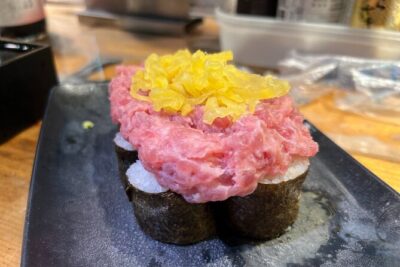 ★ 5.0Tokyo: Shinjuku Food Tour (13 Dishes at 4 Local Eateries)From $86
 ★ 4.4Tokyo Mt Fuji 5th St & Hakone Cruise Bus Tour w/Bullet TrainFrom $15410 hours