
Reviewed · SHIBUYA TOURS
:Tokyo,Shibuya /Meiji Shrine tour in KIMONO/English-friendly
The memorable part here is simple: you walk through Meiji Shrine in a kimono, with an English-speaking guide explaining the customs around you. The shop sits close to both Meiji Shrine and Takeshita Street, so you spend less time finding the meeting point and more time enjoying Harajuku.
I like the free choice of kimono, yukata, bags, slippers, and accessories, plus the personal photo help from the guide. I also like the small-group limit of 10, which should make questions and pictures easier. The main drawback is that hair styling costs an extra ¥2,000, and the apartment-building meeting point can be easy to miss.
In This Review
- Key points
- Why Meiji Shrine Works So Well in a Kimono
- Finding Harajuku Kimono SHIBUI
- Choosing a Kimono or Yukata
- The One-Hour Walk Through Meiji Shrine
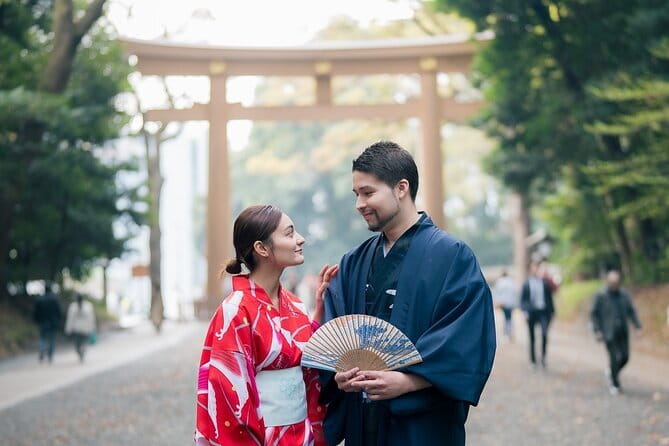
- 1. Torii gates
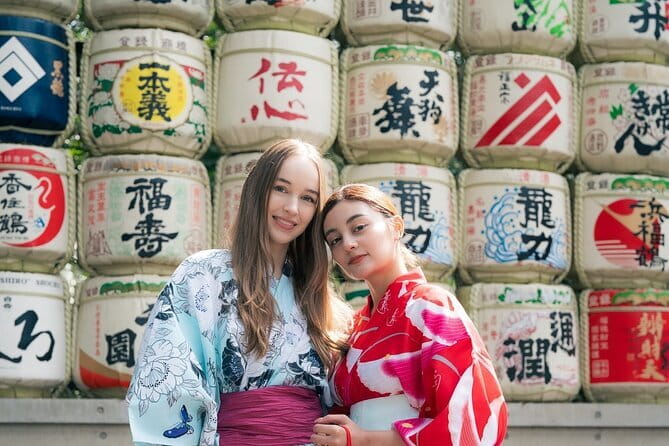
- 2. Sake barrels
- 3. Wine barrels
- 4. Meiji Shrine forest
- 5. Main shrine
- 6. Shinto prayer hall
- Photos, Free Time, and Returning to the Shop
- What the $137 Price Means
- Who Will Get the Most From This Experience
- Practical Details Before You Book
- Should You Book the SHIBUI Kimono and Meiji Shrine Tour?
- FAQ
- Where does the tour meet?
- How far is the shop from Meiji Shrine?
- How far is the shop from Takeshita Street?
- Is the tour conducted in English?
- How long does the experience last?
- How many people can join the group?
- Is kimono rental included?
- Are accessories included?
- Does the tour include hair styling?
- Are the Meiji Jingu Museum and Inner Garden included?
Key points
- Choose your own outfit: Pick from kimono and yukata in many colors and styles, with matching accessories included.
- Walk to Meiji Shrine: The shop is about five minutes from the shrine and close to Takeshita Street.
- Learn six key sights: The route covers torii gates, sake barrels, wine barrels, the forest, the main shrine, and the prayer hall.
- Get help with photos: Your guide can take pictures and can also record video during the visit.
- Plan for free time: After roughly 50 or 60 minutes of guiding, you have about 1.5 hours to explore before returning to change clothes.
- Know the extras: Hair styling costs ¥2,000, and admission to the Meiji Jingu Museum and Inner Garden is not included.
Why Meiji Shrine Works So Well in a Kimono
Meiji Shrine gives you a setting where traditional clothing feels natural rather than staged. The broad torii gates, forest paths, sake barrels, and shrine buildings create a clear connection between the clothes you wear and the customs you are learning about.
This is not only a costume rental followed by free wandering. The guided portion explains how the shrine is used and points out details you could easily walk past on your own. That matters at Meiji Jingu, where the grounds are large and the meaning of its features is not always obvious to first-time visitors.
The experience lasts three hours, but only part of that time is a formal guided walk. Expect about 50 to 60 minutes with the guide, followed by free time at the shrine. You then meet again around 1.5 hours later and return to the SHIBUI shop to change.
That arrangement gives you room for your own pictures and quiet exploration. It also means you should watch the time. If you wander too far or become absorbed in the shrine grounds, you will need to be back for the agreed meeting.
A few more Tokyo tours and experiences worth a look



Finding Harajuku Kimono SHIBUI
The meeting point is listed as Jingumae Room 413, Harajuku Cope Annex. The shop is on the fourth floor of an apartment building, an important detail if you are expecting a street-level boutique.
I would allow a few extra minutes to find the building and take the lift or stairs to Room 413. One visitor specifically found the apartment setting worth noting, so do not assume the shop will be obvious from the pavement.
The location is one of the strongest practical features. It is about a five-minute walk from Meiji Shrine and only a couple of minutes from Takeshita Street. You can combine the outing with Harajuku sightseeing without arranging extra transport between the kimono shop and shrine.
Choosing a Kimono or Yukata
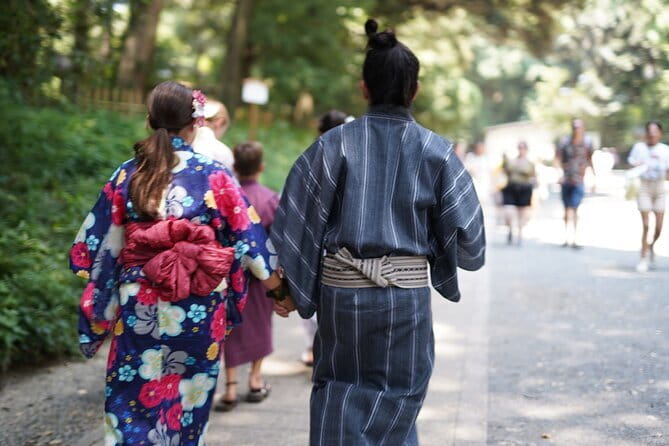
At the shop, you choose your clothing from a varied collection. Kimono are formal traditional garments, while yukata are more casual. The selection is available for all ages, with different colors and styles to consider.
You can also choose slippers, a bag, and accessories at no additional charge. That makes the outfit feel more complete and keeps the price easier to understand. You are not paying separately for each small finishing item.
I like this part because it gives you some control over the look. If you are taking photos with family or friends, you can coordinate colors or choose different styles. If you are visiting alone, you can focus on what suits you rather than accepting a fixed outfit.
Hair styling is optional and costs ¥2,000, paid at the shop. The base experience does not include it, so include that cost if a polished hairstyle is important to you.
The information provided does not specify exact sizes, fabrics, or the number of garments available on a particular day. If you have special clothing needs, it is sensible to ask SHIBUI before booking rather than assume every option will be available.
The One-Hour Walk Through Meiji Shrine
The guided route covers six recommended areas. Each one gives you a different way to understand the shrine.
1. Torii gates
The torii gates mark the transition from ordinary city streets into the shrine grounds. Starting here helps you notice the change in atmosphere and gives the guide a natural place to explain basic shrine etiquette and the role of the entrance gates.
They are also a practical first photo stop. The scale of the gates and your kimono make for strong pictures, especially if the guide helps position you and your group.
A few more Tokyo tours and experiences worth a look

2. Sake barrels
The rows of sake barrels are among the most recognizable sights at Meiji Shrine. They show the connection between the shrine and sake offerings, but the labels and arrangement can be difficult to understand without context.
Your guide explains what you are looking at instead of leaving you to guess. This is a short stop, but it helps turn a familiar picture into a cultural detail with meaning.
3. Wine barrels
The wine barrels offer a surprising contrast to the sake barrels. Their presence reflects an aspect of Meiji-era international influence and gives the guide another way to discuss the shrine’s background.
You may find this stop especially useful if you assume everything at a Shinto shrine will be tied only to older Japanese customs. It adds a little context to the period connected with Meiji Shrine.
4. Meiji Shrine forest
The forest covers much of the approach and shrine grounds. It gives the walk a calmer setting than the streets outside, although the shrine is close to some of Tokyo’s busiest shopping areas.
The guide points out seasonal highlights during the visit. Since the appearance of the grounds changes through the year, the experience will not look exactly the same on every date.
5. Main shrine
The main shrine is the central sight on the route and the place where the meaning of the visit comes together. Here, the guide can explain the shrine’s role and help you understand the respectful behavior expected at a Shinto site.
This is also a good point to slow down. A guided visit is useful here because ritual steps can feel unfamiliar, and small differences from ordinary sightseeing are easier to understand when someone explains them in clear English.
6. Shinto prayer hall
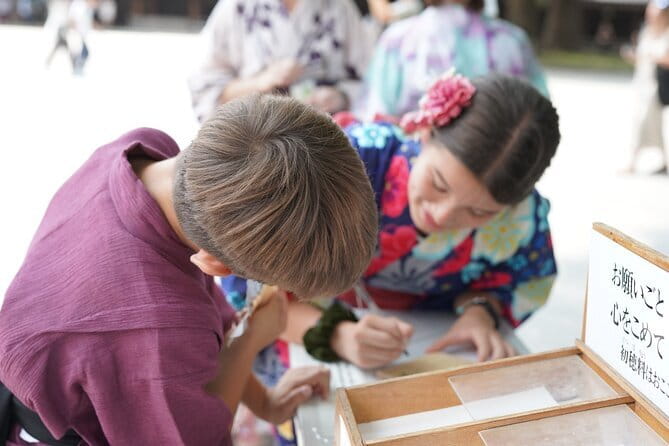
The prayer hall provides another chance to learn about Shinto practice. Rather than only photographing the building, you get an explanation of how people approach worship and why the space matters.
The supplied details do not promise a hands-on ritual session, so you should think of this as an educational walk through the shrine rather than a formal religious ceremony.
Photos, Free Time, and Returning to the Shop
Photo help is built into the experience. Your guide can take pictures of you alone, with friends, or with family, and video is also possible.
That is a real benefit for solo visitors. You do not have to rely only on a timer or ask a stranger to frame every photograph. Families and couples also get a better chance of appearing together in the pictures.
The guide is not presented as a professional photographer, so keep your expectations practical. You are receiving helpful photo assistance as part of the tour, not a separate studio session.
After the guided presentation, you have free time at Meiji Shrine. The Meiji Jingu Museum and Inner Garden are optional, but their admission fees are not included. You can decide during that open period if you want to add either one.
The timing is generous enough to explore beyond the six main stops, but you must return to the meeting point at the agreed time. The group then goes back to SHIBUI so you can change out of the kimono or yukata.
What the $137 Price Means

The listed price is $137 per group up to one person. That wording indicates a solo booking price, but you should confirm the final cost for your party before paying, especially if you are booking for more than one person.
The value depends on how many parts of the experience you would otherwise arrange separately. The package includes the kimono or yukata rental, matching slippers, bag and accessories, an English-speaking guide, the shrine walk, photo help, and time to change afterward.
A stand-alone kimono rental might suit you better if you only want pictures and do not care about shrine customs. On the other hand, this tour makes more sense if you want an explanation of Meiji Shrine and prefer not to work out the route alone.
The price does not include food or drinks, hair styling, or admission to the museum and Inner Garden. Those exclusions are easy to plan for, but they should be part of your budget.
The highest value comes from the location and combination of services. You get dressed close to two major Harajuku sights, learn the basics of the shrine, and receive help capturing the visit. If you are already planning to see Meiji Shrine, the short walk from the shop makes this more efficient than arranging a kimono rental in another part of Tokyo.
Who Will Get the Most From This Experience
I would recommend this outing to first-time Tokyo visitors who want a cultural activity without giving up time in Harajuku. The route is short enough to fit into a busy day, and the nearby position makes it easy to continue toward Takeshita Street afterward.
It also suits solo visitors. The guide can take your pictures, and the small group limit gives you a better chance to ask questions without competing with a large crowd.
Families may appreciate the clothing choices for all ages and the chance to create group photos. Friends can choose different colors and styles, then explore the shrine together.
You should think twice if you dislike wearing traditional clothing, have mobility or sizing needs that have not been confirmed, or want a long, highly detailed shrine lecture. The guided section is about one hour within a three-hour booking, and the rest includes changing and free time.
The tour is conducted in English, with a Japanese guide or guides who speak English. No guide names are provided, so you should not book expecting a particular named host.
Practical Details Before You Book
The group is limited to 10 participants. That is small enough to keep the walk manageable and should make photo assistance more practical than it would be with a large crowd.
The total duration is three hours, with starting times based on availability. Check the time carefully against your other plans, especially if you want to visit Takeshita Street or the optional museum and garden afterward.
Food and drinks are not included. Meiji Shrine itself is the focus, so plan any meal or café stop separately.
You can cancel up to 24 hours in advance for a full refund. The reserve-now, pay-later option also lets you hold a place without paying immediately, which is useful when your Tokyo schedule is still changing.
Should You Book the SHIBUI Kimono and Meiji Shrine Tour?
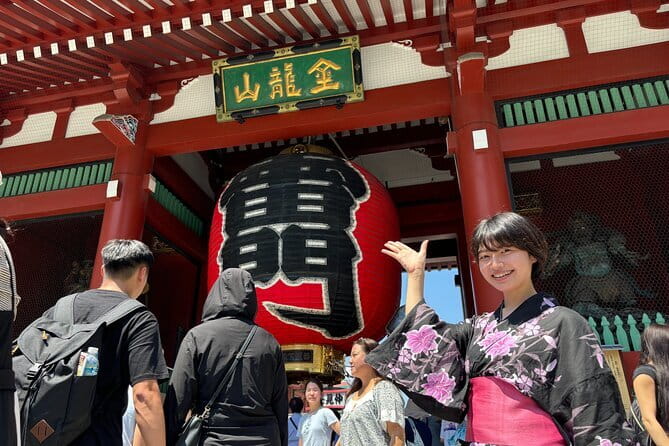
Book it if you want more than a kimono photograph. The useful combination here is easy access to Meiji Shrine, a free choice of traditional clothing, an English-speaking guide, and help with pictures.
I especially like it for solo visitors, couples, and families who want a clear introduction to Shinto customs without committing half a day to a formal cultural program. The good selection of kimonos and the nearby shrine were praised by Jessica, who also pointed out the fourth-floor apartment location as a tip worth remembering.
Skip it if your priority is a simple rental with no guide, or if the extra hair-styling fee and optional admission costs will make the outing feel too expensive. For everyone else, this is a practical way to connect Harajuku sightseeing with one of Tokyo’s most important shrine visits.
FAQ
Where does the tour meet?
The meeting point is Jingumae Room 413, Harajuku Cope Annex. The room is on the fourth floor of an apartment building.
How far is the shop from Meiji Shrine?
The shop is about a five-minute walk from Meiji Shrine.
How far is the shop from Takeshita Street?
The shop is about a two-minute walk from Takeshita Street in Harajuku.
Is the tour conducted in English?
Yes. The tour includes an English-speaking live guide.
How long does the experience last?
The full experience lasts three hours.
How many people can join the group?
The group is limited to 10 participants.
Is kimono rental included?
Yes. Kimono and yukata rental is included in the tour package.
Are accessories included?
Yes. You can choose suitable slippers, bags, and accessories without an additional charge.
Does the tour include hair styling?
No. Hair styling is optional and costs ¥2,000, paid at the shop.
Are the Meiji Jingu Museum and Inner Garden included?
No. Both are optional, and their admission fees are not included.
More Temples & Meditation in Tokyo
More Shibuya Tours in Tokyo



More tours in Tokyo we've reviewed




Shibuya Tours, compared.
 ★ 5.0Official Street Go-Kart in ShibuyaFrom $76
 ★ 4.9Tokyo: Street Kart Experience in ShibuyaFrom $741 hour
 ★ 5.0Shibuya Meltdown Nightlife Tour: All-You-Can-Drink Bar HoppingFrom $106
 ★ 5.0Shibuya Official Street Go-Kart in Shibuya AnnexFrom $69
 ★ 5.0Tokyo: Shibuya Food Tour (13 dishes and 4 Eateries)From $77
 ★ 5.0Best of Shibuya Food TourFrom $217