
Reviewed · MT FUJI DAY TRIPS
Tokyo: Mt Fuji 3 Lakes Day Trip | 9-Guest Small Group
Fuji’s best views are not all found at the famous lakefront postcard spots. This nine-guest van tour takes you to Lake Shoji, Oishi Park, and Hirano Beach, with time for quieter shorelines, local sights, and Fuji framed behind a Lawson convenience store. I like the variety, and I like that the day reaches three different lakes instead of circling only Lake Kawaguchi.
I also like the generous time at the main stops. You are not simply stepping out for a rushed photograph. The tour includes a choice of cruise, ropeway, or music museum at Lake Kawaguchi, plus seasonal changes such as lavender, cosmos, snow displays, or cherry blossoms. The main caution is that the schedule can change in practice. The ropeway may not be available, the museum stop may require a 20-minute walk each way, and the return to Tokyo can run later than planned.
In This Review
- Key points to know before booking
- Why this Fuji day trip is different from the usual route
- 8:00 AM departure and the small-group van
- Lake Shoji: a quiet first look at Fuji
- Oishi Park and the long Lake Kawaguchi break
- Choose one: cruise, ropeway, or music museum
- The Lawson photo and Hikawa Clock Shop
- Hirano Beach at Lake Yamanaka
- What the $20 price really includes
- Who should book this Fuji outing?
- Should you book it?
- FAQ
- Where does the tour depart from?
- Is hotel pickup available?
- What languages are available?
- Are meals included?
- Are the cruise, ropeway, and museum included?
- How long is the tour?
- Can I cancel for a refund?
Key points to know before booking
- Three Fuji lakes in one day: Lake Shoji, Lake Kawaguchi, and Lake Yamanaka give you different views and moods.
- Small-group transport: The van carries up to nine guests, with hotel pickup available in selected Tokyo wards.
- Seasonal scenery: Lavender, cosmos, cherry blossoms, autumn color, snow displays, and the August Suzumi-no-Matsuri festival may shape your day.
- A flexible middle stop: At Lake Kawaguchi, you choose a cruise, the Mt. Kachikachi Ropeway, or the Music Forest Museum.
- Strong value at $20: Transport, fuel, tolls, parking, and a 10-hour outing are included, but meals, admission tickets, and a guide fee are not.
- Allow an evening buffer: The tour is scheduled to return by 6:00 PM, but the journey can take longer.
Why this Fuji day trip is different from the usual route
Most Tokyo to Fuji outings focus on one or two famous viewpoints. This trip takes a broader approach. You see Lake Shoji, spend a long block of time around Lake Kawaguchi, then continue to Lake Yamanaka. That matters because Mount Fuji changes character from each shore.
The day also mixes major photo stops with quieter places. Lake Shoji is presented as the calmest of the Fuji Five Lakes, while Hirano Beach offers a slower finish by the water. Between them, you get the busy but photogenic Lawson stop and the old-fashioned streets around Hikawa Clock Shop.
The tour costs $20 per person, which is unusually low for a full-day outing from Tokyo with private van transport. At that price, the value comes mainly from the driving. You avoid train changes, regional buses, fuel costs, tolls, and the problem of fitting three lake areas into one day on your own.
Still, you need to budget extra for food and any paid activity you choose. The cruise, ropeway, and museum are not included. The advertised guide service also needs careful reading: driver service is included, but a separate guide is not listed as included. English, Chinese, Japanese, and Traditional Chinese support are offered, but the exact arrangement depends on the driver assigned to your group.
A few more Tokyo tours and experiences worth a look


8:00 AM departure and the small-group van
The tour leaves Tokyo at about 8:00 AM. Hotel pickup is available from 7:30 to 8:30 AM in selected parts of Tokyo, including Shinjuku, Chiyoda, Chuo, Shinbashi, Akasaka, Tamachi, Shiodome, Hamamatsucho, Roppongi, and Taito.
You can also meet at JR Tokyo Station near the Marunouchi North Exit if you book the meet-up option. The exact order depends on the driver, so your pickup time may not match the headline departure time exactly.
This is where you should be disciplined. Wait in your hotel lobby five to ten minutes early, check your email and spam folder the night before, and save the driver’s phone or WhatsApp number. You receive the vehicle type, license plate, exact meeting point, and pickup time before the trip. Contact the driver to confirm the details rather than assuming the original booking information is enough.
Late arrivals and no-shows are not refunded. That policy is strict, and Tokyo traffic gives you no reason to test it. Keep your phone charged, keep the contact details handy, and do not wander away from the agreed meeting point.
The van is a practical choice for this route. Public transport around the Fuji lakes can be slow and scattered, especially when you want to reach Lake Shoji and Lake Yamanaka on the same day. The tradeoff is limited personal freedom. You follow the driver’s timing, and the group must stay together.
Lake Shoji: a quiet first look at Fuji
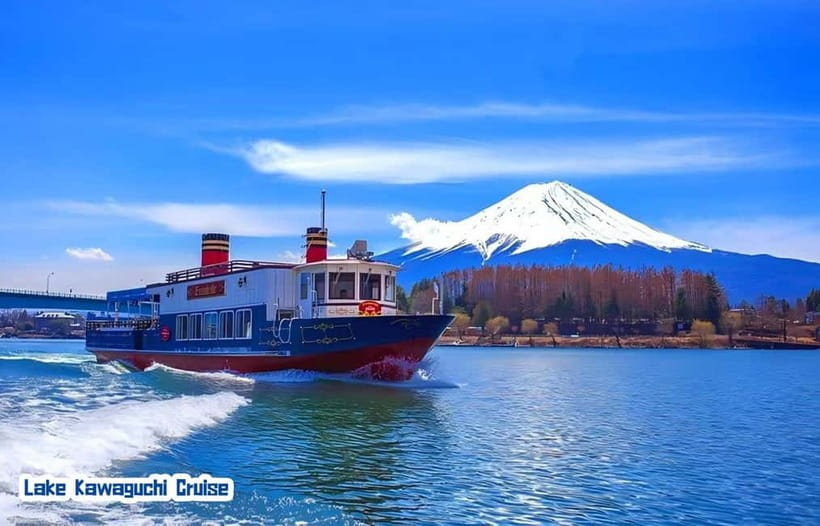
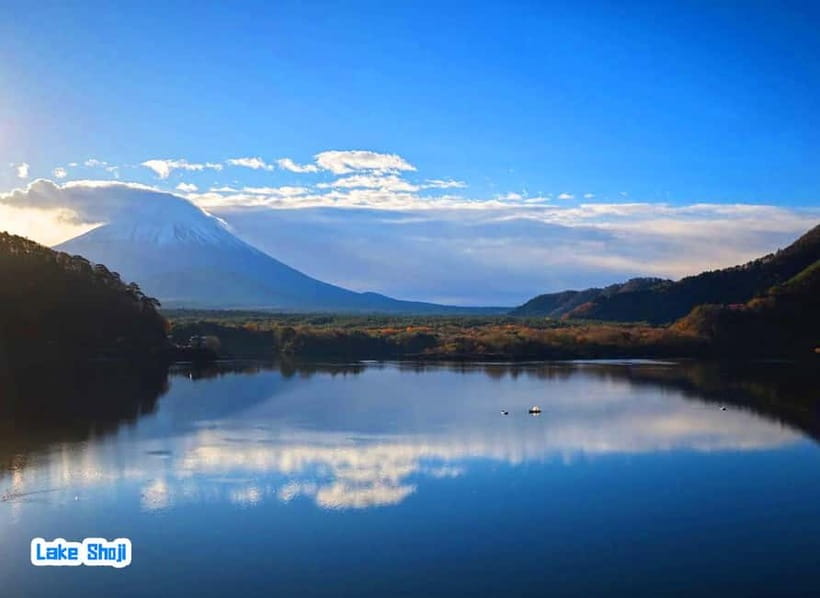
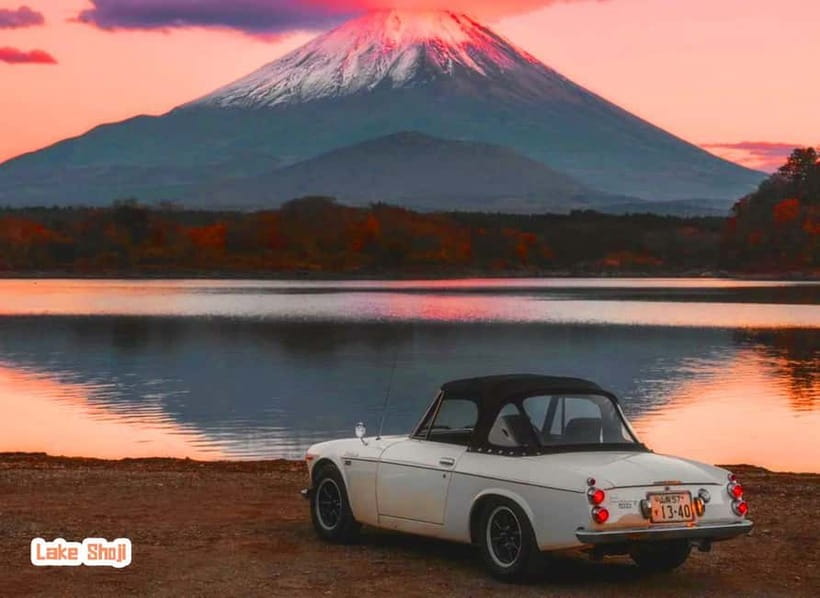
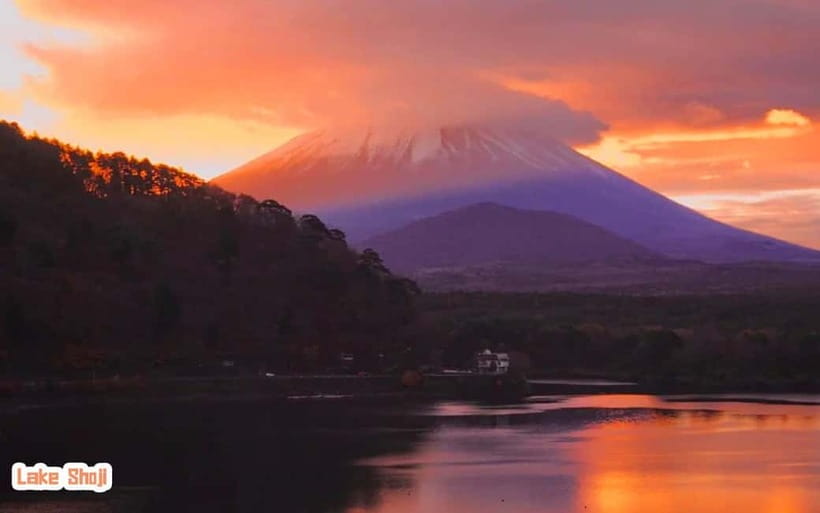
Around 10:00 AM, the tour reaches Lake Shoji. This is one of the day’s best reasons to book. It is quieter than the more famous Fuji viewpoints, and the setting changes sharply with the season.
In spring, you may find cherry blossoms. Summer brings green forest around the lake, autumn adds red and gold foliage, and winter can give you snow on the surrounding scenery. The attraction here is not a long list of facilities. It is the feeling of seeing Fuji beside a calm lake without the same level of urban development found at Lake Kawaguchi.
August adds a local festival angle. The Suzumi-no-Matsuri includes taiko drums and street food, giving the stop more life than a standard photograph-and-go visit. Festival timing is seasonal, so you should not book this tour expecting the event outside August.
The Sengen Shrine adds a cultural layer. Shrines connected with Mount Fuji reflect the mountain’s spiritual importance in Japan, so this stop is not only about framing the perfect cone in a camera. Keep your expectations measured: the schedule provides a visit, not a full religious or historical tour.
Oishi Park and the long Lake Kawaguchi break
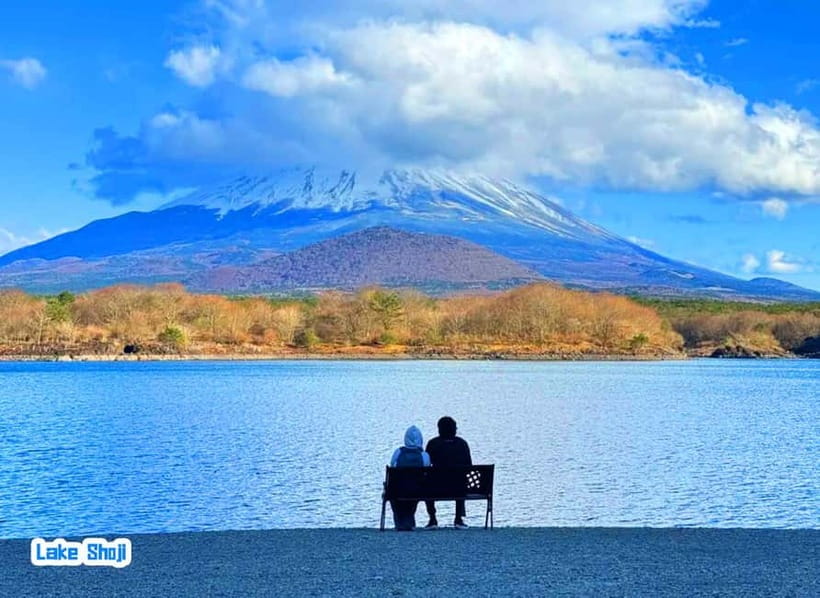
The day gives you about 150 minutes at Oishi Park or a seasonal alternative, including lunch. This is the longest single stop, which is useful because you can take photographs, eat, walk, and choose one optional activity without sprinting from one place to the next.
Oishi Park is known here for flowers set against Fuji. Lavender usually appears from June through July, cosmos from September through October, and snow displays from December through February. Cherry blossom season brings another option, with the Lake Kawaguchi Cherry Blossom Festival listed from March 25 through April 15.
The timing of the flowers is not guaranteed by the calendar alone. Weather and seasonal conditions affect what you see, but the tour’s seasonal approach is a good idea. Rather than pretending every month offers the same scene, the route can swap in a different seasonal stop.
You need to arrange your own lunch. The 150-minute window gives you time to buy food, but the tour does not include a meal. Bring water and wear comfortable shoes, since the stop includes walking and may combine more than one activity.
Choose one: cruise, ropeway, or music museum
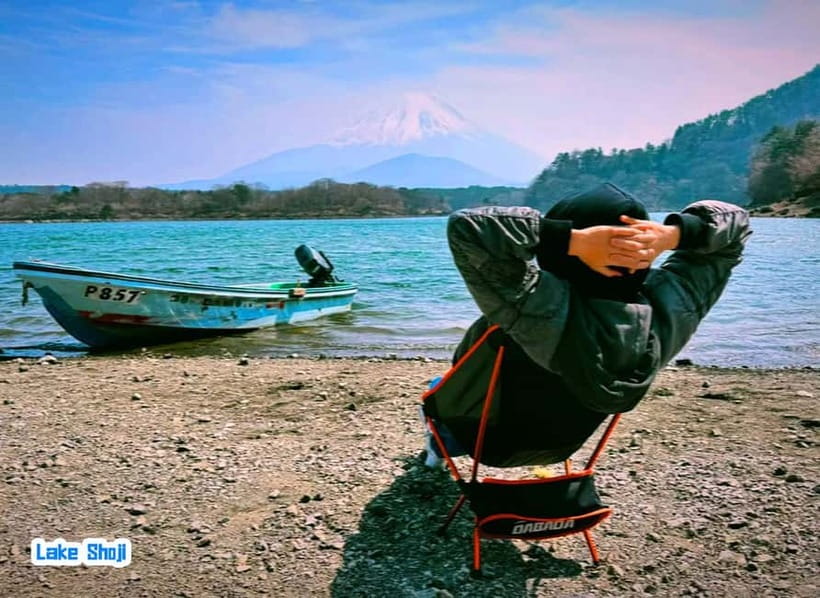
At Lake Kawaguchi, you choose one of three activities. This is an important decision because the choices offer very different experiences.
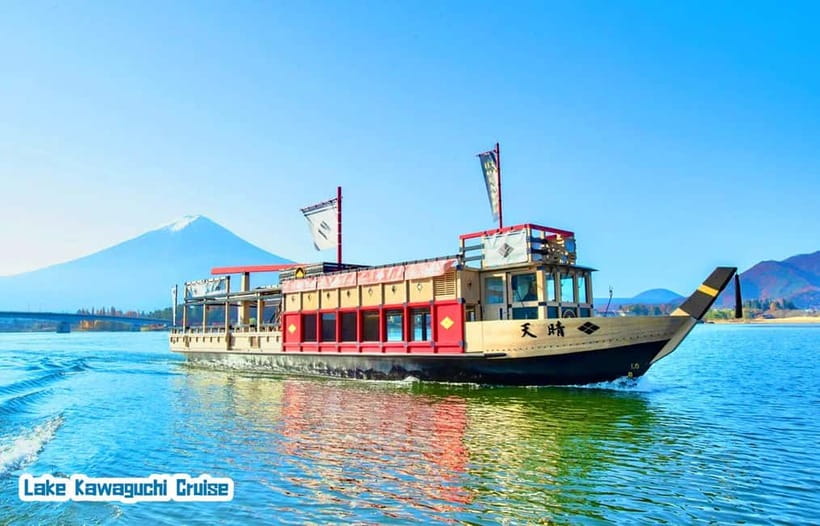
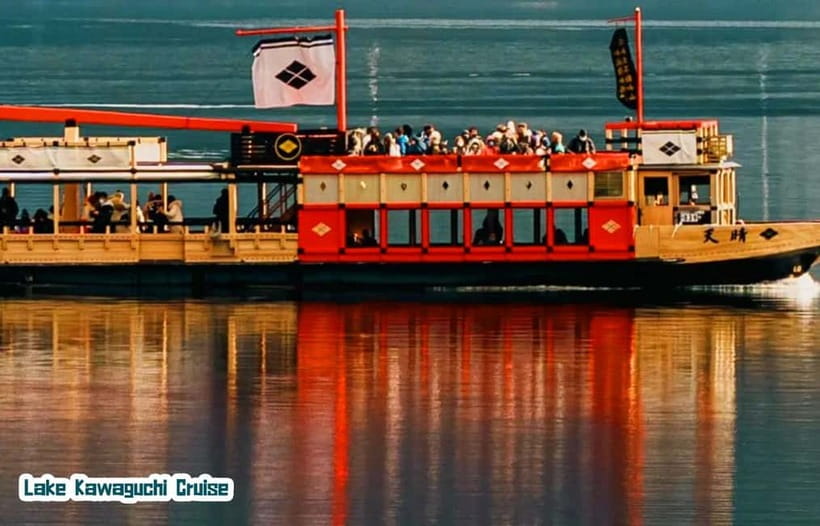
The Lake Kawaguchi cruise lasts about 20 minutes aboard the Tenkyo sightseeing boat, designed with the look of a 16th-century warship. You get a lake-level view toward Fuji and may see the mountain reflected upside down on the water. Samurai-style clothing is available for photographs, and the boat is wheelchair-accessible.
The cruise is the simplest option if you want to sit down and enjoy the view. It is also the shortest choice, so you may have extra time around the park. Reflections depend on wind and weather, and Fuji may be partly hidden.
The Mt. Kachikachi Ropeway takes about three minutes to reach Tenjozan Park. From above, you get a wide view over Lake Kawaguchi and toward Fuji. The folklore theme includes rabbit and raccoon statues, small shrines, grilled dango, clay discs for luck, and the Bell of Heaven, which couples can ring together.
This is likely the best choice for a high viewpoint, but it is not guaranteed to operate as part of the day. One account of the trip found that the cable car was not possible, so you should treat the ropeway as an option rather than a promise. Weather, queues, or the driver’s schedule may affect it.
The Lake Kawaguchi Music Forest Museum offers European-style gardens, antique music boxes, organs, a Titanic replica, weekend concerts, dining, shops, and music-box workshops. It suits you if you prefer gardens and indoor exhibits to a boat ride or a mountain viewpoint.
The practical snag is access. The vehicle may not stop directly at the museum, and you could need to walk about 20 minutes each way. That is manageable for many people, but it matters if you have limited mobility or want to keep the day tightly timed.
A few more Tokyo tours and experiences worth a look



The Lawson photo and Hikawa Clock Shop
At about 2:10 PM, the van stops at the famous Lawson convenience store view. Fuji rises behind the ordinary blue-and-white shop, creating one of Japan’s most recognizable modern travel photographs.
This stop is quick and image-focused. It is not an authentic rural scene, but it does capture a funny part of present-day Japan: a global mountain icon framed by a convenience store. Follow the driver’s directions carefully here, since roadside photo locations need orderly movement.
Around 2:50 PM, you reach Hikawa Clock Shop. The area features more than 1,000 handcrafted clocks in a retro alley, with traditional streets and Fuji views when the weather cooperates.
This is a more unusual stop than the standard lake promenade. You get a sense of an older streetscape, but the Fuji view is weather-dependent. If clouds cover the mountain, the alley and clocks still provide the main interest.
The schedule gives you a sequence of short photo stops after the longer Lake Kawaguchi break. That keeps the afternoon varied, though it also means the day can feel full. If you prefer one peaceful place for several hours, this is not that kind of excursion.
Hirano Beach at Lake Yamanaka
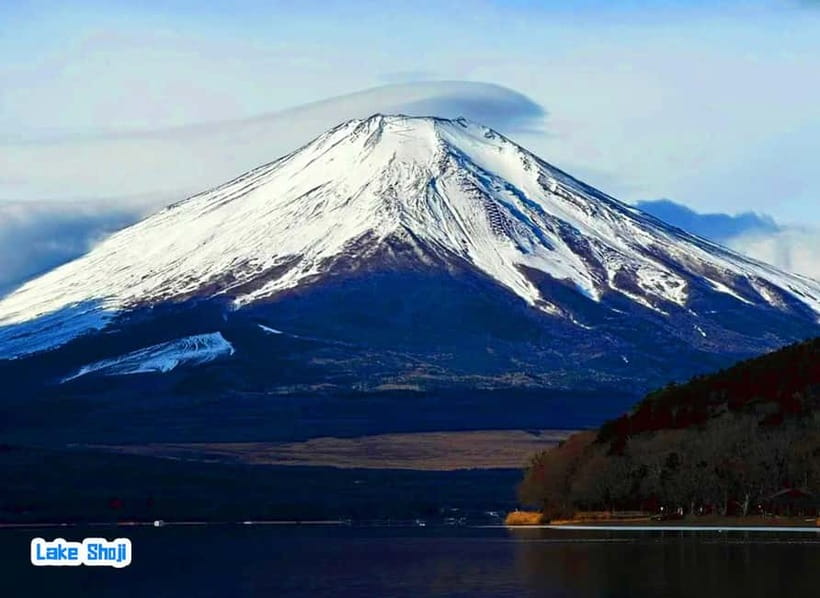
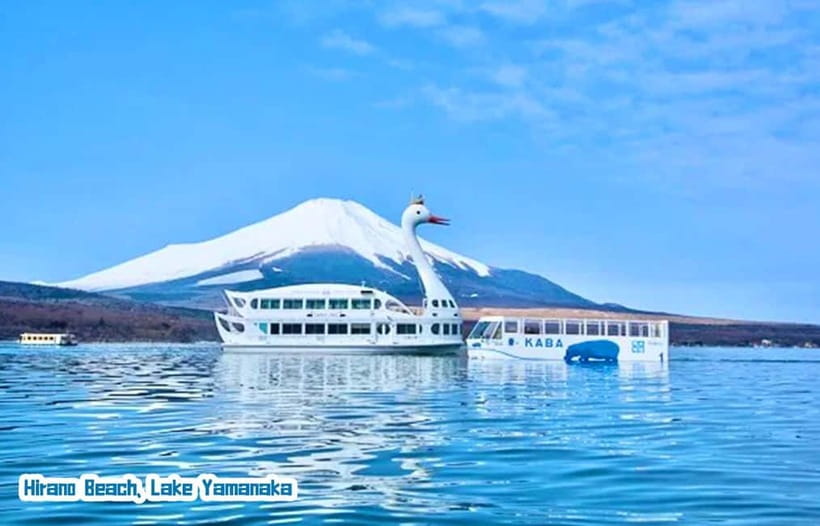
At about 3:20 PM, the route reaches Hirano Beach on Lake Yamanaka, the highest-altitude lake in the Fuji area. The shore is meant to be a quiet place to finish the sightseeing portion of the day.
The special effect here is the floating Fuji illusion, where the mountain appears to hover above the water under the right conditions. Golden-hour light can make the view especially attractive, but the timing depends on the season and the day’s progress.
Lake Yamanaka gives you a different final impression from Lake Shoji. Shoji is introduced as secluded and forested, while Hirano Beach opens the trip with a broad lakeside view. If clouds cover Fuji, you still have the shoreline, but the signature illusion will not appear.
The scheduled departure for Tokyo is around 4:00 PM. Drop-off at JR Tokyo Station or your original pickup point is expected by 6:00 PM. In practice, the route can run later. I would not book a dinner reservation, theater ticket, or airport transfer soon after the stated return.
What the $20 price really includes
At $20, the tour is a transport bargain if the route operates close to schedule. You receive van transportation, driver service, fuel, tolls, parking, and a full 10-hour itinerary. For a group trying to see several Fuji lakes without renting a car, that is the core value.
The price does not cover lunch, drinks, admission tickets, or personal expenses. The three optional Lake Kawaguchi activities require separate payment, and the included service is not described as a private professional guide.
That distinction matters if you want detailed commentary at every stop. The driver can provide help and facts, and language support includes English, Chinese, Japanese, and Traditional Chinese. But this should not be treated as a full guided cultural tour with a named specialist. No guide name is provided in advance.
The rating information is limited, with only three reviews and an average of 4.7. The clearest strengths are the different places, helpful answers, and generous time at stops. The clearest weaknesses are changes from the planned route and a late finish. I would judge the price mainly as a way to buy transportation and access, not as an all-inclusive sightseeing package.
Who should book this Fuji outing?
I would choose this tour if you want to cover a lot of ground without driving. It suits first-time visitors who want Fuji from several angles, photographers looking for seasonal changes, and small groups who prefer a van to a large coach.
It also works well if you enjoy a mix of famous and less common stops. Lake Shoji and Hirano Beach offer a calmer counterpoint to the Lawson photo and Lake Kawaguchi’s paid attractions.
You should think twice if you need a firm timetable. The route can change, the ropeway may not be available, and the museum may require a long walk from the vehicle. People who are pregnant, have heart problems, or are over 70 are specifically advised not to book.
Bring comfortable shoes, water, and comfortable clothes. Smoking, alcohol, and food or drinks are not allowed in the vehicle. Since the day may be long, pack lightly and keep your phone, wallet, and contact details easy to reach.
Should you book it?
Book this trip if variety and value matter more to you than a perfectly fixed itinerary. Three lakes, seasonal scenery, a shrine, a flower park, a clock-filled alley, and several Fuji viewpoints make a full day for a very low price.
Skip it if you need guaranteed access to the ropeway, a direct museum drop-off, or a punctual return to Tokyo. The best approach is to leave your evening open, confirm everything with the driver, and treat the schedule as a useful plan rather than an unchangeable contract.
FAQ
Where does the tour depart from?
You can meet at JR Tokyo Station near the Marunouchi North Exit, or choose hotel pickup in selected Tokyo wards. The exact meeting point and pickup time are sent before the tour.
Is hotel pickup available?
Yes. Confirmed pickup areas include Shinjuku, Chiyoda, Chuo, Shinbashi, Akasaka, Tamachi, Shiodome, Hamamatsucho, Roppongi, and Taito wards. Pickup usually takes place between 7:30 and 8:30 AM.
What languages are available?
Language support is listed in English, Chinese, Japanese, and Traditional Chinese. The driver’s direct contact details are provided before the trip.
Are meals included?
No. Meals are not included, so you need to arrange lunch during the Lake Kawaguchi portion of the day. Personal expenses and drinks are also your responsibility.
Are the cruise, ropeway, and museum included?
No. Entry tickets for the Lake Kawaguchi cruise, Mt. Kachikachi Ropeway, and Music Forest Museum are not included. You choose one of these activities when available.
How long is the tour?
The planned duration is 10 hours. Departure is around 8:00 AM, and return to Tokyo is scheduled by about 6:00 PM, though the day may run later.
Can I cancel for a refund?
You can cancel up to 24 hours in advance for a full refund. Late arrivals and no-shows do not receive a refund or an alternative date.
More 1-Day Tours in Tokyo
More Mt Fuji Day Trips in Tokyo
More tours in Tokyo we've reviewed









Mt Fuji Day Trips, compared.
 ★ 5.0Mt Fuji and Hakone 1-Day Bus Tour Return by Bullet TrainFrom $163
 ★ 4.0Mt Fuji & Hakone Cruise, Drum Show Bullet Train 1 Day from TokyoFrom $149
 ★ 4.4Tokyo Mt Fuji 5th St & Hakone Cruise Bus Tour w/Bullet TrainFrom $15410 hours
 ★ 4.5From Tokyo: Mount Fuji Full-Day Sightseeing TripFrom $6810 hours
 ★ 4.7Tokyo: Mt. Fuji Tour, Hakone Ropeway, Owakudani, Lake AshiFrom $5410 hours
 ★ 4.4Tokyo:Mt.Fuji,Kawaguchiko Oishi Park,Arakurayama Sengen ParkFrom $5410 hours