
Reviewed · SHOW
Japanese Traditional Music Show in Tokyo
The unusual pleasure here is being close enough to watch musicians handle Japan’s traditional instruments, not simply hearing them from a distant stage. I especially like the clear English explanations and the mix of old Japanese pieces, modern arrangements, and one unexpected western hit. The small numbered audience keeps the hour personal.
I also like that you may take photos and videos during the concert, then pose with the musicians afterward. The one drawback is the short running time: at one hour, this is an introduction rather than a full evening of music, and the $38 price may feel high if you want a longer concert.
In This Review
- Key points to know before you go
- What the ZAKURO SHOW gives you in one hour
- Hearing the koto, Japan’s long wooden harp
- The shamisen brings a sharper edge
- The shakuhachi changes the mood
- Taiko drums provide the physical finish
- Ancient pieces, modern arrangements, and a surprise cover
- A host who keeps the music understandable
- Photos, videos, and meeting the musicians
- Getting to Hall 60 in Harajuku
- Is $38 a fair price?
- Who should book this concert?
- Flexible booking for a short Tokyo plan
- Should you book the ZAKURO SHOW?
- FAQ
- Where is the Japanese Traditional Music Show held?
- How long does the concert last?
- What instruments are performed?
- Is the show presented in English?
- Can I take photos or videos?
- What does the $38 ticket include?
- Are food and drinks included?
- Can I cancel my booking?
Key points to know before you go
- Koto, shamisen, shakuhachi, and taiko together: Hear four very different Japanese instruments in one compact program.
- Bilingual presentation: A host explains the instruments, pieces, and cultural background in English and Japanese.
- Small numbered audience: Your reserved seat puts you close to the musicians in an intimate hall.
- Old, new, and unexpected music: The program includes ancient and modern Japanese works, plus a western cover.
- Photos are part of the experience: You can photograph and record the show, then take pictures with the performers.
- Easy Harajuku access: Hall 60 is a one-minute walk from Meiji-Jingumae Station Exit 7 and five minutes from JR Harajuku Station.
What the ZAKURO SHOW gives you in one hour
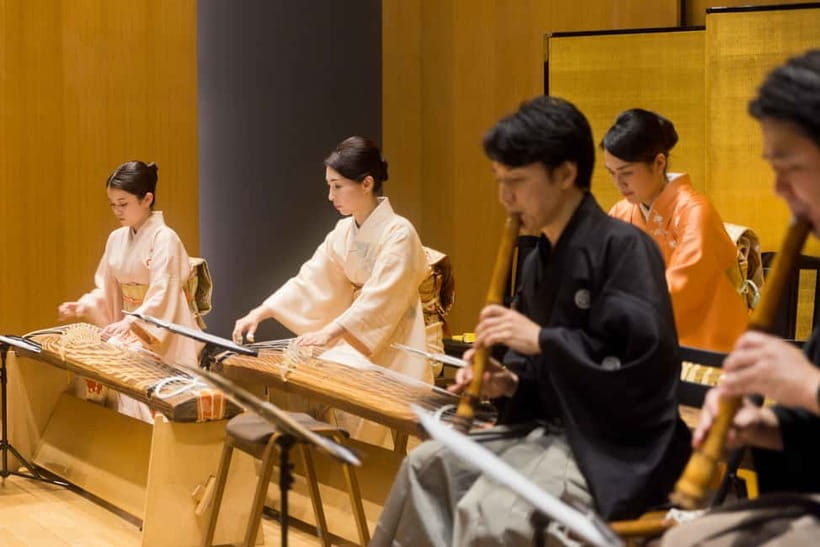
Tokyo offers plenty of large performances, but this one takes a simpler route. You enter Hall 60, take your reserved seat, and find the musicians and their instruments close in front of you. The setting is made for a small numbered audience, so you get a direct view rather than the feeling of watching a cultural display from the back of a theater.
The performance is also a lesson. The bilingual host introduces the instruments and gives background on the music before or between pieces. That matters because several of these instruments may look familiar only in photographs. Once you hear how they work and understand something about their past, the sounds make much more sense.
The program moves between explanation and music. You are not asked to sit through an unbroken hour of unfamiliar melodies with no context. Instead, each tune helps show what the instruments can do, while the host gives you a way into the next piece.
The format works well for a first meeting with Japanese traditional music. You do not need musical training, and you do not need to know Japanese. The presentation runs in English and Japanese, with the English translation described as clear and well handled. If you have older children or teenagers with you, the combination of live sound, visual instruments, and permission to record can make the concert easier to connect with than a formal museum visit.
A few more Tokyo tours and experiences worth a look

Hearing the koto, Japan’s long wooden harp
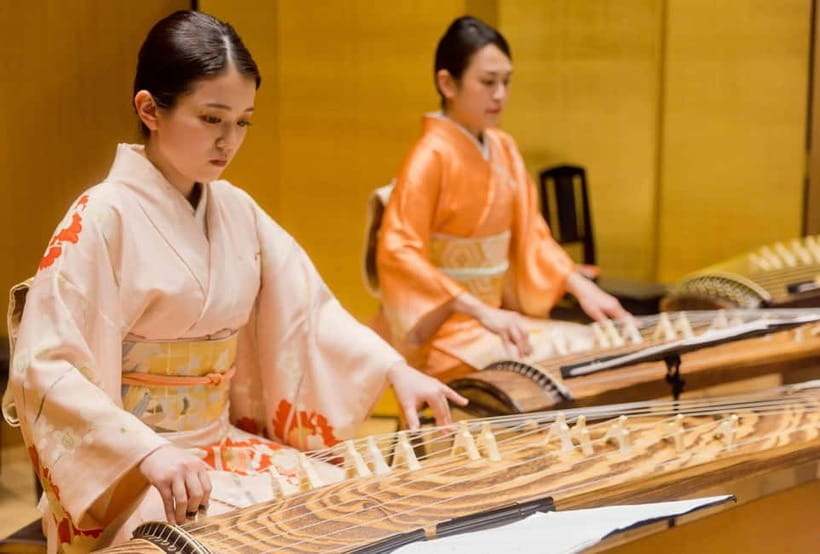
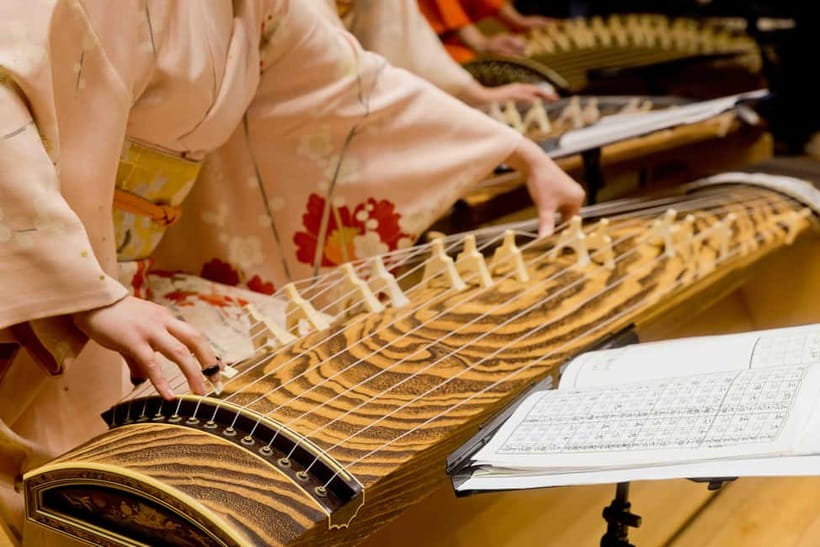
The koto is often described for visitors as a Japanese harp. Its long body and strings create a bright, clean sound, and its presence gives the music a graceful starting point. At this show, you get to see the musician play it from nearby, which helps you notice the physical work behind the sound.
The useful part of the introduction is that it covers more than the instrument’s name. The program explains how the instruments work, how they are made, and their place in Japanese musical tradition. You can listen differently once you know what to watch for.
A koto piece can feel delicate, but the show does not treat traditional music as something frozen in the past. The program includes newer arrangements as well, showing how the instrument can fit music written for a modern audience. That balance is important if you are curious about Japanese culture but worry that a formal classical concert might feel remote.
The shamisen brings a sharper edge
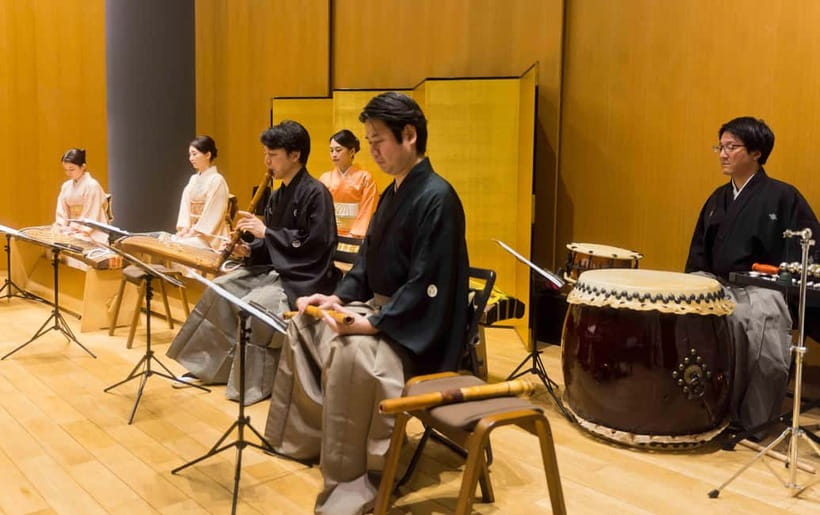
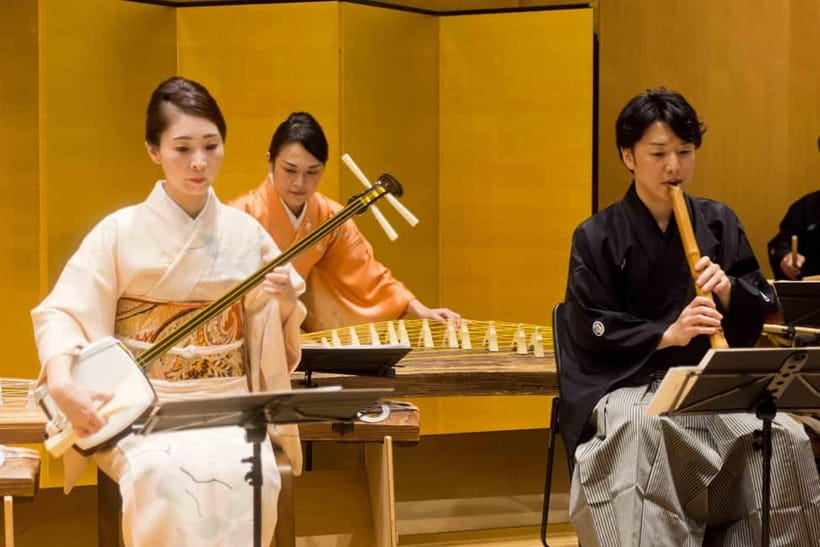
The shamisen is a three-stringed instrument with a distinct, punchy voice. Compared with the koto, it can sound more direct and percussive. Hearing the two in the same program gives you a quick lesson in contrast: one can suggest flowing melody, while the other adds bite and rhythm.
This is one reason the small hall helps. You can watch the musician’s hands and see how the instrument is used rather than treating the sound as a general background effect. The show’s teaching sections give you enough information to notice those differences without turning the concert into a technical lecture.
The shamisen also helps keep the program varied. A one-hour concert built around only one sound could become narrow. Here, the change from strings to wind and drums keeps the pace moving.
The shakuhachi changes the mood
The shakuhachi flute has a breathy, natural tone that can sound spare and haunting. It provides a sharp change from the plucked strings. In a program that also includes drums, that quieter voice gives your ears a needed rest.
The host’s explanations are especially useful with an instrument like this. A flute may be easy to recognize, but the shakuhachi has its own sound and place in Japanese music. You hear it as part of a specific tradition rather than simply as an unusual wooden flute.
The program includes historic pieces as well as modern material, so you can hear how the shakuhachi works in more than one setting. This is a good choice for you if the appeal of live music lies in unusual tones and close listening, not just in a famous melody.
Taiko drums provide the physical finish
Taiko drums bring weight and energy to the program. After the more delicate sounds of the koto or the airy shakuhachi, the drums make the room feel different. Their role is not only musical. You also see the controlled movement required to produce a strong, clean rhythm.
The contrast is one of the best features of the show. You move through strings, flute, and percussion without needing to commit an entire evening to a single style. For someone fitting Japanese culture into a busy Tokyo schedule, that variety gives the hour real value.
The music is not presented as a list of instruments. The pieces are selected to provide context, so the shifts in sound have a purpose. You learn what the instruments are, then hear them used in music from different periods.
A few more Tokyo tours and experiences worth a look




Ancient pieces, modern arrangements, and a surprise cover
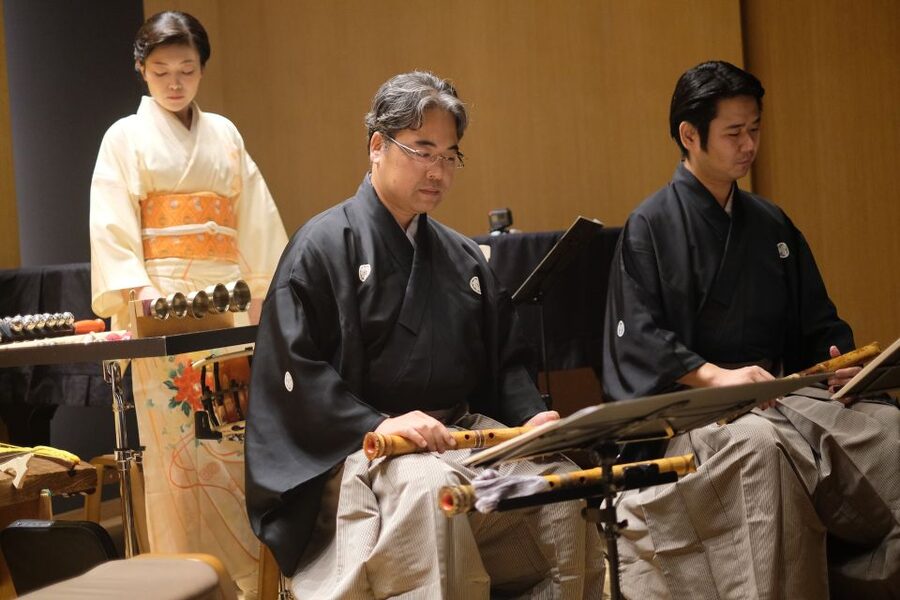
The program includes both older Japanese traditional music and modern traditional arrangements. That gives you a wider picture than a performance limited to historic works. You hear the instruments in their established setting, then see how the same sounds can support newer music.
One western hit appears as a surprise. It is best not to search for the title in advance, since the reveal is part of the fun. The point is not simply to add a familiar tune. The cover lets you hear what happens when Japanese instruments take on music you may already know.
This was one of the most frequently praised parts of the concert, along with the quality of the musicians and the host’s translation. Some audience members described the western song as a special moment, while others liked the way old and new pieces were placed together.
The choice makes the performance more approachable without turning it into a pop concert. You still get traditional Japanese music, but the familiar cover gives your ears a reference point. It can also help children and teenagers stay engaged during the more unfamiliar sections.
A host who keeps the music understandable
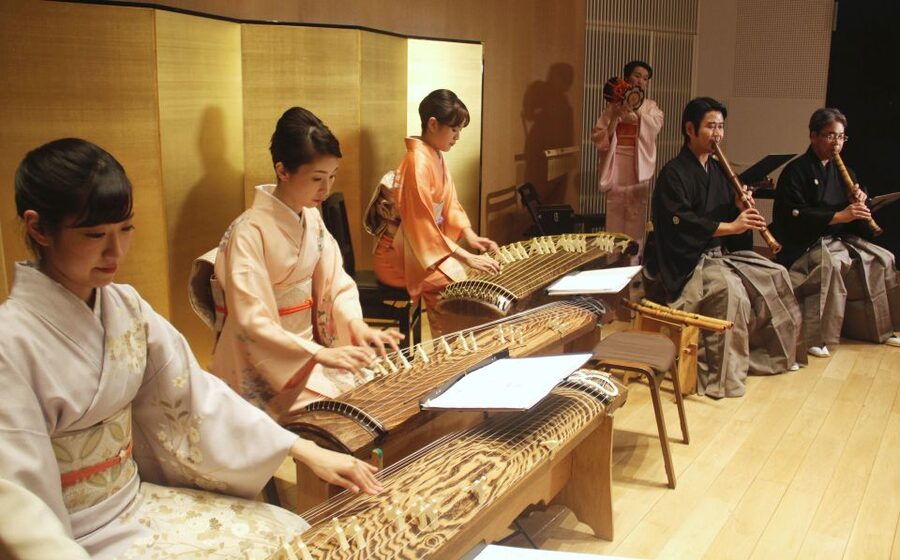
The host or greeter works in English and Japanese, and the explanations are woven between the musical pieces. This is not a silent concert where you are handed a program and left to guess what you are hearing. The host explains the instruments, their construction, how they are played, and their background.
That structure is a major part of the value. At $38, you are paying for more than a seat and a set of songs. You are getting a guided introduction to the instruments, followed by live examples that make the information easier to remember.
The presentation also serves mixed groups well. A person who already knows Japanese music can focus on the playing, while a first-time listener can follow the explanations. Since the show is intended for both Japanese residents and international visitors, the tone is designed to cross that language divide.
The supplied information does not give the host’s name, so I would not count on a named guide when booking. What you can count on is an English and Japanese presentation, which is the key practical detail for visitors who do not speak Japanese.
Photos, videos, and meeting the musicians
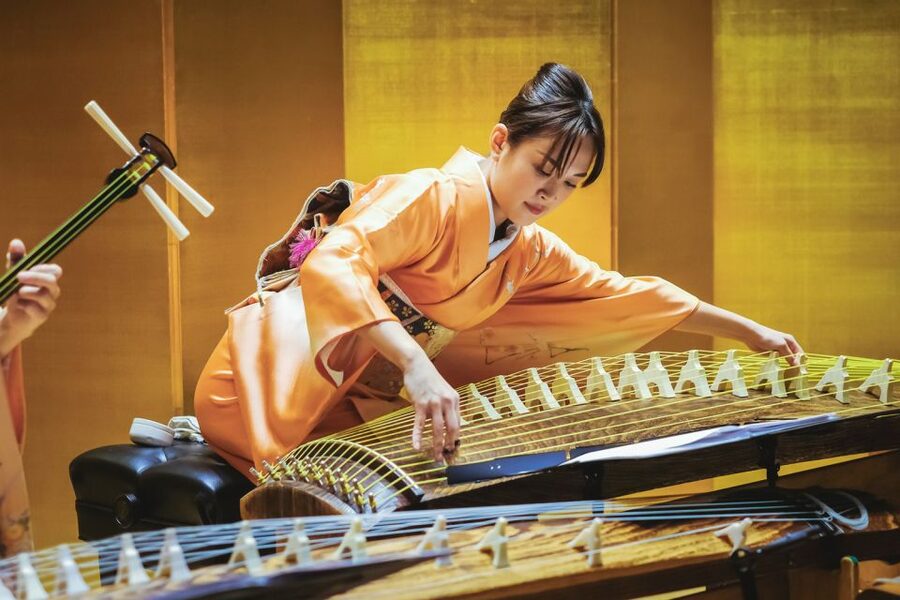
Many concerts ask you to put your phone away. Here, you are allowed to take photos and videos during the show. That is useful if you want a short record of the unusual instruments, though you should still be considerate of the performers and people seated near you.
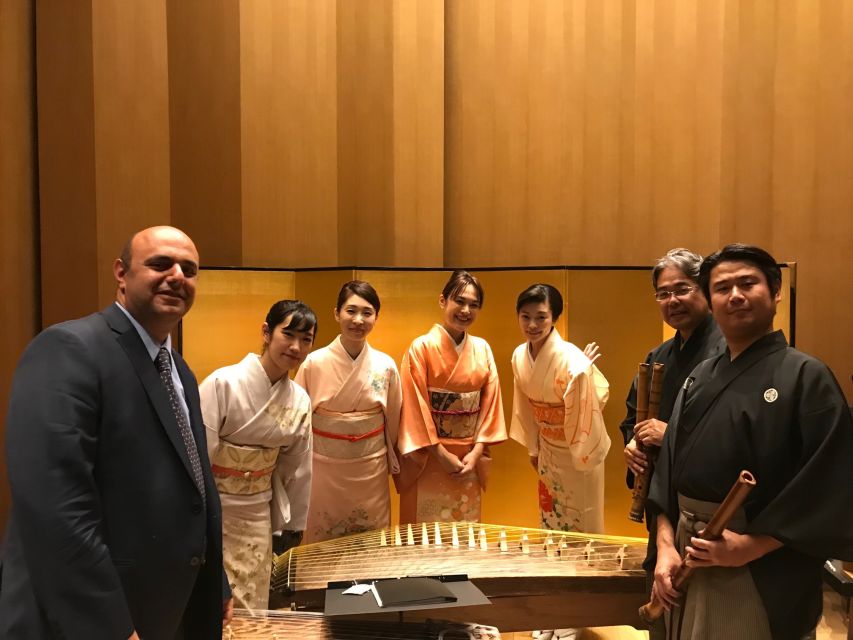
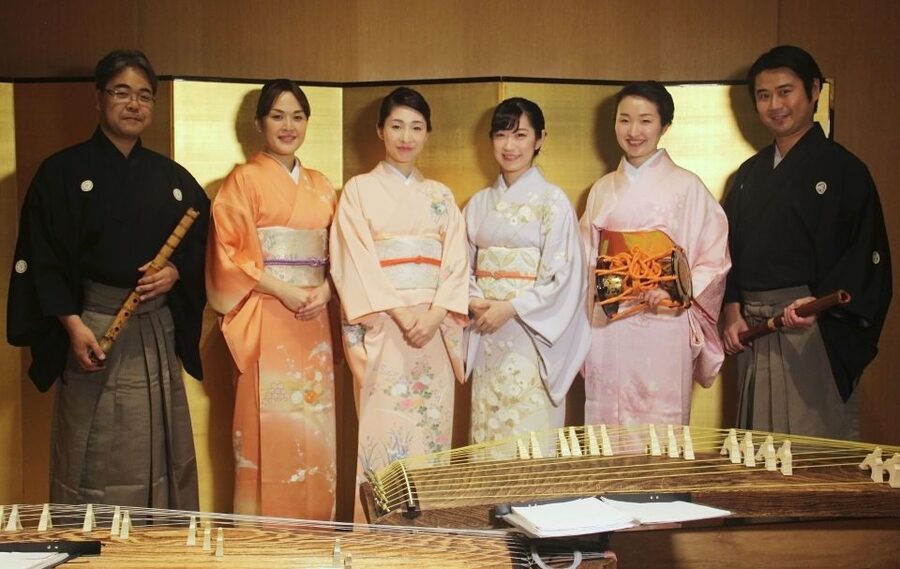
The photo opportunity continues after the performance. You can take pictures next to the musicians and their instruments. This gives the hour a friendly closing moment and lets you ask for a personal image rather than only photographing the stage.
The chance to meet the performers is especially helpful for families. Teenagers can record the music and take home a visual memory, while adults can ask about the instruments after hearing them played. The post-show photographs are included in the experience, not sold as a separate package.
Do not expect food, drinks, or merchandise to be part of the ticket. Those costs are separate if they are available, and hotel pickup and drop-off are not included. The show is short enough that most people can place it between other Harajuku plans.
Getting to Hall 60 in Harajuku
The venue is Hall 60. From Meiji-Jingumae Station, use Exit 7 and allow about one minute on foot. From JR Harajuku Station, use the Omotesando Exit and allow about five minutes.
Those directions make this an easy add-on to time in Harajuku. You do not need a long transfer across Tokyo or a separate transport plan. Still, give yourself enough time to find the hall and settle into your reserved seat, especially if you are navigating the area for the first time.
The ticket includes entry, a reserved seat, and the one-hour concert program. Skip-the-ticket-line access is also provided. Since the audience is small and seats are numbered, booking ahead is sensible if a particular performance time matters to you.
Starting times vary, so check the available schedule before planning dinner or another attraction. The show lasts one hour, but your full door-to-door commitment includes the walk from the station and time for the photographs afterward.
Is $38 a fair price?
The price is $38 per person. That is not a bargain basement ticket for a one-hour event, but the comparison should be with a guided cultural performance, not only with the length of the music.
You receive a reserved seat in a small hall, live performances on several traditional instruments, bilingual explanations, permission to photograph and record, and a chance to take pictures with the musicians. If you would otherwise spend time trying to identify these instruments or understand their place in Japanese music on your own, the teaching element adds useful value.
The price works best for you if you want a focused cultural activity. It is less appealing if you are looking for a long concert, a meal, or a full evening package. Food, drinks, merchandise, and transport are not included, so keep those items outside the ticket calculation.
The strong response from people who attended is consistent on the main points: talented musicians, clear translation, interesting instrument explanations, and a program that combines traditional and modern material. I would treat those as the core reasons to book, rather than expecting a large-scale stage production.
Who should book this concert?
I would recommend it to first-time visitors who want a clear introduction to Japanese music without committing to a full night. It also suits anyone who enjoys unusual sounds, families with teenagers, and couples looking for a compact cultural stop near Harajuku.
It is a particularly good fit if you want to understand what you are hearing. The host explains the instruments instead of assuming prior knowledge, and the music then gives you an immediate demonstration.
You may want to skip it if you strongly prefer long, uninterrupted performances or if your main goal is a large theater atmosphere. The small audience and close setting are strengths for personal contact, but they are not a substitute for a grand concert hall.
The wheelchair accessibility is a useful practical feature, though the supplied details do not explain the exact seating arrangement. If that matters to you, confirm the details when booking.
Flexible booking for a short Tokyo plan
You can cancel up to 24 hours before the activity for a full refund. A reserve-now, pay-later option is also available, which helps if your Tokyo schedule is still changing.
That flexibility is useful here because the show fits neatly into a day of sightseeing, but Harajuku plans can shift. Check the starting times and choose a slot that leaves room for the station walk and the post-show photos.
Should you book the ZAKURO SHOW?
Book it if you want close-up traditional music with explanations, not just background entertainment. The mix of koto, shamisen, shakuhachi, and taiko gives you several distinct Japanese sounds in one hour, while the bilingual host makes the program easy to follow.
The $38 cost is reasonable for a reserved seat, live musicians, cultural instruction, and the chance to photograph the performers. I would be cautious only if you need a full-length concert or expect refreshments and transport to be included.
For most visitors, this is a smart Harajuku choice: short, easy to reach, informative, and personal. Keep your phone ready for a few respectful photos, save room for the surprise cover, and plan to stay a moment afterward for the musician photographs.
FAQ
Where is the Japanese Traditional Music Show held?
The show takes place at Hall 60 in Tokyo’s Harajuku area. It is a one-minute walk from Meiji-Jingumae Station Exit 7 and about five minutes from JR Harajuku Station’s Omotesando Exit.
How long does the concert last?
The concert program lasts one hour. Starting times vary, so check availability when choosing your booking.
What instruments are performed?
The program features the koto, a Japanese harp, shamisen, shakuhachi flute, and taiko drums.
Is the show presented in English?
Yes. The experience operates in English and Japanese, with a host explaining the instruments and music for the audience.
Can I take photos or videos?
Yes. Photos and videos are permitted during the show. You can also take photos with the musicians after the performance.
What does the $38 ticket include?
The price includes entry to the venue, a reserved seat, and the one-hour concert program.
Are food and drinks included?
No. Food and drinks are not included. Hotel pickup and drop-off and merchandise are also separate.
Can I cancel my booking?
Yes. You can cancel up to 24 hours in advance for a full refund. A reserve-now, pay-later option is also available.
More Shows & Entertainment in Tokyo
More Shows & Performances in Tokyo
More tours in Tokyo we've reviewed





Show, compared.
 ★ 4.0Mt Fuji & Hakone Cruise, Drum Show Bullet Train 1 Day from TokyoFrom $149
 ★ 4.8Tokyo: Sumo Show Experience with Chicken Hot Pot and a PhotoFrom $1032 hours
 ★ 4.8Tokyo: Sumo Show and Dining ExperienceFrom $7990 minutes - 2 hours
 ★ 5.0the SUMO showFrom $89
 ★ 5.0Tokyo Shinjuku Sumo Show & Experience with PhotoFrom $79
 ★ 4.5Tokyo: Samurai Restaurant Show Ticket with 2 DrinksFrom $551h 30m