
Reviewed · ASAKUSA TOURS
Hand-carved stamps made with craftsmen in Asakusa, Tokyo
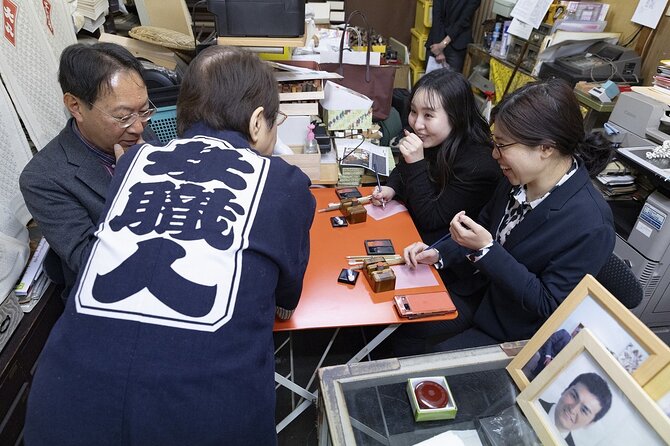
The most memorable part of this Asakusa workshop is that you do not simply buy a Japanese souvenir. You make your own Hanko, carving a personal design into a small piece of natural wood under the patient eye of a local artisan. The finished seal is useful, compact, and tied to your own time in Tokyo.
I like two things right away: the private format gives you personal help, and the material is genuinely Japanese natural wood, such as cherry or sansho. I also like that the workshop welcomes both adults and children over 10, so it can turn into a shared family activity rather than another sightseeing stop.
The main concern is price. At $93.33 per person, this is a costly two-hour activity, especially if you finish in about an hour. The carving is fun and distinctive, but you should book it for the hands-on craft and personal instruction, not for a long cultural lecture.
In This Review
- Key Points
- Making a Hanko Instead of Buying One
- A Private Workshop in Asakusa
- What Happens During the 90 to 120 Minutes
- Why the Handmade Souvenir Has Appeal
- The Artisan’s Role
- Is the Carving Suitable for Children?
- Timing, Location, and Small Practical Matters
- Is $93.33 a Fair Price?
- Who Should Book This Experience?
- Should You Book the Asakusa Hanko Workshop?
- FAQ
- Where does the Hanko workshop take place?
- How long does the activity last?
- Is the workshop private?
- What is included in the price?
- What design can I carve?
- What kind of wood is used?
- What age must participants be?
- Do I need to bring anything?
- Is there a toilet at the workshop?
Key Points
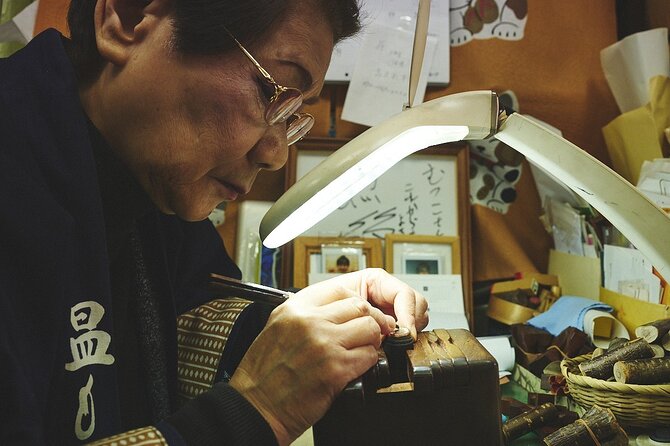
- You carve a real Hanko seal: Create your name or a simple original pattern on natural wood.
- Private instruction: Your group works with a local artisan who can guide each person through the carving.
- A small, meaningful souvenir: The finished seal is about 10 centimeters long and comes with a vermilion inkpad.
- Asakusa location: The workshop is in Taito City, near public transportation and a public restroom.
- Allow 90 to 120 minutes: Some people may complete the work faster, depending on the design and carving speed.
- Good for families with older children: Participants must be over 10 unless separate approval is arranged.
Making a Hanko Instead of Buying One
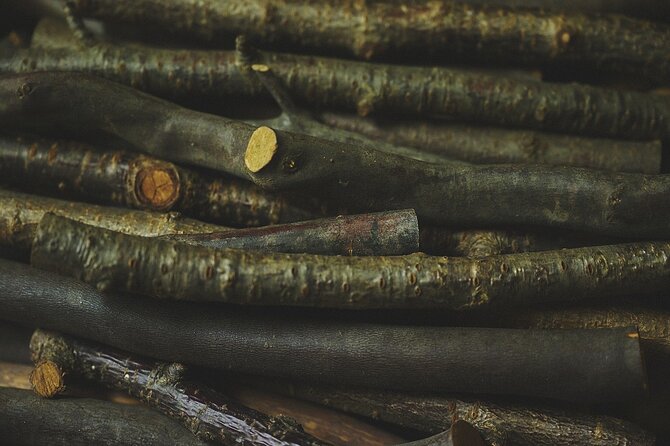
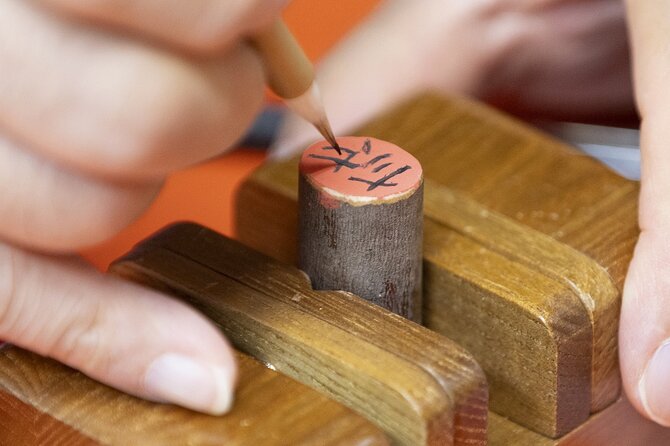
A Hanko is a Japanese seal used as a personal mark. In this workshop, you create one by carving into a small piece of natural wood. The material may be cherry or sansho wood, and each piece is a little different in shape and grain.
That difference matters. You are not selecting a factory-made souvenir from a shelf. You are working with a simple piece of wood and turning it into something that carries your name or chosen design. The result will have small signs of your handwork, which is part of its appeal.
You can carve your name or make an original pattern with help from the artisan. Keep your design fairly simple. Complex patterns may be too difficult to finish within the allotted time, and a tiny seal does not leave much room for elaborate detail.
I would think about your design before arriving. A name, initials, or uncomplicated symbol is a sensible choice. If you want Japanese characters, have your preferred spelling or character choice ready to discuss, but do not assume that a highly detailed design will be possible.
A few more Tokyo tours and experiences worth a look


A Private Workshop in Asakusa
The activity takes place at Ito Inboh, at 1-chome-19-4 Senzoku in Taito City. It is near public transportation, but transportation to the shop is not included, so you will need to make your own way there.
The private setup is one of the strongest reasons to consider this experience. Only your group participates, and the artisan can adjust the guidance to your pace. If you are unsure how firmly to hold the tool or where to remove wood, you can ask for help right away instead of waiting for a general demonstration to catch up.
That personal attention is especially useful because hand carving is not entirely effortless. You need enough control to remove small sections of wood without damaging your design. The artisan provides thorough guidance, and the workshop’s warm, polite atmosphere helps take the pressure off.
I would not expect a formal classroom with rows of benches. This is a small craft session built around making one object. That can feel personal and rewarding, but it also means the cultural explanation may be brief. One participant found the practical work enjoyable but felt there was not much history included, so book this mainly for the carving itself.
What Happens During the 90 to 120 Minutes
The exact flow can vary, but the session centers on four clear stages.
First, you choose your design. You can make a name seal or a custom pattern, with the artisan helping you judge what will work on the small wooden surface. This is the point to simplify an overly ambitious idea.
Next, you learn how to use the carving tools. The workshop supplies the tools and natural wood, so you do not need to bring equipment. The artisan shows you how to approach the material and can step in with advice when the carving becomes tricky.
Then comes the main work: removing wood to form your design. This is the part that takes concentration. You will likely work slowly at first, then find a rhythm as you understand how the tool responds.
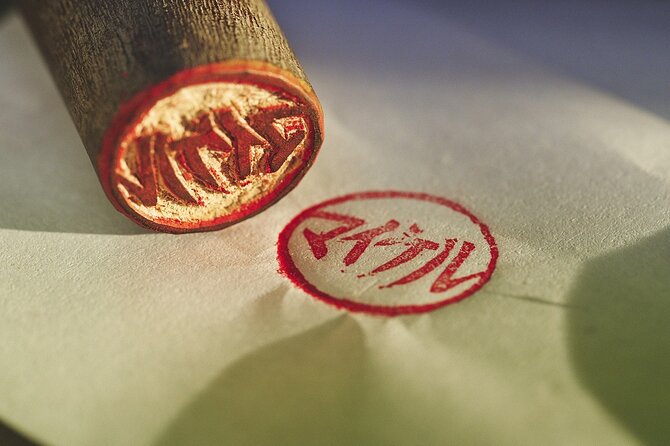
Finally, you finish the Hanko and test it with the vermilion inkpad provided. The finished seal goes home with you. The activity ends back at the same meeting point.
The advertised duration is about two hours, with an actual range of 90 to 120 minutes. Your design and carving speed make a difference. One efficient participant completed the work in about an hour, so I would not treat two hours as guaranteed sit-down time.
Why the Handmade Souvenir Has Appeal
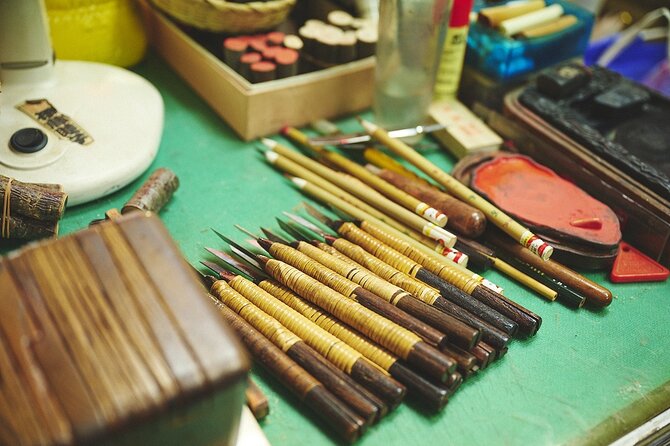
Tokyo offers no shortage of souvenirs, but many are easy to forget once you get home. A handmade Hanko has a stronger connection to the trip because you remember the decisions behind it: the wood, the pattern, the careful cuts, and the moment you first pressed it into ink.
The size also works in its favor. At roughly 10 centimeters long, the wooden seal is small enough to pack without trouble. It can serve as a personal keepsake or a gift for a friend. The included vermilion inkpad means you can use it as soon as you return home.
I also like the fact that the finished piece does not need to look perfect. A completely polished result might come from a shop, but the small irregularities in a hand-carved seal show that you made it yourself. The artisan’s help keeps the project on track without removing your role in the work.
This is a better choice for someone who values process over luxury. You are paying for instruction, time with a craftsperson, materials, and a personal object. If you only want the cheapest Japanese stamp, the price will feel high.
The Artisan’s Role
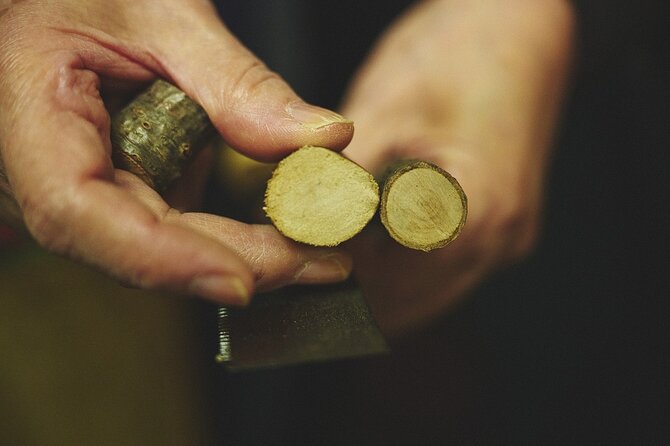
The artisan is central to the experience. The workshop is not simply a room with tools and written instructions. You receive guidance from someone who works with the craft and can help you make practical choices about the design.
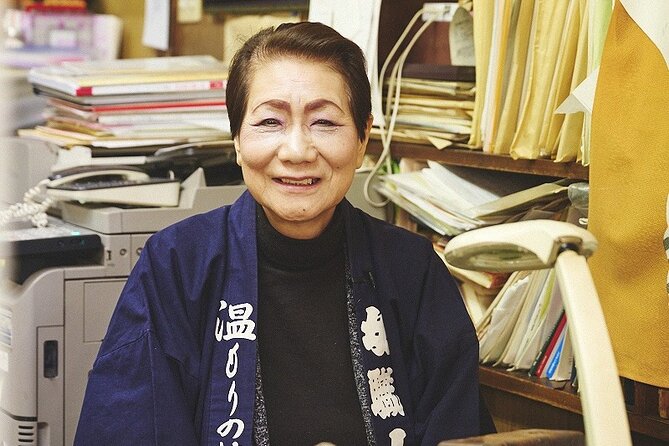
The strongest praise for this activity focuses on the owner’s kindness, patience, and passion. The owner is also described as one of the first female Hanko craftsmen, which adds a personal human story to the session. That detail gives the workshop more character than a standard souvenir-making class, even though the amount of formal historical discussion may be limited.
You should expect friendly, hands-on instruction rather than a long lecture. If you want to know more about Hanko tradition, ask questions during the carving. The private format gives you a better chance to have that conversation than a large group class would.




Is the Carving Suitable for Children?
The stated minimum age is over 10. Younger children require separate confirmation, so do not assume a child under 10 can join simply because the activity is private.
For older children, this can work well because the task has a clear goal and produces something tangible. Adults and children can each carve a personal seal, and the artisan can help when someone needs it. The activity requires care and attention, though, so it may not suit a child who dislikes slow handwork.
I would also choose casual clothing. Carving can create small bits of debris, and the workshop advises bringing your own apron if that concerns you. Nothing else is specifically required.
Timing, Location, and Small Practical Matters
Plan to use a restroom before the workshop. There is no toilet at the activity location, although a public restroom is about a one-minute walk away.
The meeting point is in Senzoku, within Taito City. The activity begins and ends there, so you can plan your next stop without arranging a second pickup. Transportation costs are not included, and souvenirs available at the workshop are also separate from the experience fee.
Confirmation is sent within 48 hours of booking, subject to availability. The plan is reservation-based, and an alternative date may be needed if the requested time cannot be accommodated. Since the activity is non-refundable and cannot be changed for any reason, I would only reserve once your Tokyo schedule is firm.
The booking pattern suggests that many people reserve well ahead, with an average of 38 days. That does not guarantee a sellout, but it is a useful warning if you have fixed dates. I would avoid leaving this until the last day of a short Tokyo visit.
Is $93.33 a Fair Price?
At $93.33 per person, the cost is the biggest question. The fee includes the workshop, tools, natural-wood materials, English interpretation, the Hanko you create, and a vermilion inkpad. You are paying for a private session rather than a quick drop-in craft table.
The value is strongest when several of these points matter to you:
- You want direct help instead of a self-guided activity.
- You prefer a handmade souvenir to a shop purchase.
- You enjoy careful, creative work.
- You are comfortable paying more for a private experience.
- You want an activity that can suit adults and older children together.
The value is weaker if you mainly want a long explanation of Japanese seal culture or a full two-hour program. The actual session may last closer to 90 minutes, and a quick carver may finish in about an hour. At that point, the price works out to a substantial hourly cost.
I would compare it with the cost of a meaningful souvenir rather than with the price of an ordinary attraction. If the finished Hanko becomes one of your favorite reminders of Japan, the price may feel justified. If you are counting every yen and want maximum sightseeing time, this is an easy activity to skip.
Who Should Book This Experience?
I would recommend it to couples, families with children over 10, solo visitors who like traditional crafts, and anyone searching for a personal souvenir made in Japan. It is also a good fit when you want a quieter break from Tokyo’s busy streets.
The private setting helps if you feel nervous about using carving tools. You can ask for help without worrying about holding up a class. The artisan’s friendly manner is another reason this works well for people who want human contact during their sightseeing rather than a self-service activity.
I would hesitate to recommend it to someone with a very tight schedule, a strong dislike of fine handwork, or a strict budget. I would also be careful about booking it for young children unless the workshop confirms they can participate.
Should You Book the Asakusa Hanko Workshop?
Book it if you want to make a souvenir instead of merely buy one. The natural wood, private instruction, and personal design give the experience a clear purpose, and the finished Hanko is easy to pack and share as a gift.
Skip it if you expect a long presentation on Japanese history or if $93.33 feels too high for 90 to 120 minutes. The best reason to go is the act of carving with a local artisan. Go with a simple design, casual clothes, a firm schedule, and realistic expectations about the length. Do that, and this small Asakusa workshop can become one of the more personal activities in your Tokyo visit.
FAQ
Where does the Hanko workshop take place?
The experience takes place at Ito Inboh, 1-chome-19-4 Senzoku, Taito City, Tokyo 111-0031, Japan.
How long does the activity last?
The stated duration is 90 to 120 minutes. The exact time can vary according to your design and carving speed, and some participants may finish sooner.
Is the workshop private?
Yes. Only your group participates in the activity.
What is included in the price?
The fee includes the experience, tools, natural-wood materials, the Hanko you make, an English interpreter, and a vermilion inkpad.
What design can I carve?
You can carve your name or an original pattern with guidance from the artisan. Complex patterns may be too difficult to complete within the available time.
What kind of wood is used?
The material consists of small pieces of natural wood, such as cherry or sansho. The finished piece is approximately 10 centimeters long.
What age must participants be?
Participants must be over 10 years old. Children under 10 require separate confirmation.
Do I need to bring anything?
Nothing specific is required. You may bring your own apron if you are concerned about carving debris, and casual clothing is recommended.
Is there a toilet at the workshop?
There is no toilet at the activity location. A public restroom is about a one-minute walk away, so it is best to use the restroom beforehand.
More Asakusa Tours in Tokyo


More tours in Tokyo we've reviewed










Asakusa Tours, compared.
 ★ 4.8Tokyo: Japanese Dance Cabaret Theater Asakusa-Kaguwa TicketFrom $492 hours
 ★ 4.7Tokyo: Meiji Shrine, Asakusa, Skytree Bus Tour and CruiseFrom $12210 hours
 ★ 4.9Tokyo: Roll and Authentic Sushi Making Class in AsakusaFrom $581h 40m
 ★ 4.8Tokyo: Asakusa Walking Tour with Sensoji Temple VisitFrom $222 hours
 ★ 5.0Tokyo Asakusa Rickshaw TourFrom $42
 ★ 4.5Tokyo Panoramic 1 Day: Meiji Shrine, Asakusa, Odaiba and SKYTREE®From $85