
Reviewed · NIKKO DAY TRIPS
World Heritage Nikko Walking Tour Toshogu and Kanmangafuchi
Nikko’s great appeal is the sharp change of mood within a short walk. You begin beside the quiet Daiya River at Kanmangafuchi Abyss, then move into the ornate world of Toshogu Shrine, where gold, painted carvings, and Tokugawa history fill the hillside. The contrast gives this tour more range than a simple temple visit.
I like the licensed English-speaking guide and the choice of four lunch plans. I also like that admission, local transport, and an audio service are included, which matters when Toshogu is crowded. The main catch is the walking: about 5 km, with slopes, stairs, and some areas where you remove your shoes.
In This Review
- Key points at a glance
- Why this Nikko walk works so well
- Starting at Tobu-Nikko Station
- Kanmangafuchi Abyss and the Jizo statues
- Lunch with four different booking choices
- Entering Nikko Toshogu Shrine
- What the guide adds
- Walking, weather, and seasonal planning
- Who should book this tour
- Is the $85.12 price fair?
- Final verdict: book it if you want context with your walking
- FAQ
- Where does the tour begin?
- What time does the tour start?
- Where does the tour end?
- How long does the experience last?
- How far do you walk?
- Is lunch included?
- What meals are available?
- Is Toshogu Shrine admission included?
- What happens if Kanmangafuchi Abyss is unsafe to visit?
Key points at a glance
- Kanmangafuchi Abyss: See a riverside row of roughly 70 Jizo statues linked to local legends.
- Toshogu Shrine: Visit the UNESCO-listed shrine honoring Tokugawa Ieyasu, founder of the Tokugawa shogunate.
- Four lunch choices: Pick a standard Japanese meal, vegetarian food, Indian Thali, or no lunch.
- Small-group format: The group is capped at 15 people, with explanations from a government-licensed English guide.
- About 5 km on foot: Bring comfortable shoes, a backpack, and footwear that is easy to remove.
- Seasonal backup plans: In winter or unsafe weather, the route may switch from Kanmangafuchi to another Nikko sight.
Why this Nikko walk works so well
Nikko is not a place I would rush through. The major shrines and temples sit among wooded hills, and the town’s spiritual character becomes clearer when you move between quiet river paths, old streets, and elaborate sacred buildings.
This half-day tour gives you that progression without forcing you to plan every connection yourself. It begins at Tobu-Nikko Station at 11:30 a.m. and ends at Toshogu Shrine, normally around four and a half hours later. That late-morning start works well if you are already staying in Nikko or arriving by train that day.
The route is shared, but the group limit of 15 keeps it from feeling like a large procession. You also receive an audio service, useful when crowds make it hard to stand close to the guide. I would still expect some waiting and slower movement at Toshogu, particularly around the most famous carvings and gates.
The tour price is $85.12 per person. That is not the cheapest way to see Nikko, but it covers the shrine admission, transportation used during the tour, the guide, and lunch if you select a meal plan. If you value context and want help handling the local transport, the price is reasonable. If you prefer to wander at your own speed, a self-guided visit will cost less.
A few more Nikko tours and experiences worth a look
Starting at Tobu-Nikko Station
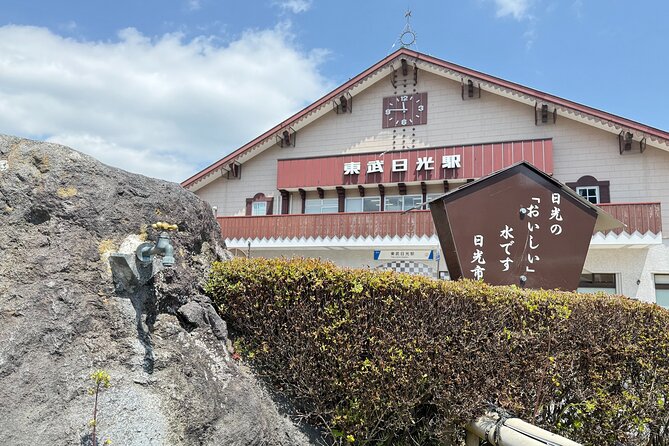
Meet at Tobu-Nikko Station, at 4-3 Matsubaracho, a practical starting point because the station is close to public transport and easy to identify. The tour does not include transportation from other parts of Japan, so you need to reach the station on your own.
The schedule is important. Be at the meeting point before the 11:30 start, since people arriving late around the 11:40 departure cutoff can have their reservations canceled. If your booking is tied to a round-trip arrangement from Shinjuku, the guide may be traveling from Tokyo that morning, and a short delay until about 11:35 can occur. Confirm the details with the operator if your day includes that connection.
The group uses public transportation during parts of the route. A seat is not guaranteed, so do not count on sitting during every transfer. One account of a Shinjuku-linked Nikko outing described a later-than-planned departure and a long train ride, while also noting that an express service was available. That is a good reason to check your exact train plan rather than assume every Nikko connection takes the same amount of time.
Kanmangafuchi Abyss and the Jizo statues
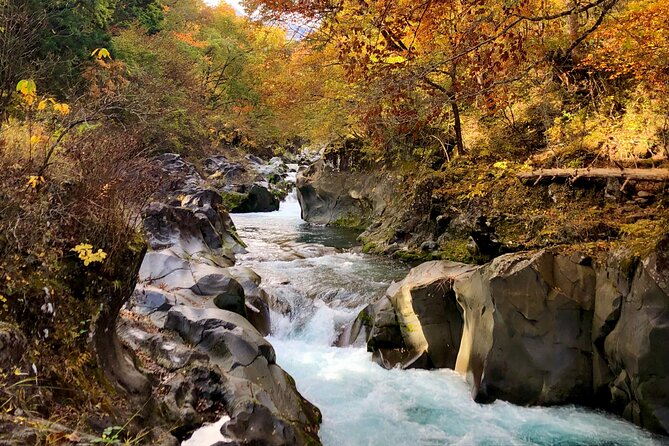
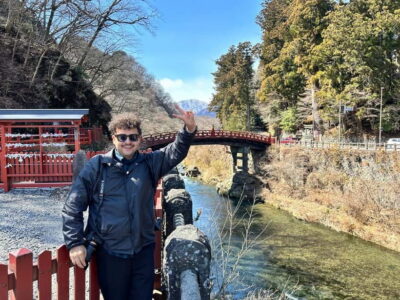
The first major stop is Kanmangafuchi Abyss, a small gorge formed by an eruption of Mount Nantai. The setting is quieter and more restrained than Toshogu, with the river and dark volcanic rock giving the visit a natural, reflective mood.
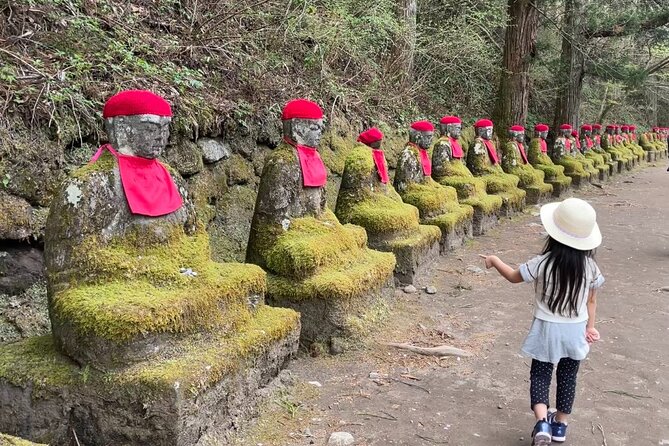
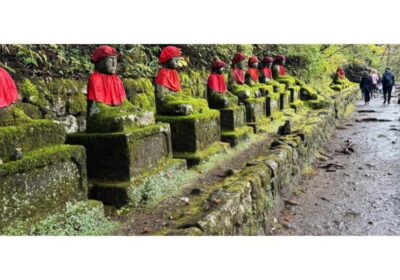
Along the river is a row of about 70 stone Jizo statues. Jizo is a Bodhisattva associated with the protection of children, and local legend gives the figures an air of mystery. The statues are the reason this stop feels different from the grand shrine later in the day. You are not simply looking at a decorated building. You are walking beside a line of weathered religious figures in a narrow riverside setting.
The planned stop is about 20 minutes, though the order and exact timing can change because of road conditions, ceremonies, events, or other local issues. Twenty minutes is enough to see the statues and hear their meaning, but not enough for a long, unhurried walk along every part of the gorge.
Take the practical warnings seriously. The route around Kanmangafuchi includes slopes and uneven walking, and the total tour distance can sometimes reach about 7 km if the full route is on foot. From April through November, land leeches may be present. Keep your legs covered, wear thick socks that reach above the ankles, and bring insect repellent.
In winter, roughly December through mid-March, or during bad weather, the guide may replace Kanmangafuchi with another Nikko attraction. Possible alternatives include Futarasan Shrine, Taiyuin Mausoleum at Rinno-ji Temple, Tamozawa Imperial Villa, the Toshogu Museum, Kanaya Hotel History House, or Nikko Botanical Gardens. This is a sensible safety change, but it means you should not treat the gorge as guaranteed.
Lunch with four different booking choices
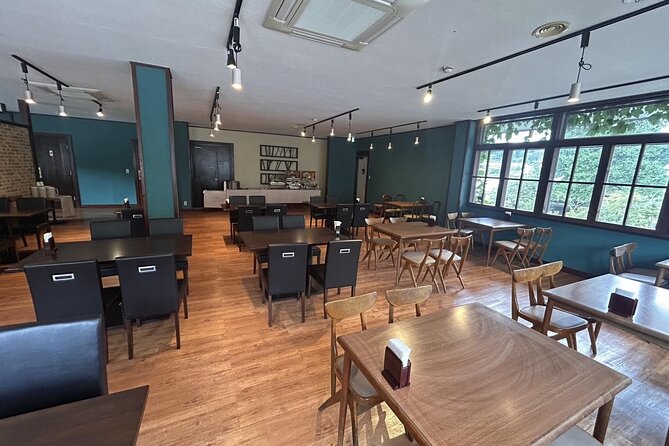
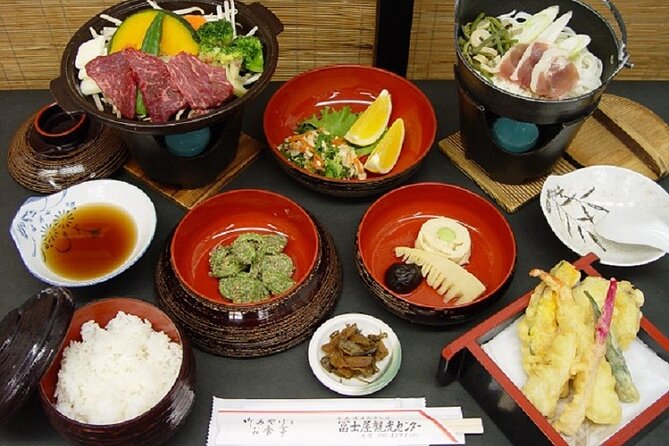
Lunch occupies about 50 minutes and is selected when you book. You can choose a standard Japanese-style meal with meat and fish, a vegetarian meal, an Indian Thali, or no lunch.
The standard option suits you if you want a conventional Japanese meal and have no meat or fish restrictions. The vegetarian option must be reserved in advance. Same-day changes are not accepted, so do not book the standard meal and hope to switch after meeting the guide.
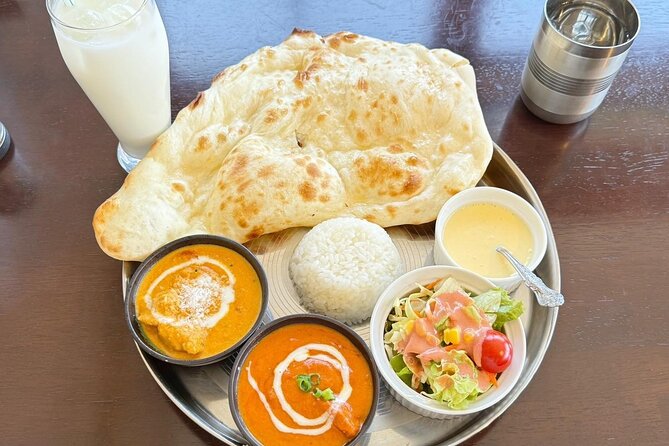
The Indian Thali includes butter chicken masala, coconut curry, naan, rice, salad, lassi, and dessert. If you want vegetarian curry or Muslim-friendly curry, tell the guide at the morning meeting. Still, the operator says allergy-friendly and gluten-free meals are not available, so this is not a good choice if you need strict dietary control.
The no-lunch plan costs less than a lunch-included option, but it requires more preparation. Cafes and restaurants near the rest area can be crowded, and the tour instructions recommend bringing food in advance. I would choose the no-lunch plan only if you already have a reliable meal plan.
Children up to age five may join free without lunch. If a young child needs a meal, book the child rate with lunch. Anyone under 18 needs written parental permission, and anyone under 15 or not yet in middle school must be accompanied by a parent or guardian.
Entering Nikko Toshogu Shrine
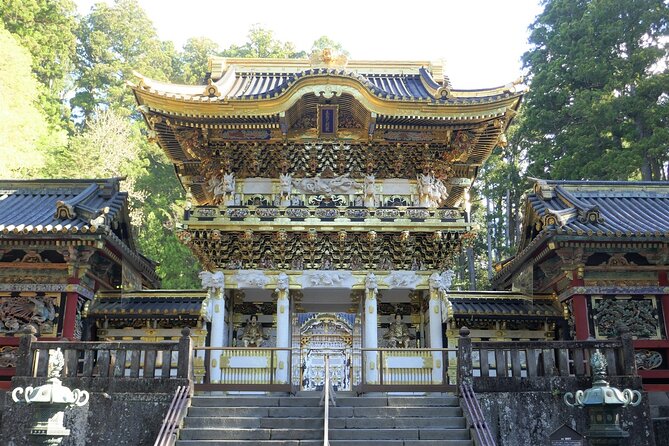
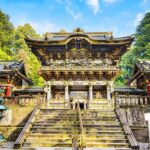
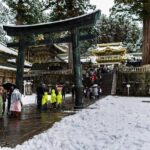
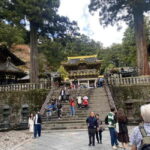
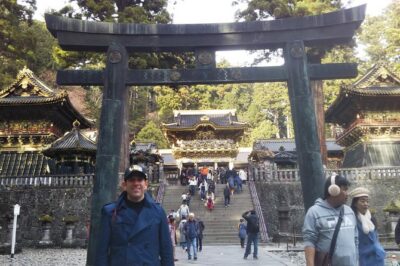
Toshogu is the visual high point of the walk. This UNESCO World Heritage site honors Tokugawa Ieyasu, the founder of the Tokugawa shogunate, and has more than 400 years of history behind its buildings and rituals.
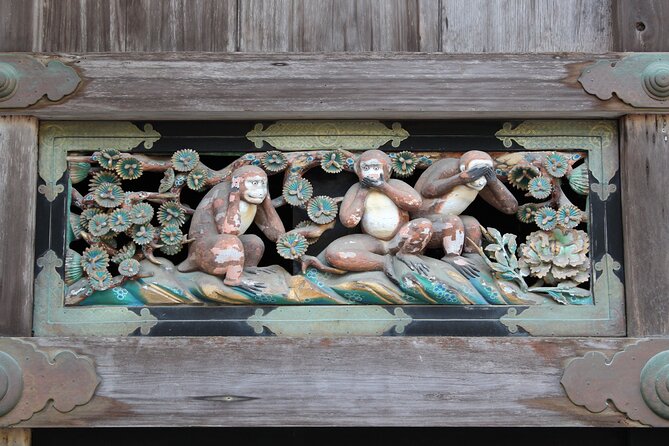
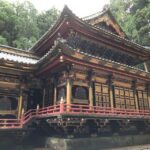
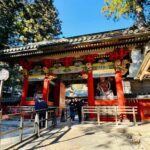
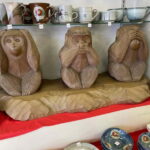
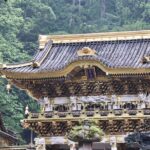
The shrine is famous for its ornate Edo-period decoration. Expect carefully preserved structures, strong colors, gold details, and intricate carvings. The most familiar images include the famous carved monkeys, but the larger pleasure is seeing how much decoration fills the gates, halls, and surrounding buildings.
The scheduled visit lasts about one hour and 20 minutes. That gives your guide time to explain the political and religious meaning of the site rather than simply point out the prettiest carvings. Nikko was a sacred center of mountain worship long before it became a major memorial to Ieyasu, and that connection helps explain why the setting feels both powerful and ceremonial.
Toshogu is also the busiest part of the day. The audio service becomes useful here. When a crowd blocks your view or the group has to spread out, you can still hear the guide’s explanation. I would keep your phone charged and use the service as instructed, since it helps prevent the usual problem of missing half the commentary in a packed shrine courtyard.
There are stairs and slopes around the shrine. The climb to Ieyasu’s grave includes about 207 steps, according to the practical information supplied for the visit. It is worth doing if your legs and schedule allow, but it is not a casual stroll. Build in time for the climb and do not wear shoes that pinch.
You must remove your shoes in some areas of Toshogu. Wear footwear that slips on and off easily, while still giving you firm support on the hills. A backpack is more practical than a shoulder bag because you will want both hands free on stairs and uneven paths.
Other walking tours we've reviewed in Nikko
What the guide adds
A good guide changes Nikko from a collection of beautiful objects into a place with a clear story. The licensed English-speaking guide can explain the Tokugawa connection, the role of Jizo, and the relationship between Nikko’s shrines and mountain worship.
The audio service is a useful extra rather than a replacement for the guide. It helps when the group cannot gather tightly, especially at Toshogu. The tour’s small-group limit also gives you a better chance to ask questions than you would have on a large coach outing.
Still, a group tour has limits. The pace is shared, and you cannot linger at one carving for half an hour while skipping another stop. The route order may also change. If you want complete control over photography, meals, and shrine timing, visit independently. If you want the meaning explained as you go, the guide is the main reason to pay for this outing.
Walking, weather, and seasonal planning
Treat this as an active walking tour, not a bus sightseeing trip. The published distance is about 5 km, but the route may reach about 7 km when transport cannot be used or conditions require an all-foot journey.
Wear shoes with solid grip. Bring water, a backpack, and layers suitable for mountain weather. The tour includes access to Japan’s spring water, but that should not replace carrying your own drink, especially if the day is warm.
Nikko’s weather can change, and winter conditions may make Kanmangafuchi unsafe. The substitute sites are not random filler. Futarasan Shrine and Taiyuin Mausoleum keep the focus on sacred Nikko, while Tamozawa Imperial Villa, the hotel history house, the museum, and the botanical gardens offer a different view of the town.
The replacement policy is one of the tour’s practical strengths, though it also makes the day less predictable. Book this if you care more about seeing meaningful Nikko sights safely than about checking off one fixed route.
Who should book this tour
I would recommend it to a first-time visitor who wants the major spiritual and historical sights explained in English. It suits people who appreciate a set route, need help with local transport, and want admission and lunch handled together.
It also suits anyone who wants more than the decorated gates of Toshogu. Kanmangafuchi provides a quiet counterpoint, and the two stops together show Nikko’s range, from volcanic river gorge to imperial-scale shrine.
You should think twice if stairs are difficult, if you need a fully accessible route, or if you dislike changing plans in bad weather. The tour requires moderate fitness, includes slopes, and may involve standing on public transport. It is also not ideal for strict food allergies because special allergy-friendly and gluten-free meals are unavailable.
The end point is Toshogu Shrine, not Tobu-Nikko Station. If you are joining a round-trip Shinjuku arrangement, ask the guide how to return to the station area. Otherwise, plan your onward route from Toshogu before the day begins.
Is the $85.12 price fair?
The value depends on what you would arrange yourself. The fee includes Toshogu admission, transportation used on the tour, a licensed English guide, and lunch if selected. That combines several small costs and removes much of the guesswork from a half-day in a spread-out sightseeing area.
The best value comes from the interpretation. Toshogu’s decoration is easy to admire without understanding, but the guide can connect the carvings, shrine buildings, Tokugawa power, and older mountain worship traditions. Kanmangafuchi adds an atmospheric stop that is easy to miss when planning only the famous shrine.
The price is less compelling if you already have a detailed Nikko plan, speak Japanese comfortably, or prefer a long lunch and free time. In that case, independent sightseeing gives you more control for less money.
Final verdict: book it if you want context with your walking
Book this tour if you want a focused introduction to Nikko that combines Kanmangafuchi’s quiet Jizo-lined gorge with Toshogu’s grand Tokugawa shrine. The guide, audio service, transport, and optional lunch make the day straightforward, and the small group keeps the format manageable.
Skip it if you need an easy, flat outing, strict meal customization, or a guaranteed visit to Kanmangafuchi in winter. For most reasonably fit visitors who want history explained rather than merely photographed, this is a strong half-day choice at a fair, though not bargain, price.
FAQ
Where does the tour begin?
It begins at Tobu-Nikko Station, located at 4-3 Matsubaracho, Nikko, Tochigi 321-1406.
What time does the tour start?
The scheduled start time is 11:30 a.m. Participants who arrive late around the 11:40 departure cutoff may have their reservations canceled.
Where does the tour end?
The tour ends at Nikko Toshogu Shrine, at 2301 Sannai, Nikko. It does not normally end at Tobu-Nikko Station.
How long does the experience last?
The tour lasts approximately four hours and 30 minutes.
How far do you walk?
The normal walking distance is about 5 km, or 3 miles. Depending on conditions, the entire route may be completed on foot and reach approximately 7 km.
Is lunch included?
Lunch is included only if you select the standard Japanese, vegetarian, or Indian Thali option. The no-lunch option does not include food.
What meals are available?
You can select a Japanese-style meal with meat and fish, a vegetarian meal, an Indian Thali, or no lunch. Same-day meal changes are not accepted.
Is Toshogu Shrine admission included?
Yes. Admission to Nikko Toshogu Shrine is included, along with transportation costs used during the tour.
What happens if Kanmangafuchi Abyss is unsafe to visit?
In winter or bad weather, the guide may replace Kanmangafuchi with Futarasan Shrine, Taiyuin Mausoleum at Rinno-ji Temple, Tamozawa Imperial Villa, Toshogu Museum, Kanaya Hotel History House, or Nikko Botanical Gardens.
More Historical Tours in Nikko

More Walking Tours in Nikko
More Nikko Day Trips in Nikko
More tours in Nikko we've reviewed
Nikko Day Trips, compared.
 ★ 4.6Nikko: Kegon Falls, Lake Chuzenji & Toshogu TempleFrom $8911 hours
 ★ 4.5Tokyo: Nikko Toshogu Shrine and Kegon Waterfall TourFrom $8410h 30m
 ★ 5.0Nikko Full-Day Private Tour with Government-Licensed GuideFrom $155
 ★ 4.9From Tokyo: Nikko World Heritage Site Private Full-Day TripFrom $4831 day
 ★ 4.3Nikko: Edo Wonderland Edomura Cultural Theme Park TicketFrom $351 day
 ★ 4.8Tokyo: Nikko World Heritage Private Day Trip Hotel Pick-upFrom $39011 hours - 1 day