
Twenty-five minutes on the JR Tokaido Line from Shinagawa puts you in the city where Japan first opened its doors to the West. Yokohama is the country’s second-largest city by population — about 3.77 million people, more than any single ward of Tokyo — and it has the largest Chinatown in Japan, the most ambitious waterfront redevelopment project the country has ever attempted, and a long list of small “firsts”: first daily newspaper, first ice cream, first gas-lit street lamp, first railway terminus. None of which fits in a guidebook headline. Most people know it as the city next to Tokyo with the Ferris wheel, which is a shame, because it’s a much better day trip than that suggests.
Until 1859, the place that became Yokohama was a fishing village of about a hundred houses on a sandbar. The Treaty of Amity and Commerce signed by Japan and the United States in 1858 forced the country to open five ports to foreign trade, and the Tokugawa shogunate, not wanting to expose the established highway town of Kanagawa to foreign merchants, built a brand-new port in the marshland across the bay. Within thirty years it was a Western-influenced international city. Within seventy it was the country’s second-largest. The whole place still has a faint air of having been built quickly to face the sea, which is part of the appeal.

In This Article
- Yokohama in thirty seconds
- Why Yokohama as a day trip
- Getting there
- Chinatown (Yokohama Chukagai)
- What to actually eat
- Kanteibyo and Masobyo temples
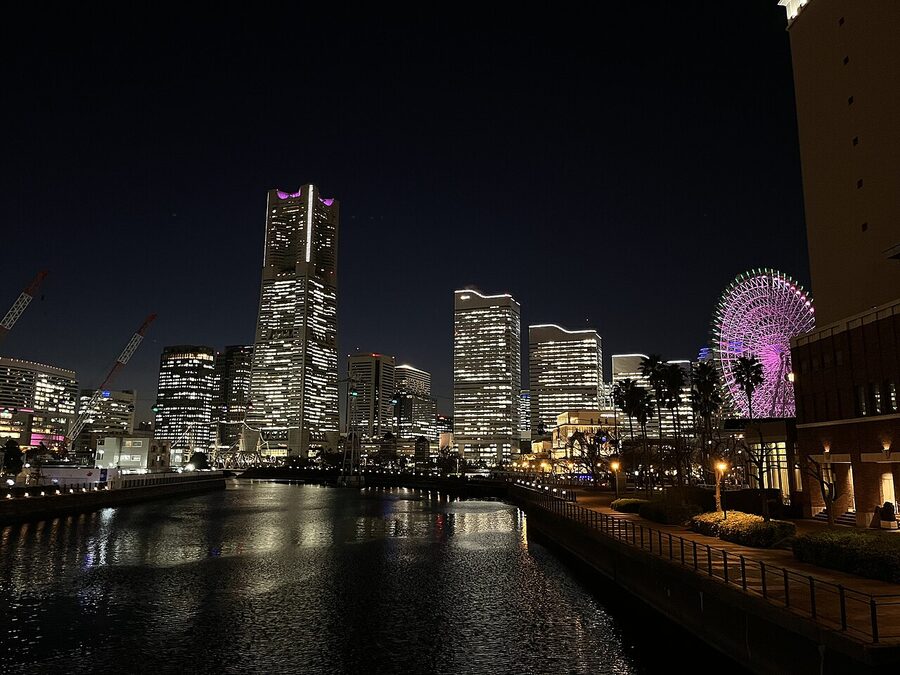
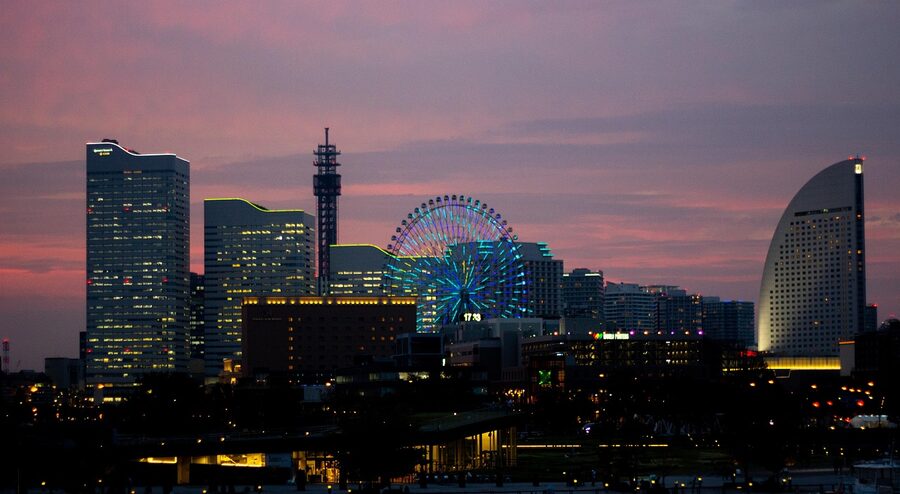
- Minato Mirai 21
- Landmark Tower
- Cosmo World and the Cosmo Clock 21
- Cup Noodle Museum
- Red Brick Warehouse
- Yamashita Park and the Hikawa Maru
- Sankeien Garden
- Shin-Yokohama Ramen Museum
- Half-day vs full day
- My Yokohama half-day plan
- When to come
- Practical info at a glance
- Useful links
Yokohama in thirty seconds
A working port city about half an hour south of Tokyo, with the country’s biggest Chinatown (around 500 shops and restaurants in roughly 0.2 square kilometres), a planned waterfront district called Minato Mirai 21 with a 296-metre observation tower and a giant Ferris wheel, the Cup Noodle Museum, two restored former customs warehouses from 1911 that are now shops and a Christmas market, a ship-lined park called Yamashita-koen, and a 175,000-square-metre traditional garden full of relocated historic buildings called Sankeien. You can do the central Minato Mirai loop plus Chinatown in half a day. A full day adds either Sankeien or the Shin-Yokohama Ramen Museum. None of it requires a Shinkansen, none of it requires a hotel.
Why Yokohama as a day trip
If you’ve already been told to do Kamakura and Hakone, you might be wondering why this list also has a city. Here is the pitch.
The first reason is that Yokohama is the closest place to Tokyo that doesn’t feel like Tokyo. It’s 30 km away. It is in a different prefecture (Kanagawa). It has a port, which Tokyo does not really have anymore in the same visible way. The streets are wider in places, the architecture is European in patches, and the international history that flowed through here for 150 years has left a residue that’s very specific. You won’t walk through Yokohama and think you’re still in Shibuya.
The second is the food. Yokohama is the home of Japanese-style yoshoku Western food, the birthplace of nappolitan spaghetti, the inventor of Iekei ramen (the rich pork-and-soy ramen style now everywhere in Tokyo), the proud owner of the country’s biggest concentration of regional Chinese restaurants, and the city behind the Shumai-bento that Kiyoken sells two million of a month at the station. You can plan an entire day-trip around eating and never run out of categories.
The third is that it’s the easiest day trip on this list. There’s no day-pass logic to memorise, no weather-dependent Hakone ropeway closure to plan around. You tap your IC card at any major Tokyo station, you’re in Yokohama in 25-30 minutes, and you tap out. That’s the entire transport plan.
Getting there
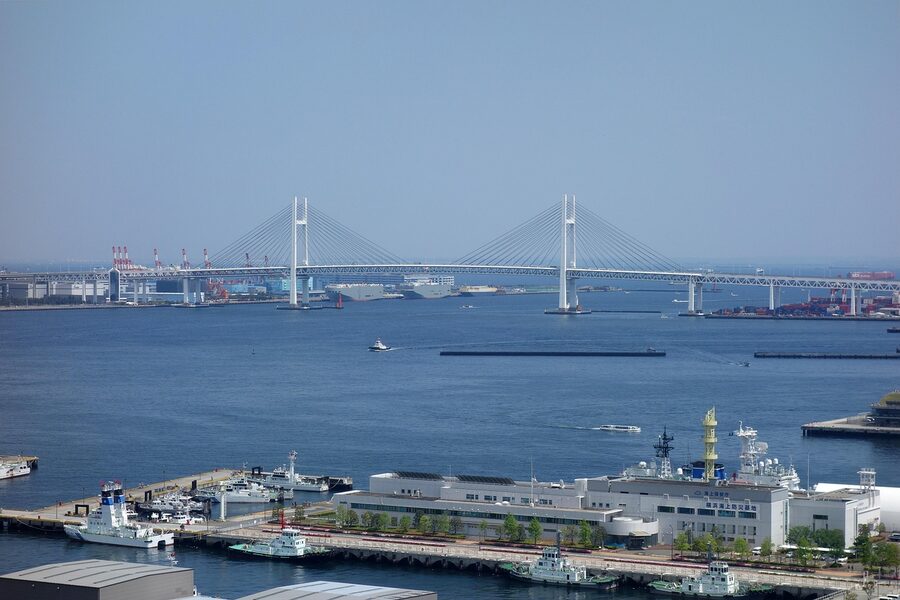
Four sensible options from central Tokyo, all under ¥600 and 35 minutes.
- JR Tokaido or Yokosuka Line from Tokyo Station: about 25-30 minutes, ¥490 one-way. The default for first-timers staying near Tokyo Station or Ginza. The Yokosuka Line continues on to Kamakura if you’re combining the two in one day. Both lines are covered by the JR Pass and the JR East Tokyo Wide Pass.
- JR Keihin-Tohoku Line from Tokyo Station: slightly longer (40 minutes) but useful because it stops at Sakuragicho, which is the gateway to Minato Mirai. Same ¥490.
- Tokyu Toyoko Line from Shibuya: about 30 minutes direct to Yokohama Station, ¥310. The cheapest option from Shibuya. The Toyoko Line continues underground as the Minatomirai Line to Minatomirai, Bashamichi (for Red Brick Warehouse), Nihon-odori (for Yamashita Park), and Motomachi-Chukagai (for Chinatown). If your day is going to circle through these places, just buy the Minatomirai One-Day Pass for ¥460 once you arrive at Yokohama Station and stop thinking about fares.
- Keikyu Main Line from Shinagawa: about 20 minutes, ¥320. The fastest option if you’re already at Shinagawa, and it runs continuously to and from Haneda Airport — useful if you’re flying in or out the same day.
I take the Tokaido Line nine times out of ten. It’s the most direct, the trains are frequent (every 5-10 minutes), and the ride passes through Kawasaki and over the Tama and Tsurumi rivers, which is a nice slow reveal of the urban edge.
One thing nobody tells you. “Yokohama Station” is not where you want to be. The interesting part of Yokohama is two-and-a-half kilometres east of Yokohama Station, around Sakuragicho and Minato Mirai. If you arrive at Yokohama Station you still need to switch onto either the JR Negishi Line or the Minatomirai Line for one or two stops. Many day-trippers don’t realise this and waste twenty minutes trying to find Chinatown directly from Yokohama Station. Get off at Sakuragicho if your aim is Minato Mirai, or stay on through to Motomachi-Chukagai if your aim is Chinatown.
Chinatown (Yokohama Chukagai)
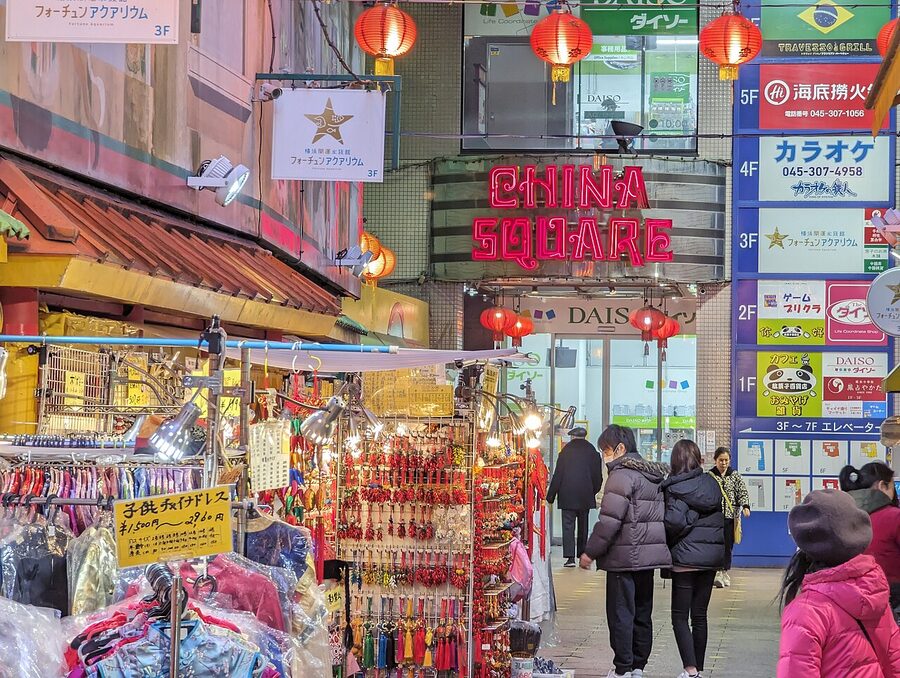
Yokohama Chinatown is the largest Chinatown in Japan and one of the largest in East Asia. It covers roughly 0.2 square kilometres and has somewhere around 500 businesses inside it — the exact number changes monthly because turnover is constant. It traces back to 1859, when Chinese merchants arrived alongside the Western traders pouring into the new port. The legal status of Chinese residents wasn’t formalised until 1867, but they had already built a community around what was then called the “swamp settlement”, which was the part of the foreign concession with the worst land. They put up a Chinese-style temple to Guan Yu (the Kanteibyo), opened restaurants and herbal medicine shops, and the place grew. By the late 19th century roughly half of all the Chinese people living in Japan lived in Yokohama.
The four large gates around the perimeter are the easiest way to orient yourself. Once inside, the streets are laid out roughly on a grid, with the main north-south avenue being Chukagai Odori. The east-west cross-street is China-mon Dori. The whole grid takes about 25 minutes to walk end-to-end without stopping. With stops it can absorb a whole afternoon.
What to actually eat
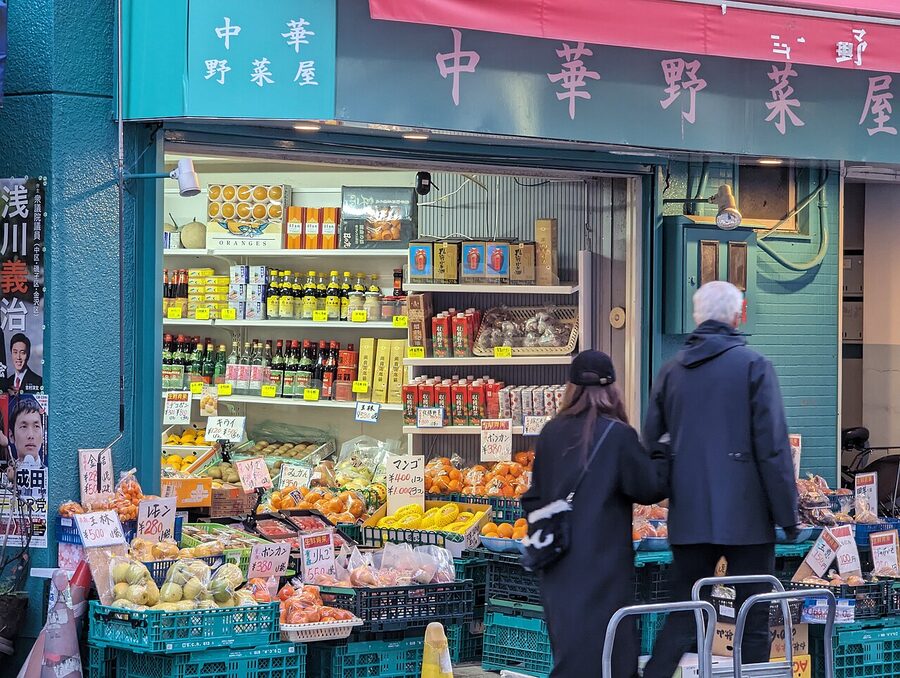
One thing to know up front: Chinatown has both genuine regional Chinese food and tourist-trap pan-Asian buffets, and they’re right next to each other. The buffets advertise “all-you-can-eat for ¥1,800” in big windows. Skip them. The food is industrial and you will spend an hour digesting things you didn’t want to. The good stuff is in restaurants without the giant English banners.
Five things worth eating that you can’t easily get in Tokyo:
- Nikuman from Edosei or Rojuki. Big steamed pork buns, ¥500-600 each, eaten standing up off a paper wrapper. Edosei’s have been the benchmark since 1894. The queue moves fast.
- Pan-fried xiaolongbao (yakishoronpo). The Yokohama variation puts the soup-filled dumpling in a hot pan and sears the bottom. Bao Bao at the south gate does them in sets of four for around ¥800. Eat carefully — the soup is molten.
- Roast goose at Heichinrou. Heichinrou is the oldest Cantonese restaurant in Japan, founded in 1884. The lunch course at around ¥3,500 includes the roast goose plate; the dinner course is closer to ¥8,000. Worth booking.
- Sichuan mapo dofu at Keitokurin or Chuka Banten. Properly numbing. Genuine Sichuan peppercorn. Around ¥1,500 a plate.
- Egg tarts and almond cookies from any of the bakeries on Chukagai Odori. You buy a small bag of warm tarts and walk. ¥150-200 per tart.
The other thing to know: lunchtime queues at the famous places (Edosei, Manchinrou, Heichinrou) start by 11:30 on weekends and don’t ease until 14:00. If you’re here for lunch and it’s a Saturday, eat at 11:30 sharp or wait until 14:30.
Kanteibyo and Masobyo temples
Two Chinese-style temples sit inside the Chinatown grid. The Kanteibyo (Guan Yu temple) is the larger and older one — the original was built in 1873 by the early Chinese community to honour the deified Three Kingdoms general Guan Yu, patron of merchants and martial virtue. The current building is a 1990 reconstruction after a 1986 fire; the rebuilding became a kind of community reset, and it’s the moment the post-war split between the mainland and Taiwanese Chinese communities started to mend. Free to enter the courtyard. ¥500 for incense if you want to offer it.
Masobyo, the Mazu temple in the southeast corner of Chinatown, is dedicated to the Chinese sea goddess and was built in 2006. It’s the newest major structure in Chinatown and feels like it — the gold and crimson are still bright. Both are free to enter and worth the five minutes each.
Minato Mirai 21
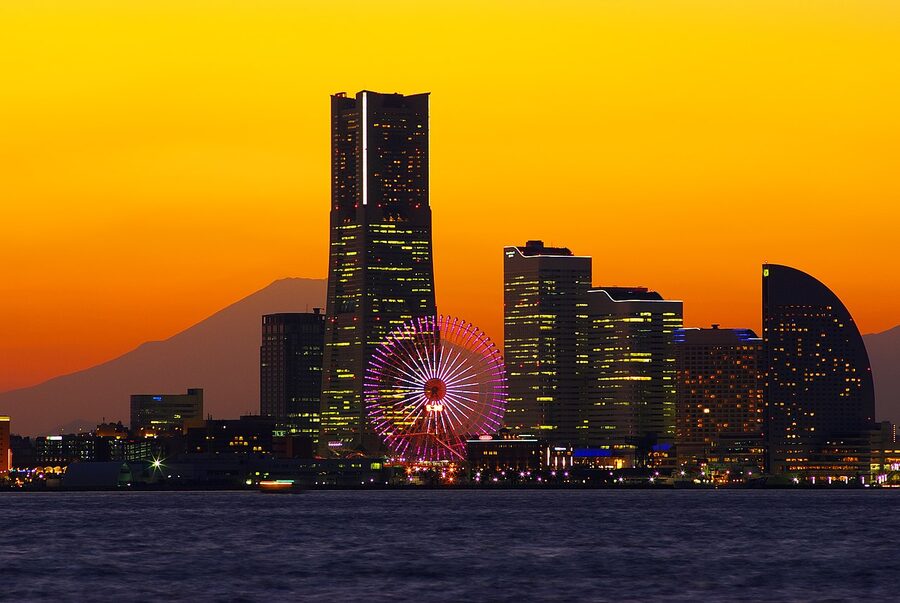

Minato Mirai 21 (literally “Harbour of the Future, 21”) is the planned waterfront district that occupies the area between Sakuragicho Station and the harbour. Until the 1980s it was a Mitsubishi Heavy Industries shipyard. The redevelopment began in 1983, opened to the public in time for the 1989 Yokohama Exposition (YES’89), and has been adding buildings ever since. The original master plan was for 19 million square metres of office and residential floor space, with day-time and night-time populations balanced; today it’s probably the most successful planned waterfront in Japan.
The reason it matters as a day-tripper is that almost everything in Minato Mirai is walkable from Sakuragicho Station. You can do the whole loop — Landmark Tower, Cosmo World, Cup Noodle Museum, Red Brick Warehouse, Yamashita Park — in about 5 km of slow walking, with the harbour on your right the entire time.
Landmark Tower
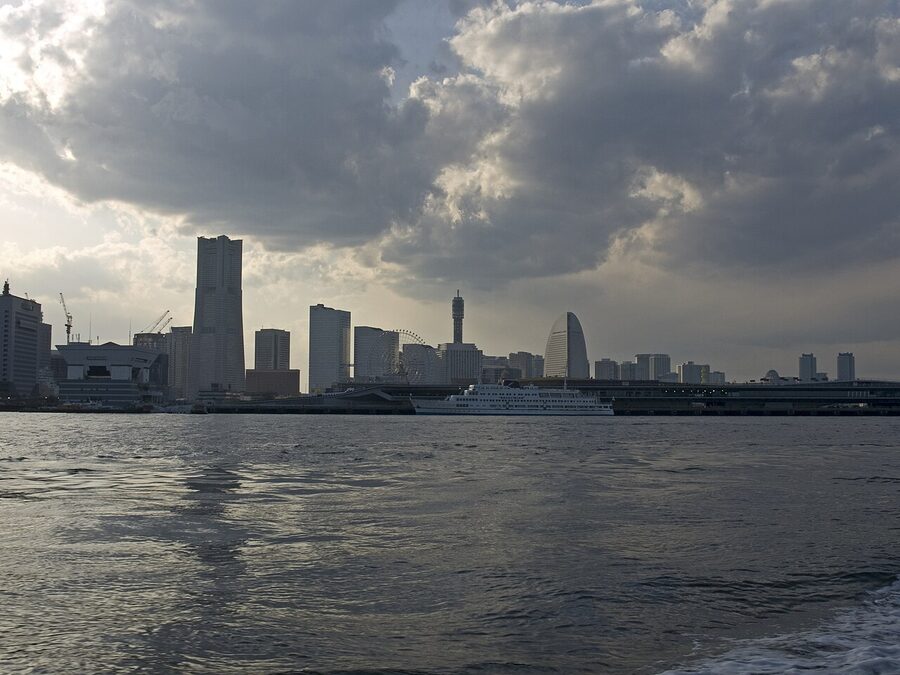

The Sky Garden observation deck on the 69th floor of the Landmark Tower costs ¥1,000 for adults and gives you a 360-degree view of the bay, the city, the surrounding industrial port, and on a clear day the silhouette of Mt Fuji. Open 10:00 to 21:00, until 22:00 on Saturdays. The view at sunset is the one to time for.
Here is the trick I’d tell a friend: don’t always pay the ¥1,000. The Yokohama Royal Park Hotel occupies floors 52-67 of the same Landmark Tower, and the Sirius Sky Lounge bar on the 70th floor is technically two floors above the paid observation deck. A drink there will run you ¥1,500-2,000, which isn’t much more than the Sky Garden ticket, and the view is identical and you get to sit down with a Yebisu in your hand. The official Sky Garden has a wider window of opening hours and is better for daytime, but for sunset the bar is the move.
Cosmo World and the Cosmo Clock 21
Cosmo World is the small amusement park sitting at the harbour edge between Landmark Tower and the Red Brick Warehouse. The headline attraction is the Cosmo Clock 21, the 112.5-metre Ferris wheel that doubles as the world’s largest clock. When it opened for the YES’89 exposition it was the world’s tallest Ferris wheel, and the gondolas tick over the bay digits in five-second intervals. Entry to the park is free; you pay per ride. The Ferris wheel is ¥900, takes 15 minutes for one rotation, and is the canonical evening activity. Also worth knowing: the Diving Coaster Vanish is ¥800 and quite scary, and the haunted house is genuinely unpleasant if that’s your thing.
Cup Noodle Museum
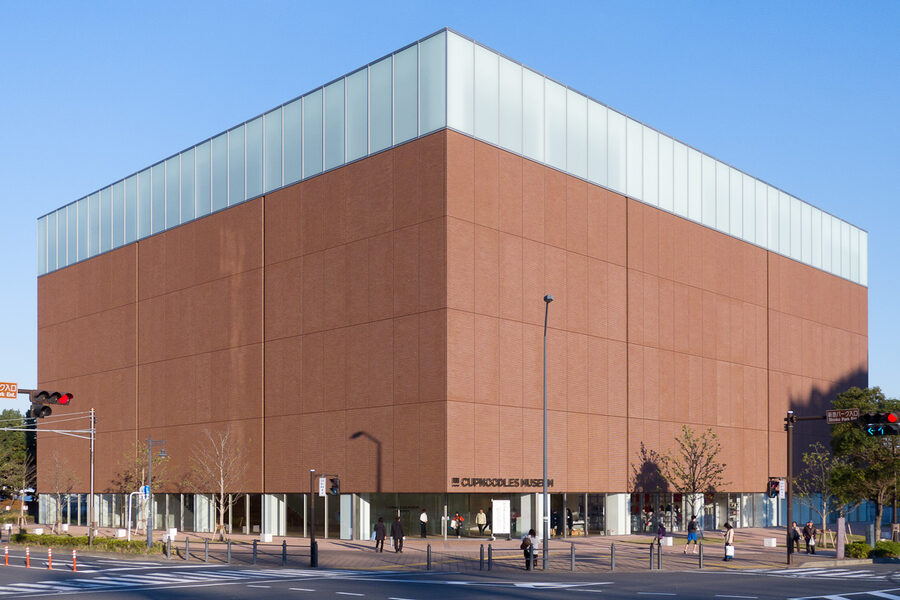

The Cup Noodle Museum tells the story of Momofuku Ando, the Taiwanese-Japanese inventor who came up with instant ramen in 1958 (Chicken Ramen) and the cup noodle in 1971. The museum opened in 2011 to mark his hundredth birthday. Admission is ¥500 for adults, free for high schoolers and under.
The static exhibits are interesting if you’re into industrial design history — there’s a recreation of the garden shed in Ikeda where Ando invented the original Chicken Ramen, and a wall of every Cup Noodle variant ever sold. But the real reason to come is the My Cup Noodles Factory, where for ¥500 you design your own cup noodle. You decorate the cup with markers, choose one of four soups (original, curry, seafood, chilli tomato), pick four toppings from a selection of about a dozen, watch the lid get sealed on by an air-pressure machine, and walk out with a personal cup of noodles in a clear inflatable carrier. It’s much more fun than I’d expected the first time. Children love it; adults secretly love it more.
One catch: the My Cup Noodles Factory has timed-entry slots and they sell out by lunchtime on weekends. Reserve online a day in advance through the museum website during peak season. On weekdays in autumn or winter you can usually walk up at any time.
The other workshop, the Chicken Ramen Factory, lets you make ramen noodles by hand from flour and water. ¥1,000, takes 90 minutes, and is the better activity if you’ve got the time. Reservations are mandatory.
Red Brick Warehouse
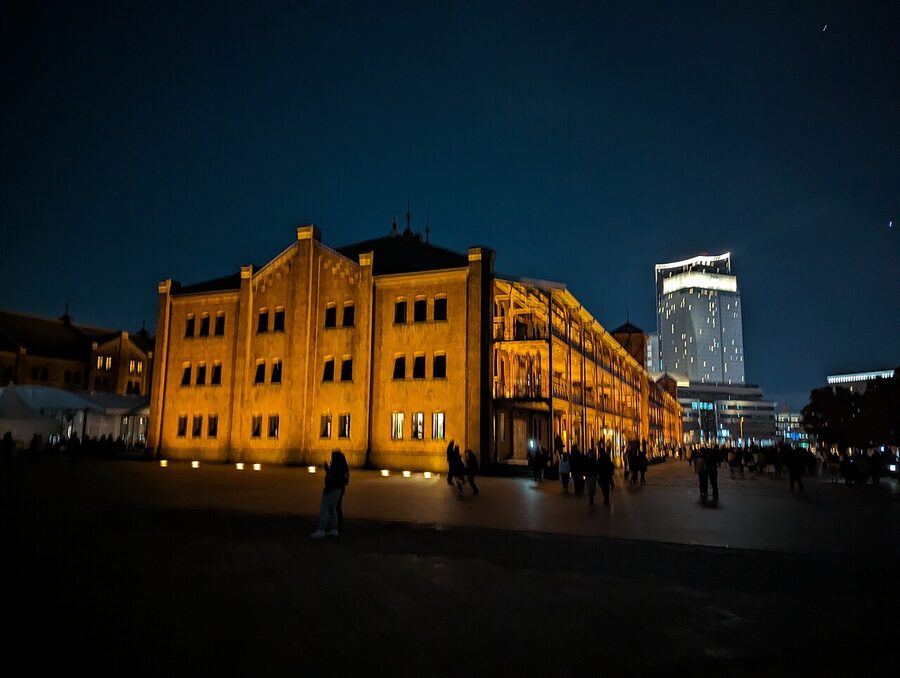
The Red Brick Warehouse, or Aka-Renga Soko, is two adjoining brick buildings on the waterfront just east of Cosmo World. Originally part of the New Pier development that handled customs inspections for the international port, they were completed in 1911 and 1913 and continued to be used as customs warehouses until 1989. Yokohama City bought them in 1992, restored them over a decade, and reopened them in 2002 as a shopping and dining complex.
The two halls are now full of small, mostly Japanese-design shops — a lot of regional craft, glassware, leather goods, that level. The northern building (Warehouse No. 1) is also a venue for occasional exhibitions and concerts; the southern building (Warehouse No. 2) is more retail. There are about a dozen restaurants between the two, mostly mid-range cafes and casual European places. The food isn’t the reason to come, but the building is genuinely beautiful, and the harbour-side terrace at sunset is one of the better free views in the city.
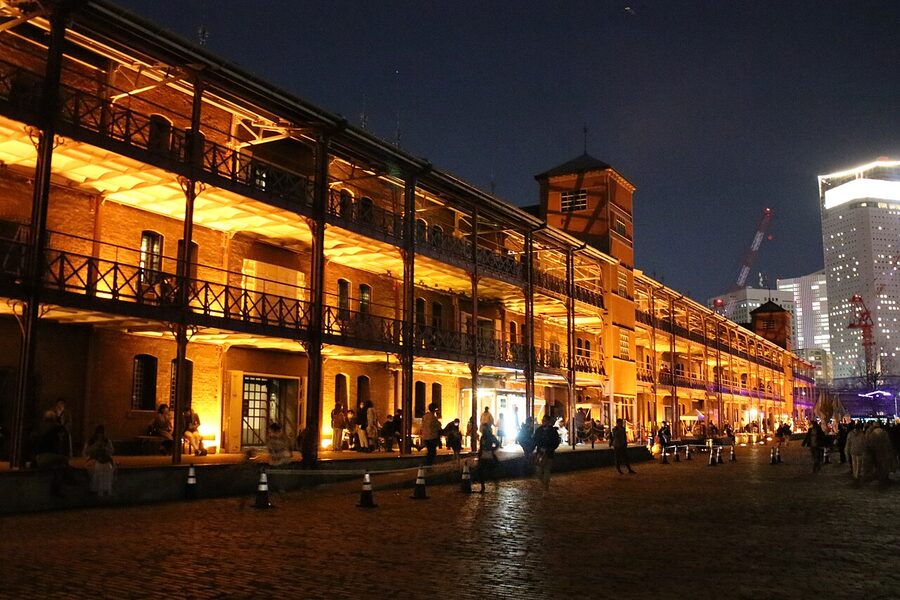

The Christmas Market is a genuine annual event, runs from late November through 25 December, and gets crowded after dark from about 17:00 onwards. If you’re here in December, time your day so you arrive at the warehouse around 16:30 for the daylight-to-dusk transition.
Open 11:00 to 20:00 most days; restaurants run later. A 6-minute walk from Bashamichi Station on the Minatomirai Line, or about 10 minutes from Sakuragicho on foot via the Kishamichi Promenade.
Yamashita Park and the Hikawa Maru
.jpg)
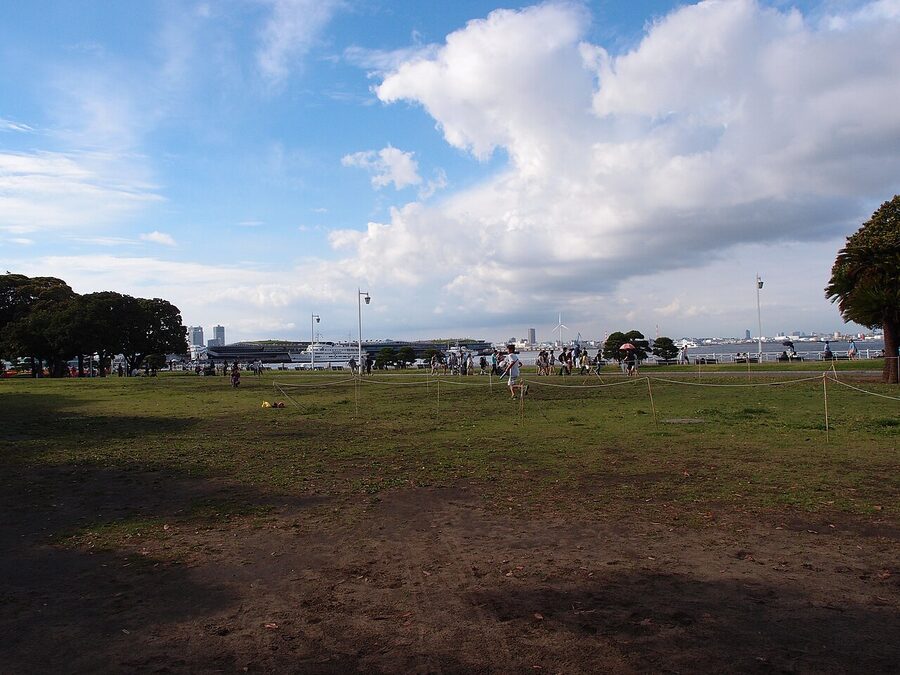
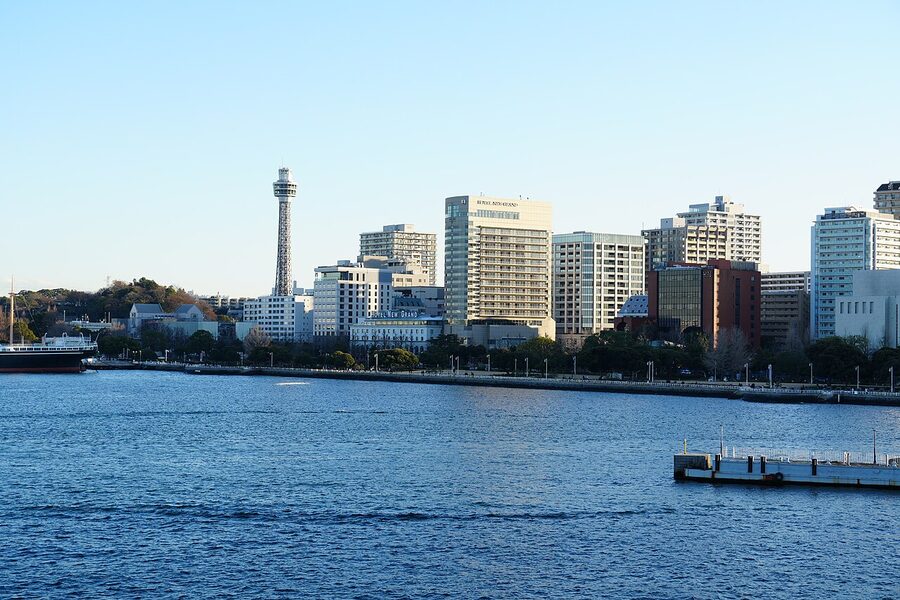
Yamashita Park is a long, narrow seafront park stretching about 700 metres along the bay between Osanbashi Pier and the Marine Tower. It’s the spiritual centre of the historic Yokohama port — opened in 1930 on land reclaimed from the rubble of the 1923 Great Kanto earthquake. The park itself is free, has wide harbour-view benches, a few rose gardens that bloom in spring and autumn, and a couple of monuments including the Indian Water Tower (a thank-you gift from Indian residents after the 1923 earthquake) and a statue of the Little Girl with Red Shoes from a famous Japanese children’s song set in Yokohama.
What makes the park more than just a strip of grass is the Hikawa Maru, a 1930-built ocean liner permanently moored at its eastern end. The ship was the flagship of the NYK Line on the Yokohama-Seattle route from 1930, served as a hospital ship during World War II (one of the few major Japanese ships to survive the war), then went back to passenger service until 1960. She’s now a floating museum.
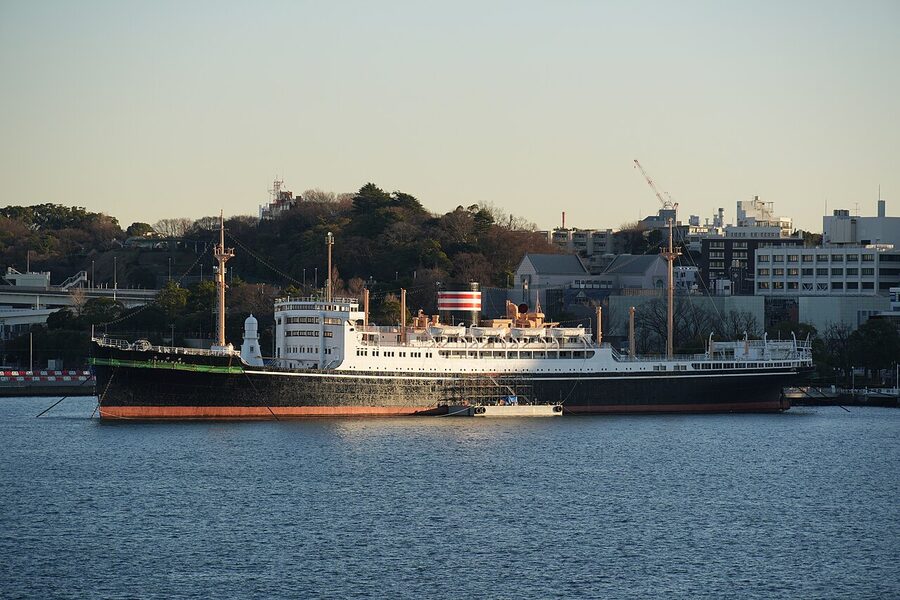
Admission to the Hikawa Maru is ¥300 (¥200 for over-65s, ¥100 for high schoolers). Open 10:00 to 17:00, closed Mondays. You can walk the entire length of the ship, including the Art Deco First Class smoking room, the bridge with all its original brass instruments, and down into the engine room. It takes about an hour. If you have a soft spot for old ships or pre-war design, this is one of the best small museums in Japan; if you don’t, it’s still ¥300 well spent.
Sankeien Garden
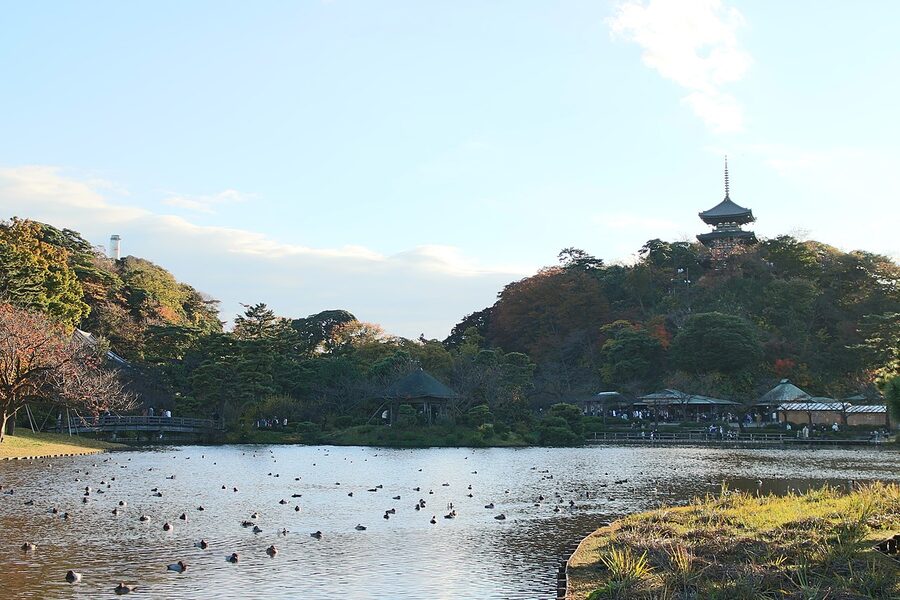

Sankeien is a 175,000-square-metre traditional Japanese garden in the south-eastern part of the city, built between 1902 and 1922 by Hara Tomitaro, a silk merchant who made his fortune in the early international trade and spent it on relocating historic buildings from Kyoto, Kamakura, and elsewhere into one purpose-built landscape. He opened the outer half of the garden to the public in 1906, kept the inner half private, and donated the whole thing to the city in 1953 after his family had taken severe losses in the war. The current garden has 17 historic structures inside it, ten of which are designated Important Cultural Properties.
The standouts are a three-storey pagoda from 1457 brought from the Tomyoji temple in Kyoto (it’s the oldest surviving wooden pagoda in the eastern Kanto plain), a 17th-century daimyo residence (the Rinshunkaku from Wakayama), and a 1611 farmhouse from Gifu prefecture (Yanohara House) that has been reassembled timber by timber. You can walk around the inside of most of them. The total walking circuit is about 2 km and takes an unrushed 90 minutes; tea houses along the route serve seasonal wagashi and matcha for around ¥800.
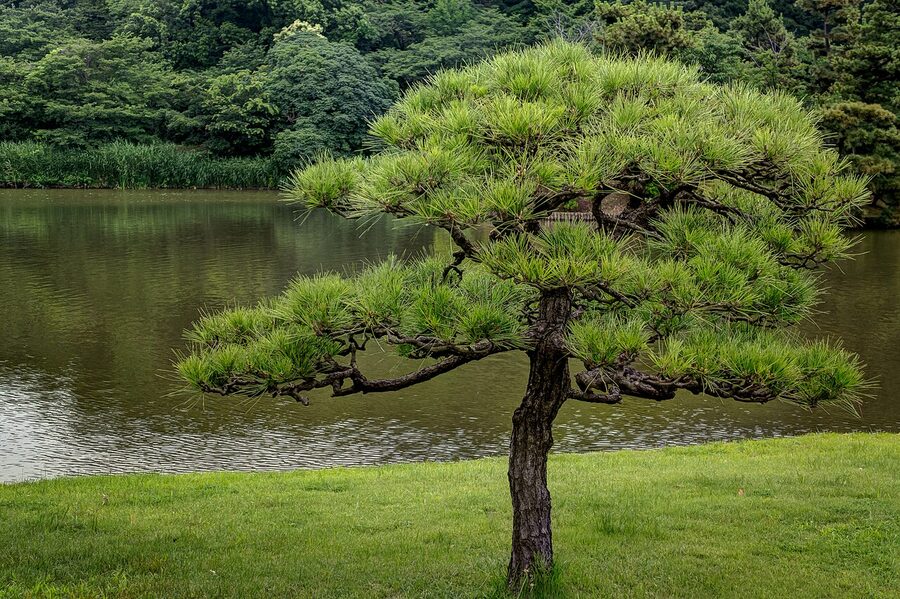
Admission is ¥900 for adults, ¥200 for under-12s. Open 09:00 to 17:00. Closed 26-31 December. Getting there is the awkward part — it’s a 10-minute bus from Negishi Station (one stop south of Sakuragicho on the JR Negishi Line) on the Yokohama City Bus 58 or 99. From central Yokohama Station the total journey is about 35 minutes door-to-door including the bus wait. Plan for the round trip to eat at least 2 hours of your day, on top of however long you spend in the garden itself.
Worth saying: if your Japan trip already includes a couple of days in Kyoto, Sankeien is interesting but not essential. If you’re not making it to Kyoto, this is the closest you’ll get to that kind of garden experience without leaving the Tokyo area, and you should make the trip. November is the absolute peak.
Shin-Yokohama Ramen Museum
Shin-Yokohama is on the other side of the city, near the Shinkansen station of the same name — not within walking distance of Minato Mirai. The Shin-Yokohama Ramen Museum is a five-minute walk from Shin-Yokohama Station and is one of the few attractions in this article that you’d travel specifically for.
The format is unusual. The museum is a three-storey building with a recreated 1958 Showa-era street running across the basement two floors. Nine ramen shops from around Japan rotate through the museum (representing styles from Hokkaido to Kyushu, including regional shops you’d otherwise have to travel hundreds of kilometres to try). Above ground there’s a small museum about the history of ramen.
You pay ¥450 admission. Each bowl of ramen costs whatever the individual shop charges — usually ¥800-1,200. Most shops do mini bowls (about half-size) for ¥600 if you want to try multiple. Three or four mini bowls is achievable in one visit; full bowls limit you to one or two.
The Showa-era street setting is a real production — period film posters, period vending machines, period background music. It tips into theme-park territory if you’re not into it. If you are, it’s a brilliant lunch destination. Open 11:00 to 21:00 (often shorter on weekdays). Closed irregularly — check the website. Shin-Yokohama Station is a 16-minute Yokohama Line ride from Yokohama Station, or you can come directly from Tokyo on the Shinkansen if you’ve got a JR Pass (Shinagawa to Shin-Yokohama in 11 minutes).
Half-day vs full day
If you’ve only got a half-day, do Minato Mirai plus Chinatown and don’t try to add anything else. The walking distance between Sakuragicho and Motomachi-Chukagai stations is about 3 km in a straight line, more like 4 km if you stay along the harbour, and you’ll want at least an hour for lunch in Chinatown and an hour for whatever observation tower or museum you choose. Five hours from arriving at Sakuragicho to leaving Motomachi-Chukagai is a reasonable minimum.
If you’ve got a full day, add either Sankeien (the cultural option, half a day in itself with transit) or the Ramen Museum (the easy option, 90 minutes including transit). Don’t try to add both. Yokohama is bigger than it looks on the map, and burning through six things in one day means seeing none of them properly — I’ve done this and regretted it.
You can also combine Yokohama with Kamakura in a long single day if you’re willing to skip the gardens. The JR Yokosuka and Tokaido lines connect them in 25 minutes; a morning in Kamakura plus an afternoon in Yokohama for Chinatown dinner is a manageable single day. I would not try Yokohama plus Hakone in one day — Hakone is too transit-heavy.
My Yokohama half-day plan
If somebody asked me to plan their Yokohama afternoon tomorrow, this is what I’d give them.
- 11:30 — arrive at Sakuragicho on the JR Tokaido Line. Take the moving walkway from the station to the Landmark Tower (it’s a covered elevated walkway and a small attraction in itself).
- 11:45 — Cup Noodle Museum. Make-your-own cup noodle workshop (book a 12:00 slot online the day before). About 60 minutes total.
- 13:00 — lunch at the Red Brick Warehouse, or grab something light and walk through.
- 14:00 — harbour walk along the Yamashita Park promenade. Stop on the Hikawa Maru for an hour. About ¥300 entry, takes 60 minutes.
- 15:30 — arrive at Chinatown. Walk the four cardinal gates clockwise, stop at Edosei for nikuman, browse the side streets.
- 17:00 — back to Minato Mirai for the sunset. Either the Sky Garden on the 69th floor of Landmark Tower (¥1,000) or the Sirius bar on the 70th. Stay until 18:00 for the city lights coming on.
- 18:30 — dinner in Chinatown (Heichinrou for the splurge, Manchinrou Honten for old-school dim sum, or any of the Sichuan places along Yamashita-cho), then back to Tokyo.
Total spend, excluding food and your own train fare: about ¥1,800-2,300 in entry fees. Total walking: maybe 7 km.
When to come
Yokohama is a year-round day trip and there’s no season I’d actively avoid. But there are a few specific things worth timing for.
- April: cherry blossoms along the Ooka River and at Yamate, which is the old foreign-residential hill above Motomachi. Less famous than the Tokyo blossom spots, much less crowded.
- Mid-November to late December: the Christmas Market at the Red Brick Warehouse, the city-wide Smart Illumination winter lights festival in late October-early November, and autumn maples at Sankeien.
- First Saturday of August: the Yokohama Sparkling Twilight fireworks festival at Yamashita Park — about 8,000 fireworks over the bay. Crowds are intense; arrive by 16:00 if you want a viewing spot. See my guide to Tokyo fireworks festivals for context.
- 3 June: the Port Opening Festival, when the city marks the 1859 opening of the harbour. There’s a parade through Chinatown and free entry to a few of the historical buildings.
I would not specifically time a trip for either of the two big Chinatown festivals (Lunar New Year in late January or early February, and the Mid-Autumn Festival in September) unless you’re already going to be in Tokyo. Both bring serious crowds and the streets become unwalkable for an hour at peak.
Practical info at a glance
- Distance from central Tokyo: about 30 km by train, 25-35 minutes door-to-door from any major Tokyo station
- Transport pass: don’t bother unless you’re using the Minatomirai Line a lot. The Minatomirai One-Day Pass is ¥460 and pays back after about three rides. JR Pass and JR Tokyo Wide Pass both cover the JR routes.
- Typical day budget: ¥3,000-5,000 for entries plus ¥3,000-5,000 for food and drink, plus ¥1,000-1,500 in train fares. So roughly ¥7,000-12,000 per person for a full day.
- Best base stations to start from: Sakuragicho (for Minato Mirai), Bashamichi (for Red Brick Warehouse), Motomachi-Chukagai (for Chinatown), Negishi (for Sankeien), Shin-Yokohama (for the Ramen Museum)
- Tourist information: there’s a multilingual office inside Sakuragicho Station and another at the Silk Centre near Yamashita Park. Both have free English maps.
- Coin lockers: plentiful at Yokohama Station and Sakuragicho. Standard ¥400 for medium, ¥700 for large.
- Wheelchair accessibility: Minato Mirai is unusually good. The whole waterfront promenade is step-free. Sankeien has gravel paths and isn’t fully accessible.
Useful links
- Yokohama Official Visitors’ Guide: welcome.city.yokohama.jp
- Yokohama Chinatown Development Association: chinatown.or.jp
- Minato Mirai 21 official site: minatomirai21.com
- JR East timetables and fares: jreast.co.jp/e
- Sankeien Garden: sankeien.or.jp/en
If you’ve got more time in Tokyo and want to see how Yokohama compares to the other half-day and full-day options, my three-day Tokyo itinerary includes one of these as a built-in side trip, and the JR Pass guide covers whether the various passes are worth it for trips out of the city.
One small thing I’ll leave you with. Yokohama is the kind of city you go to expecting a half-day and end up wishing you’d given a whole one. The first time I went I gave it three hours, didn’t see Chinatown, and spent the train ride home cross with myself. Don’t do that. Five hours is the floor.