
The Suica card has a penguin on it. A cartoon penguin in a pastel-green scarf, looking vaguely embarrassed to be the mascot of Tokyo’s largest transport network. You tap the card on a gate reader and you hear a rising two-note chime — not a beep, not a ding. A small polite chirp. Do it right and you’ll hear it thousands of times on your trip. Do it with an empty balance and the pitch drops, the gates slam shut, and the person behind you has to stop walking. I’ve done the empty-balance slam twice, once at Shibuya at 9am. The penguin does not save you.
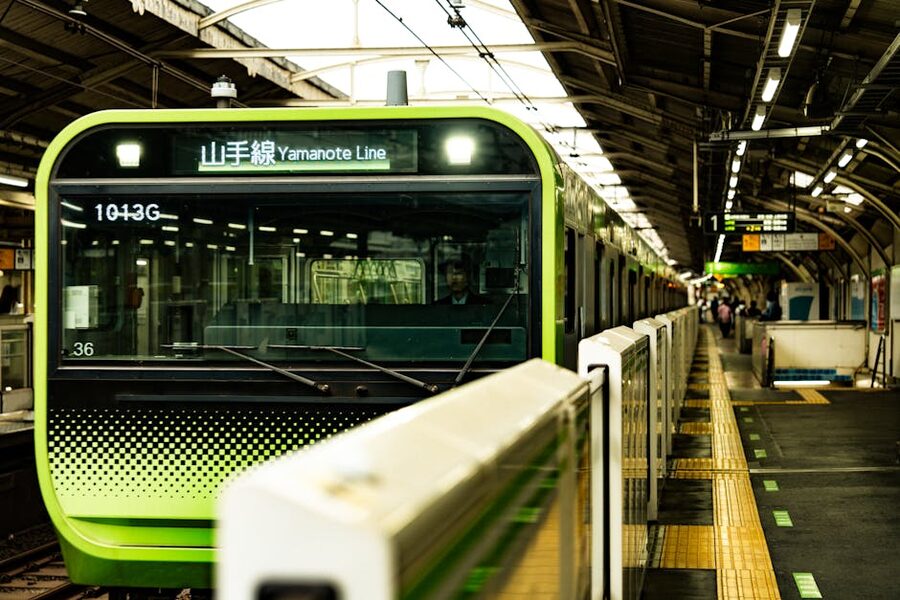
Tokyo’s train network is one of the most densely used in the world — about 40 million rides a day across the whole metro area — and it genuinely does work on a level that will ruin public transport for you back home. But it is also not one system. It’s three main operators plus a tangle of private lines, and the difference between them matters more than the people writing “just get a Suica and you’ll be fine” let on. This guide is what I wish I’d had when I first tried to work out why my ticket from Narita didn’t let me through the gates at Omotesando.
I’ll walk through the Yamanote Line first (understanding that line makes everything else click), then the three operators, then IC cards, then the tourist pass nobody really needs, then the actual day-to-day of reading signage, rush hour, etiquette, and the stations that break people’s spirits. If you read one thing, read the Yamanote bit. The rest is easier once the loop makes sense.
In This Article
- The one thing to understand first: the Yamanote Line is the circle
- The three operators (and why nobody tells you)
- JR East
- Tokyo Metro
- Toei Subway
- IC cards — Suica and Pasmo
- Welcome Suica — the tourist version
- Mobile Suica on iPhone
- How to buy a physical Suica
- What else the card pays for
- The Tokyo Subway Ticket — when it’s actually worth it
- The JR Pass doesn’t cover Tokyo Metro (or Toei)
- Reading station signage (the letter-and-number system)
- Google Maps is your navigator
- Rush hour is real
- Etiquette — the rules nobody prints
- Women-only carriages
- Getting lost (you will, and it’s fine)
- The hardest stations: Shinjuku, Shibuya, Tokyo
- Tickets vs IC cards
- Late-night trains and what to do after
- Practical info
- Official sources
- If I could only tell you three things
The one thing to understand first: the Yamanote Line is the circle
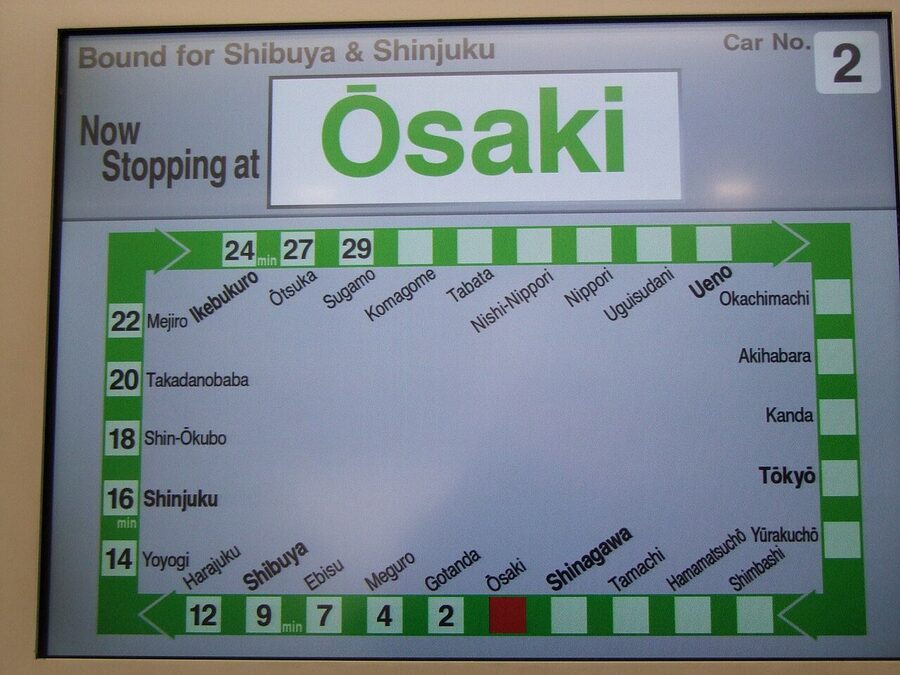

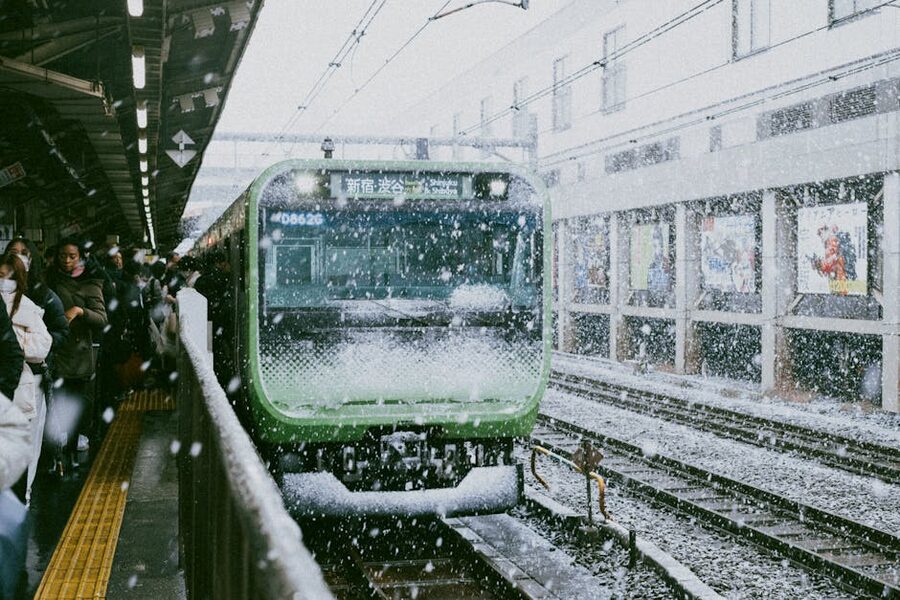
Forget the spaghetti of the full subway map for a second. Picture a green circle. That’s the JR Yamanote Line and it is your single most important piece of Tokyo transport furniture. It runs in a loop — clockwise or anti-clockwise, your choice — and it stops at almost every district name you came here to visit: Shibuya, Shinjuku, Ikebukuro, Ueno, Akihabara, Tokyo Station, Shimbashi, Shinagawa, Harajuku. A full circuit takes about an hour and the trains come every 2-4 minutes from early morning to around midnight. The trains are green-and-cream and look exactly the same going either way, which is its own small user-experience crisis the first few times (I once rode Yamanote in the wrong direction for 40 minutes before I noticed).
Everything else in Tokyo — the subway lines, the private railways out to day-trip towns, the airport trains — connects to the Yamanote somewhere. Which means if you know how to get back to the circle, you know how to get home. The mental model isn’t “learn every line”, it’s “get to the nearest Yamanote stop and loop around”.
The three operators (and why nobody tells you)
Here’s where it gets weird. “The Tokyo subway” is not one subway. There are three separate train operators, owned by three separate organisations, and they charge you separately if you switch between them.
JR East
JR East is the one that runs the Yamanote. It also runs the Chuo Line (the orange one that cuts east-west through the city), the Sōbu Line, and the Keihin-Tōhoku Line, plus most of the long-distance trains you might take out of Tokyo on a day trip. The Yamanote and Chuo are the two lines of theirs you’ll use most.
Tokyo Metro
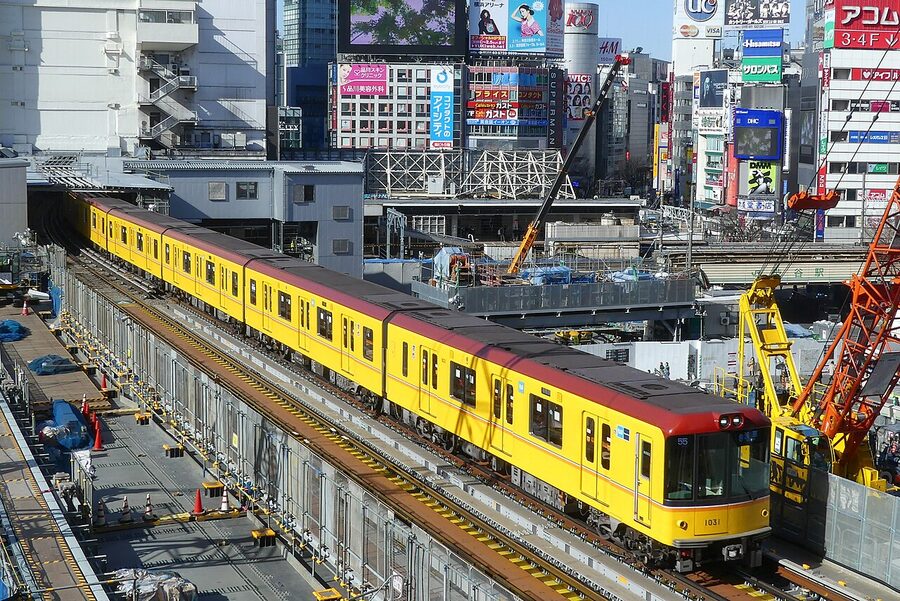

Tokyo Metro runs nine subway lines under the city: Ginza, Marunouchi, Hibiya, Tōzai, Chiyoda, Yūrakuchō, Hanzomon, Namboku, and Fukutoshin. These are the ones with the single-letter codes you’ll see on signs — G for Ginza, M for Marunouchi, H for Hibiya, and so on. Nine lines sounds like a lot, but the names and colours stick pretty fast.
Toei Subway
Toei Subway is the other subway. It’s run by the Tokyo Metropolitan Government (not Tokyo Metro — yes, I know) and has four lines: Asakusa, Mita, Shinjuku, and Ōedo. The Ōedo Line is the most tourist-useful of them. It’s a big irregular loop-and-branch that goes under most of central Tokyo and often saves you a ridiculous walk when the Metro or JR won’t cooperate.
Plus there are the private lines. Keio, Odakyu, Tobu, Keikyu, Seibu. You’ll mostly bump into these when heading to day-trip destinations — Keio goes out towards Mt. Takao, Odakyu runs to Hakone, Keikyu links Haneda to the city centre. I’m not going to pretend there’s a neat story that ties them all together because there isn’t. Just know they exist, their stations are often fused with JR or Metro stations, and transfers between them cost extra.
The crucial thing for you as a tourist: JR, Tokyo Metro, and Toei Subway charge you separately. If you ride one stop on JR and then transfer to a Tokyo Metro line, you pay two base fares. Same within Tokyo Metro and Toei — different operators, separate fares. Google Maps quietly shows you the cheapest route. And you don’t have to think about this at all if you’re using an IC card, which is the next thing.
IC cards — Suica and Pasmo
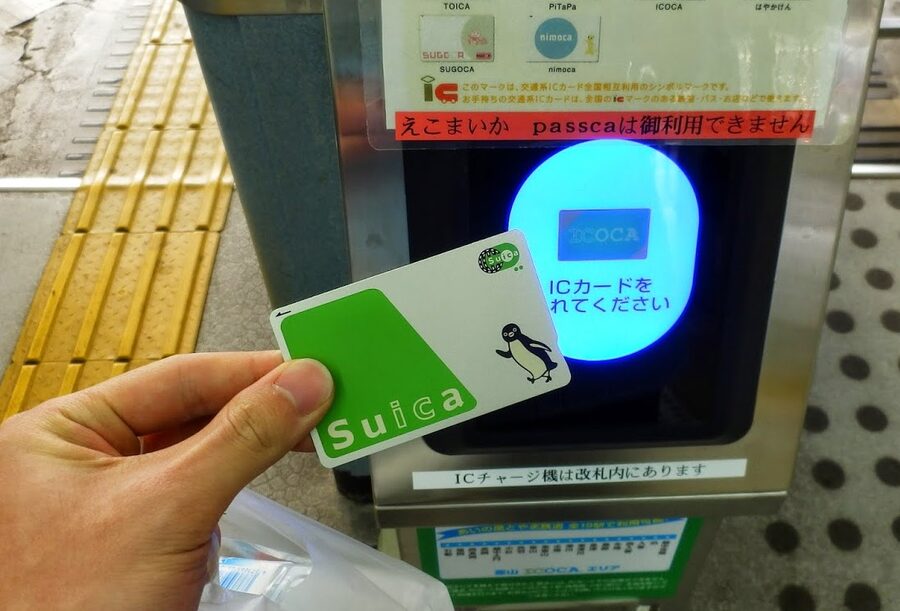

An IC card is a prepaid, rechargeable, tap-to-pay card that works on every train, subway, and bus in Tokyo regardless of operator. It also works in convenience stores, vending machines, station lockers, some taxis, and a surprising number of random shops. If you get one thing right about Tokyo transport, it is this: get an IC card on day one.
There are two you’ll hear about. They are functionally identical.
Suica is issued by JR East. The penguin is their mascot. Pasmo is issued by Tokyo Metro and the private railways. A pink robot is theirs. The cards look different but both work on everything — JR, Metro, Toei, private lines, buses, all of it. Which one you get depends on where you buy it, not what you plan to use. I have a Suica. A friend of mine has a Pasmo. Tapping either through a gate in Tokyo feels exactly the same.
Welcome Suica — the tourist version
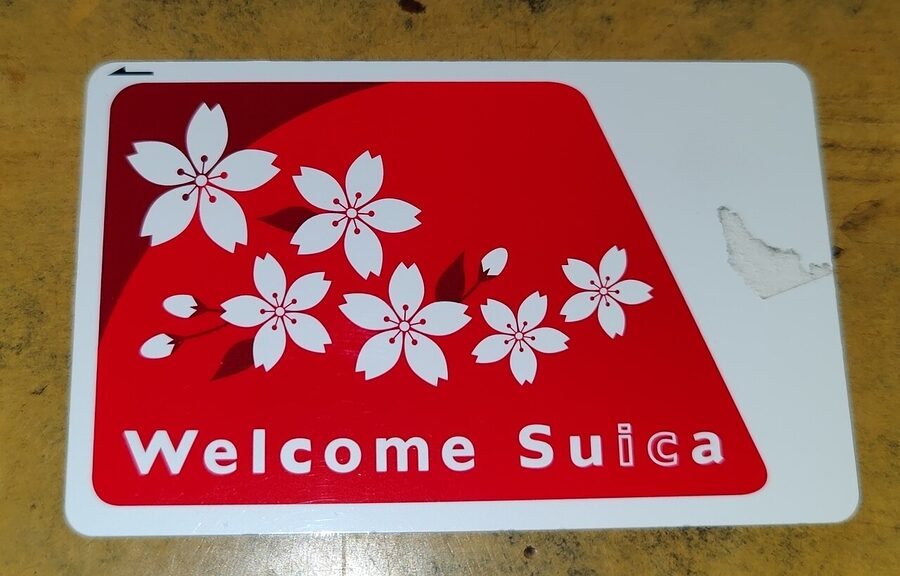

A regular Suica has a ¥500 refundable deposit and no expiry. The Welcome Suica is the JR East version made for tourists: no deposit, 28-day validity, and you just throw it away at the end of your trip. Red-and-white cherry-blossom design with “Welcome to Japan” printed on it.
You pick one up at the JR East Travel Service Center at Narita Terminal 1, Terminal 2/3, or the equivalent at Haneda Terminal 3. They come pre-loaded with either ¥1,000 or ¥2,000 and you can keep topping them up at any ticket machine. If you want to avoid the airport queue, the card is also available online in advance via Klook or Rakuten Travel Experiences and you collect it when you arrive.
Important: sales of regular (non-Welcome) Suica and Pasmo cards were paused for a couple of years during a global chip shortage. They’ve slowly come back — you can now buy anonymous Suica/Pasmo cards again at major JR East stations and airports as of 2025 — but availability still fluctuates. If the machine says no, just buy a Welcome Suica and move on.
Mobile Suica on iPhone
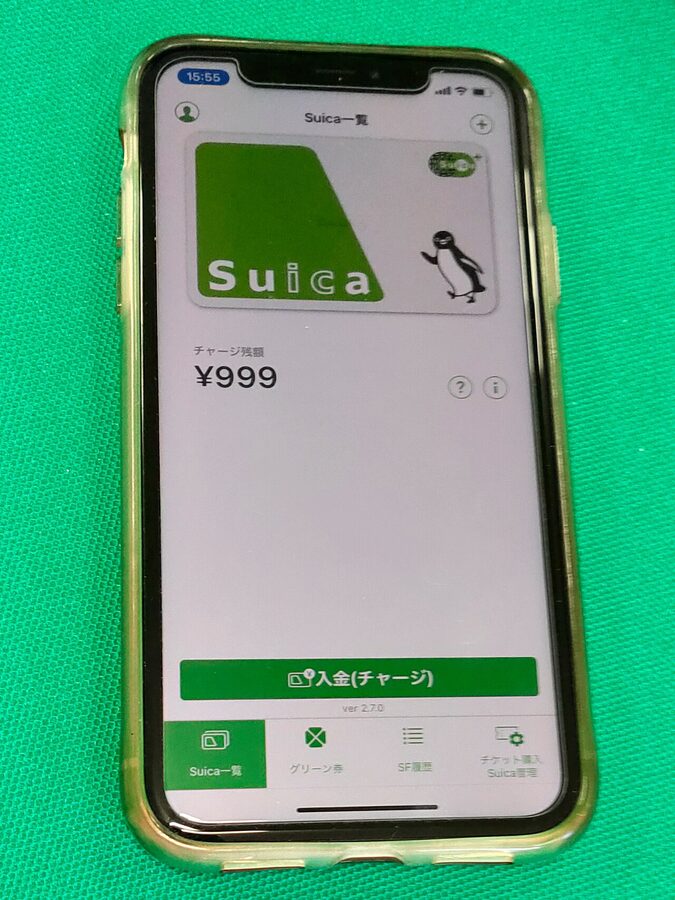

If you’re on iPhone, you do not need a physical card at all. Suica in Apple Wallet has existed for years and has been opened up for foreign Apple IDs. You add a Suica card directly from Wallet — “Add Card” → “Transit Card” → “Suica” — and you top it up with your registered credit card. Face ID authorises the tap at the gate. No deposit, no expiry.
A separate Welcome Suica Mobile app launched in March 2025 specifically for tourists on iPhone, valid for 180 days, and from October 2025 it also lets you buy Shinkansen tickets within the same app. I’d just use the standard Suica in Wallet unless you’re here for less than a week and don’t want to register a credit card.
Android in Japan has had mobile IC cards forever via Osaifu-Keitai, but if your Android phone was bought outside Japan it almost certainly doesn’t support it. Get a physical card instead.
How to buy a physical Suica
Here’s the actual step-by-step at a ticket machine, because the first time is confusing:
- Walk up to any multi-coloured JR ticket machine (look for green-and-black JR East machines inside the gates area).
- Tap the “English” button in the top right.
- Tap “Purchase a new Suica” or “Welcome Suica” depending on which you want.
- Choose your starting amount — ¥1,000 is fine for day one.
- Insert cash or a credit card. Machines usually take ¥1,000 notes; some take ¥10,000.
- Take the card and the receipt. The receipt is annoying but keep it — staff can ask for it if you’re using Welcome Suica.
- Walk to the gate. Tap the card flat on the reader.
- Listen for the chirp and walk through. If the gate slams, check your balance — the pitch of the chirp drops when you have enough and rises when you’re short. You learn to hear the difference within a day.
Topping up is similar: any ticket machine, tap “Charge” or “Recharge”, insert cash, done. Minimum top-up is usually ¥1,000. I aim for around ¥2,000 at the start of each day.
What else the card pays for
Conbini (convenience stores) — 7-Eleven, Lawson, FamilyMart — all take IC cards at the register. So do most vending machines on station platforms, coin lockers at stations, station bakeries, and a growing number of taxis. I probably use mine more for bottled tea at platform vending machines than I do for actual train fares on a given day. You can also use Suica in Kyoto, Osaka, Sapporo, Fukuoka — the ten major Japanese IC cards all interoperate, and a card issued by JR East works in every major city. You don’t need a separate Icoca for a day trip to Osaka.
The Tokyo Subway Ticket — when it’s actually worth it
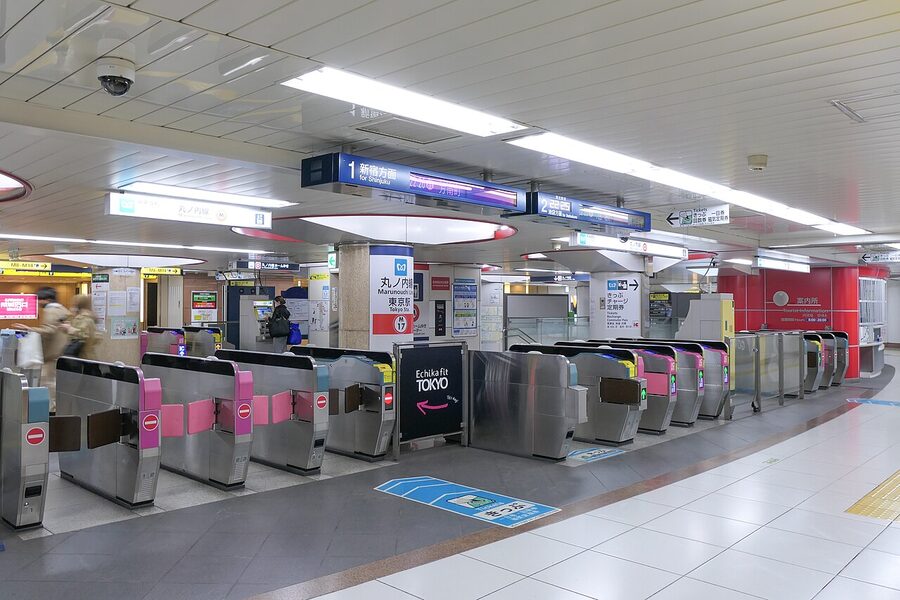

The Tokyo Subway Ticket is a flat-fare day pass that covers both Tokyo Metro and Toei Subway. Tourists only — you need to show your passport to buy one.
- 24 hours: ¥800
- 48 hours: ¥1,200
- 72 hours: ¥1,500
It does not cover JR lines, including the Yamanote. That’s the catch. If you’re planning to ride only subway lines for a day, the maths can work — most individual Metro/Toei fares are ¥180-310, so four to five rides makes the 24-hour pass pay for itself. But most itineraries in Tokyo use the Yamanote at some point, and the moment you do, you’re paying JR fares on top of the pass. An IC card covers everything with no maths.
My take: don’t bother with the Tokyo Subway Ticket unless you genuinely know you’re doing 5+ Metro/Toei rides a day and nothing on JR. For most first-time visitors, an IC card is the better call — fewer decisions, same price or cheaper, works on the Yamanote, works at 7-Eleven. The only strong case for the pass is if you’re staying near a Metro hub (Asakusa, Roppongi, Nihombashi) and specifically avoiding Yamanote-adjacent stuff.
The JR Pass doesn’t cover Tokyo Metro (or Toei)
This is the single most common confusion I see. The Japan Rail Pass is brilliant for moving between cities on the Shinkansen. It covers the Yamanote, the Chuo, the Sōbu, the Keihin-Tōhoku — basically every JR line inside Tokyo. It does not cover Tokyo Metro or Toei Subway, because those are separate companies. It also doesn’t cover most of the private lines out to places like Hakone or Kamakura unless you connect via JR.
Practically, if you’re on a JR Pass and you want to get around Tokyo, use the Yamanote as your spine and only tap into Metro or Toei when you need to (Roppongi, Asakusa, Omotesando). Every Metro ride will cost you extra on top of the pass. Budget roughly ¥1,500-¥2,500 in IC card charges for a week of Tokyo travel, on top of the JR Pass price.
The JR Pass is wasted on a Tokyo-only trip. Plain and simple. Don’t buy it if you’re just doing Tokyo — you’d need an IC card or the Tokyo Subway Ticket, and the Shinkansen money you’re paying for is sitting unused.
Reading station signage (the letter-and-number system)
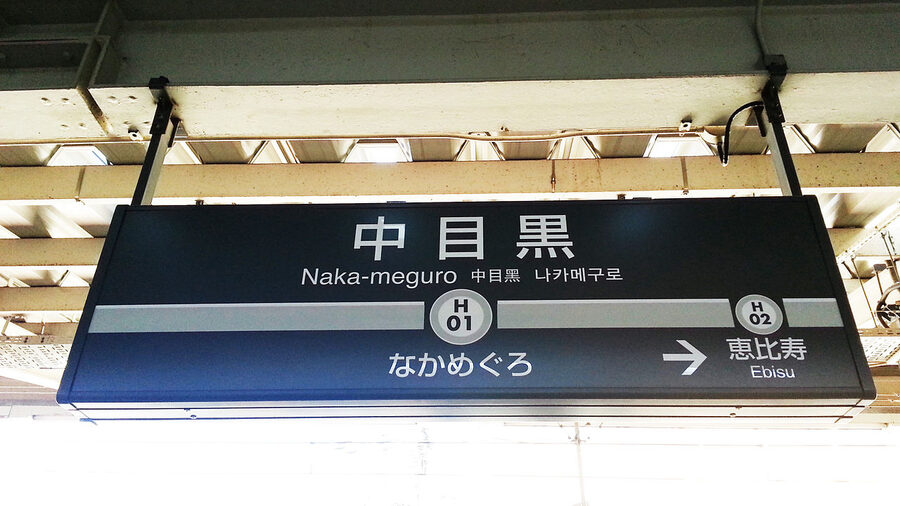

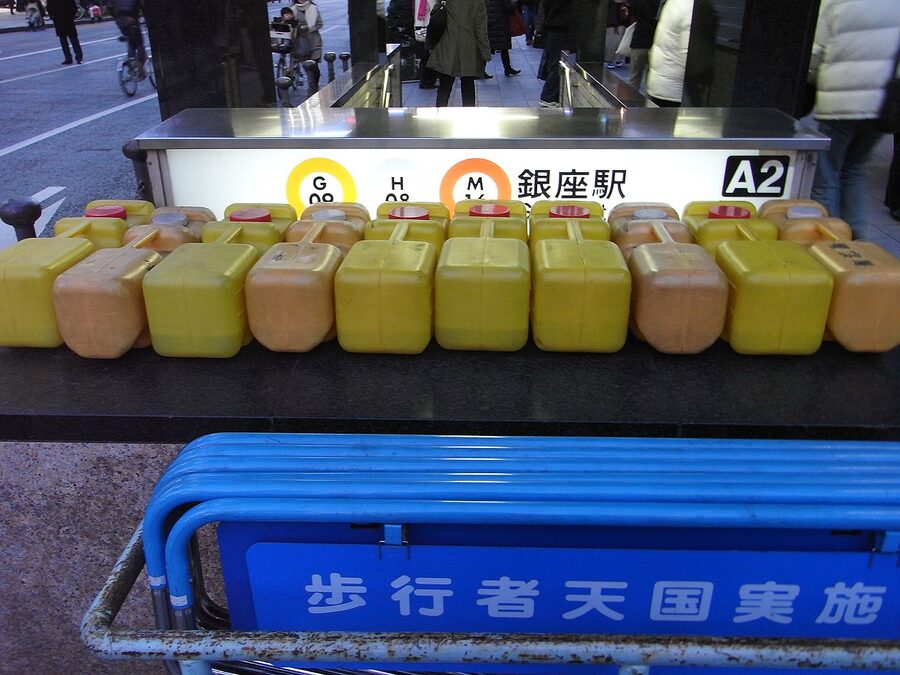
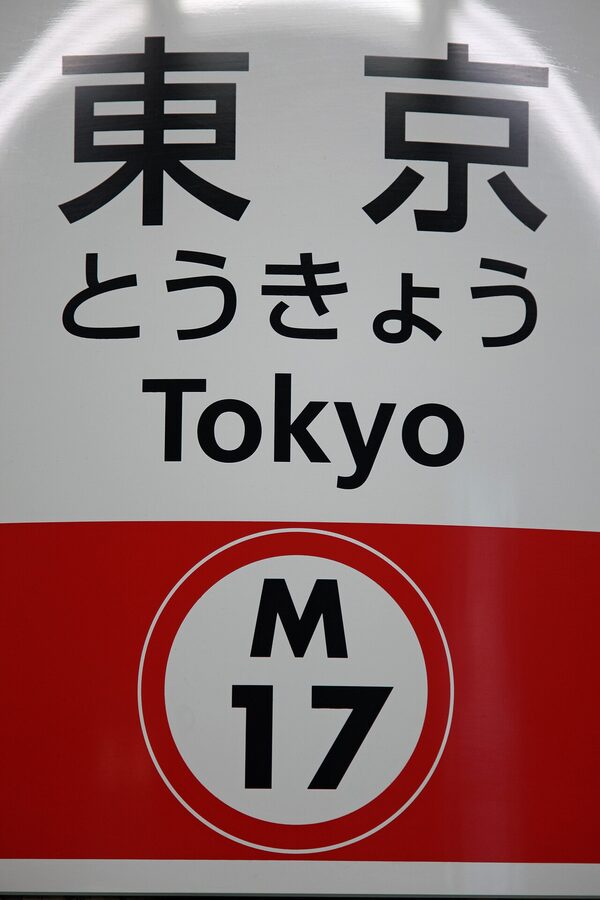
Tokyo Metro, Toei, and the Yamanote all use a letter-plus-number code for every station and every line. The letter is the line. The number is the position on that line.
- G = Ginza Line (orange)
- M = Marunouchi Line (red)
- H = Hibiya Line (silver)
- T = Tōzai Line (light blue)
- C = Chiyoda Line (green)
- Y = Yūrakuchō Line (yellow)
- Z = Hanzomon Line (purple)
- N = Namboku Line (teal)
- F = Fukutoshin Line (brown)
- A = Toei Asakusa (pink)
- I = Toei Mita (blue)
- S = Toei Shinjuku (yellow-green)
- E = Toei Ōedo (magenta)
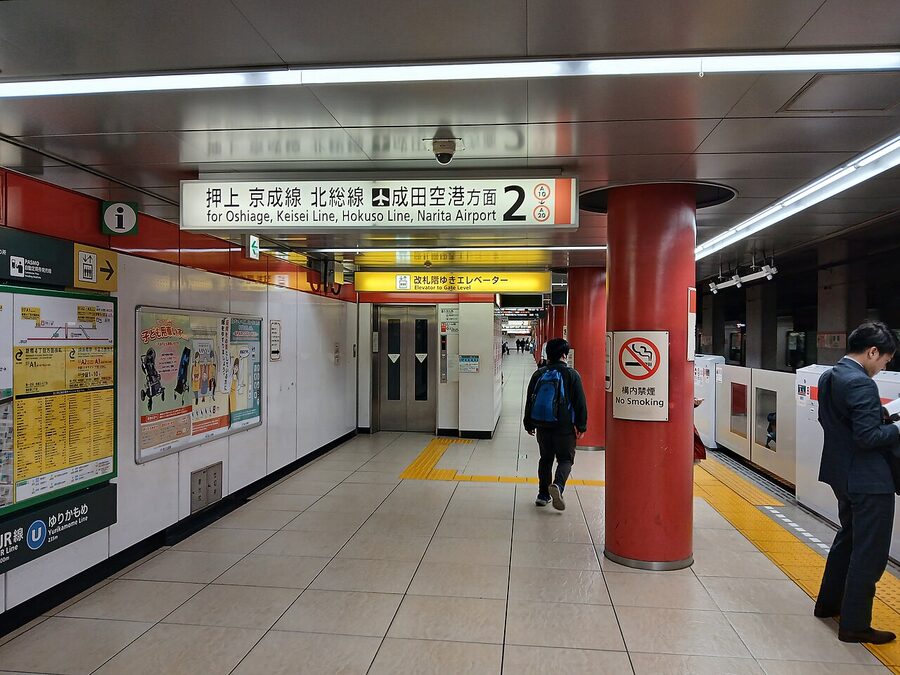
So “G-09” is Ginza Line, station 9 (Ginza itself, funnily enough). “M-16” is Marunouchi Line, station 16 (Tokyo). “E-20” is Ōedo Line station 20 (Tsukijishijo). Once you learn your home station’s code, you can navigate without reading Japanese at all. Every train’s in-carriage electronic board shows the current station code and the next station code, and every station sign shows both its code and the codes of adjacent stations on that line.
The colour system is equally useful — each line has a specific Pantone-ish shade and it’s painted on every wall, pillar, and sign within that line’s area. If you can’t read the station name, follow the colour.
Google Maps is your navigator
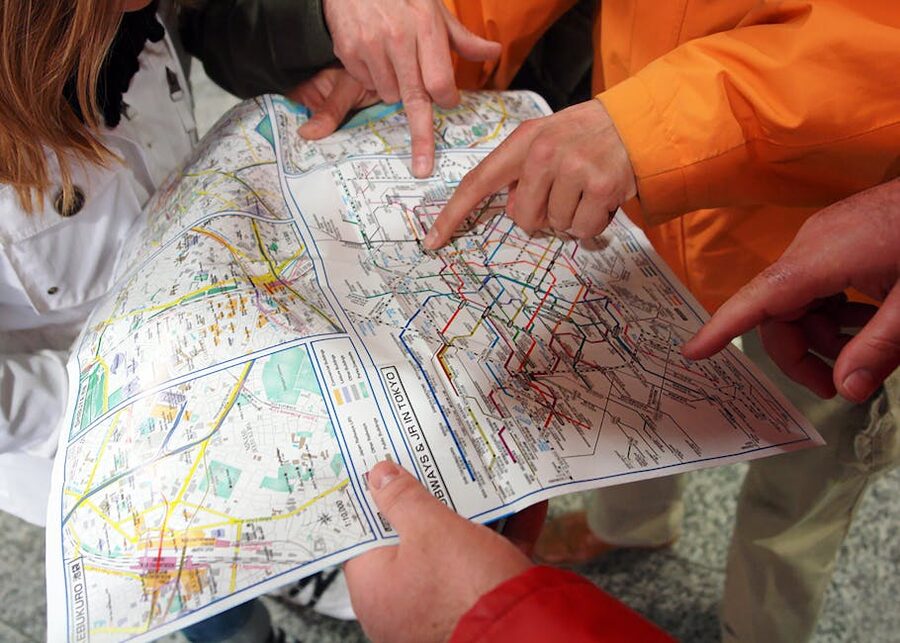

I’ve tried every transit app the Japan tourism authorities recommend. Hyperdia, Navitime, the Tokyo Metro app, the Go Tokyo official one. None of them beat Google Maps in Tokyo. Google has a partnership with the rail operators that gives it real-time departure boards, live delay info, platform numbers, and — critically — the exact exit to use when you arrive.
The exit thing matters more than anyone tells you. Big stations have 20+ exits. The difference between Shinjuku’s A3 exit and B16 exit is about 800m of street walking. Google Maps will say “Exit A3” or “Exit B16” explicitly and will route you from that exit to your final destination. Follow it literally. If it says A3, don’t improvise — these are not interchangeable.
To use Google Maps well in Tokyo:
- Type your destination into the search bar. Use the English name; Google handles the geocoding.
- Tap the transit icon (the little train).
- Pick the route that starts soonest — Google shows departure times live.
- Tap into the route detail. Note the line name, the direction (east/west/inbound/outbound), the number of stops, and — most importantly — the exit number at the other end.
- Screenshot the exit number if you’re going to lose signal (you won’t, but it’s a habit).
- Once you arrive, look for the yellow exit signs. Every exit is numbered and the station wall maps show exactly where each exit opens onto the street.
The one thing Google won’t tell you is which platform to queue at on the platform. For that, look at the floor — Japanese stations have queue markings painted on the concrete, usually in sets of two matching the train door positions. Stand at a mark, don’t form a new line.
Rush hour is real
.jpg)
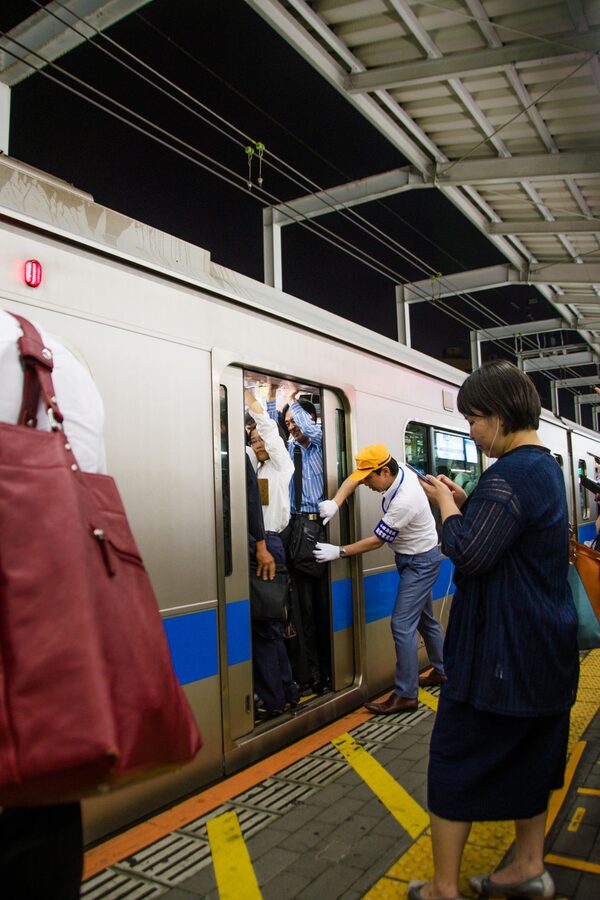
Tokyo rush hour is 07:30-09:30 in the morning and 17:30-19:30 in the evening, Monday to Friday. The evening one is bearable. The morning one is not.
What “not bearable” looks like in practice: the Yamanote Line through Shinjuku, Shibuya, Ikebukuro, and Shinagawa runs at 150-180% of rated capacity between 8 and 9am. The Tokyo Metro Tōzai Line is famously the single most crowded commuter line in Japan. Uniformed platform attendants wearing white gloves — oshiya, literally “pushers” — physically press people into carriages so the doors can close. This is not a tourist myth. It still happens daily at certain Yamanote and Odakyu transfer stations.
If you can avoid travelling during the morning rush, avoid it. 10am onwards the crowding drops to pleasant levels. Weekends are also calm.
If you can’t avoid it, some survival rules:
- Take your backpack off and hold it in front of you, down by your legs. Japanese commuters do this automatically; foreigners with rucksacks on their shoulders are the bane of the Tokyo rush.
- Don’t try to reach your pocket. You won’t get your hand back.
- If you can’t get into a carriage, wait for the next one. Another is 90 seconds away.
- Stand near the door if you’re getting off soon. The interior of the carriage is a black hole.
- Some Yamanote and Saikyō Line carriages are women-only during morning rush — look for the pink signage at the platform edge and pink floor markings showing where that carriage will stop. Men should not board these. Announcements are made in English.
Etiquette — the rules nobody prints
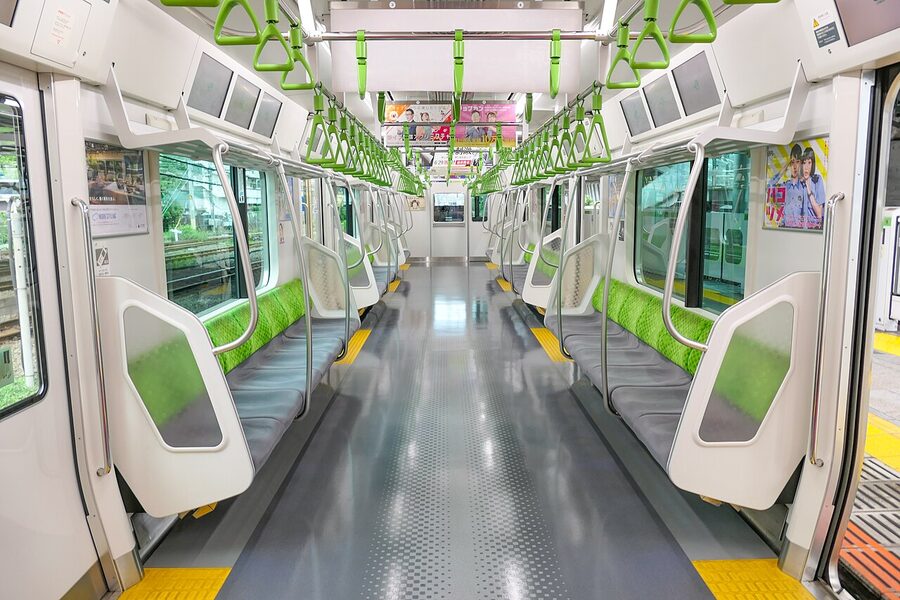

Tokyo trains are quiet in a way that’s disorienting at first. It’s one of those things you only notice when you’ve been away and come back: a carriage with 80 people in it, and the loudest sound is the train wheels.
- No phone calls. None. You do not answer your phone on the train, even a short “I’ll call you back”. Step off if it’s urgent.
- Texting and scrolling are fine. Most of the carriage will be on their phones silently.
- Keep your voice down. You can talk to the person you’re with, but at a low volume. Loud laughter marks you out instantly.
- No eating or drinking on subway lines and short-haul JR trains. Long-distance trains and Shinkansen are the exception — eating a bento on a Shinkansen is a whole cultural moment.
- Priority seats (dark blue, usually at the ends of the carriage) are for the elderly, pregnant people, small children, and anyone with an injury. Fine to sit on them if the train is empty — instant giveaway is the moment someone in one of those categories boards. You get up.
- Backpacks off the shoulders if the carriage is at all crowded. Hold them at the front or put them on the luggage rack.
- Queue at the floor marks. The platform has painted triangles or lines where each train door will stop. Form two neat lines either side of each mark. The train arrives and you don’t rush; the people getting off come first, then the queue files in.
- No smoking. Most stations are non-smoking entirely, a small minority have designated smoking rooms on the platform.
- Stand on the left on escalators. Walk on the right. This is Tokyo-specific; in Osaka it’s the opposite.
Women-only carriages
.jpg)
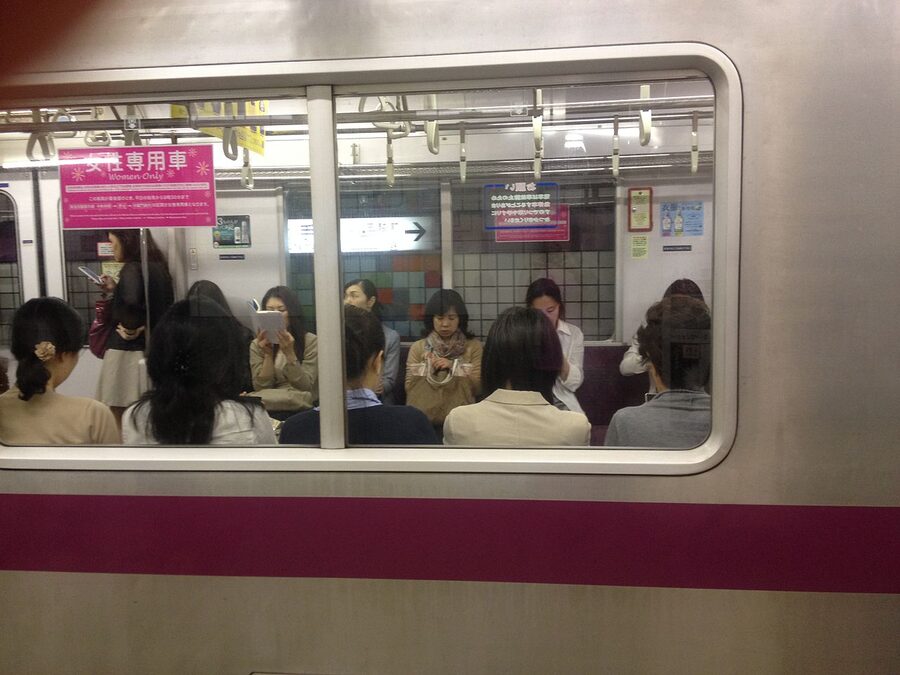
During weekday morning rush (roughly 07:30-09:30), some carriages on specific lines are reserved for women only. The most common ones tourists encounter are:
- Yamanote Line: not all trains, but some have a women-only carriage — look for pink platform markings.
- Saikyō Line: very consistent, women-only car on most morning trains.
- Tokyo Metro Chiyoda, Hanzomon, and Yūrakuchō Lines: usually the first or last carriage during morning rush.
- Keio, Odakyu, and Tobu private lines: several have them too.
The carriages are marked with bright pink stickers on the train, pink signage on the platform, and pink floor markings. Children up to elementary-school age travelling with a female relative are fine in these carriages; male adults should not board. If you accidentally board one, nobody will shout — just get off at the next stop and move to another carriage. I’ve watched more than one first-time male traveller make the mistake; the guard is polite about it.
Getting lost (you will, and it’s fine)
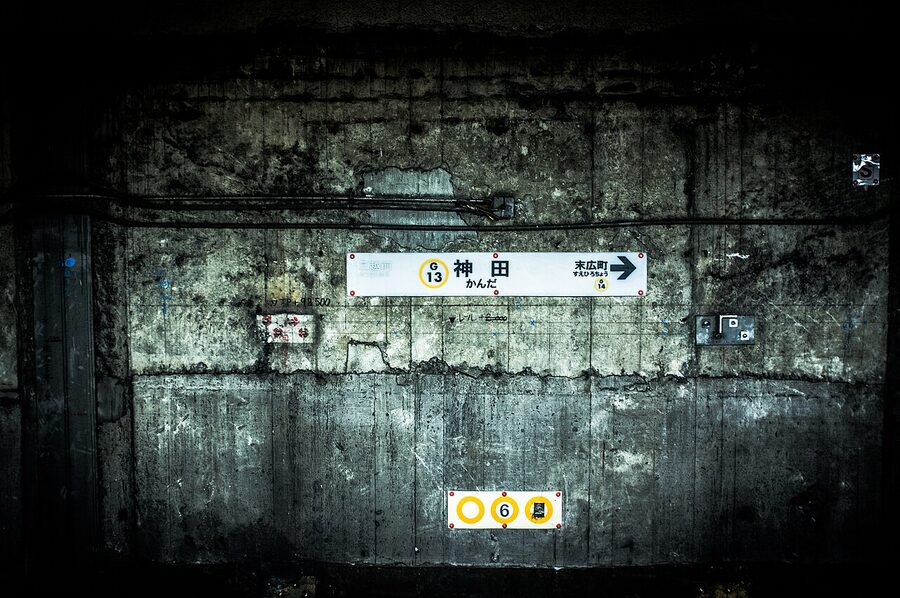
You will get lost. It is inevitable. I still get lost in Shinjuku Station and I’ve lived here. A few things that help:
Every station has a station staff booth near the ticket gates. They’re not the grumpy-municipal-employee type you might know from home — Tokyo station staff are genuinely helpful and most will meet you halfway in English. If English fails, showing them the kanji for your destination (screenshot on your phone) always works. The phrase “sumimasen, wakarimasen” (excuse me, I don’t understand) is genuinely useful. Add “[station name] wa doko desu ka?” (where is [station name]?) and you’ll get pointed in the right direction.
Every station also has wall maps at every exit. These show both the streets immediately around the exit and the layout of the underground passages. They’re always orientated to match the direction you’re currently facing, which sounds obvious but English maps outside Japan are often “north up” regardless. Look for the red “you are here” dot.
Information desks at major stations (Shinjuku, Tokyo, Shibuya, Ueno) usually have an English-speaking staff member from about 8am to 9pm. They have paper maps, can print journey plans, and will book reserved seats for Shinkansen if that’s what you need.
The hardest stations: Shinjuku, Shibuya, Tokyo
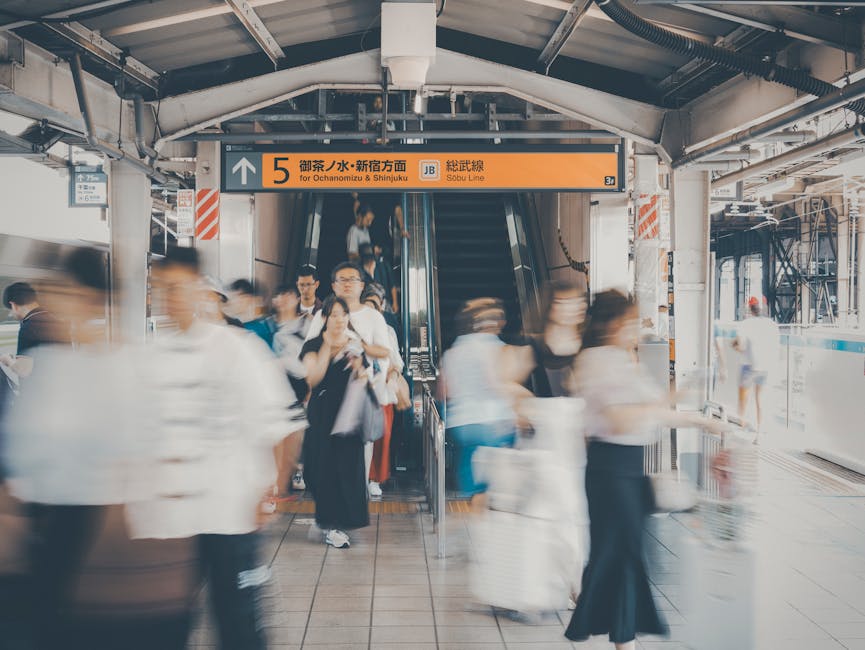
Shinjuku is the busiest train station in the world. Eight lines, 53 platforms, more than 200 exits across multiple station complexes, and it handles roughly 3.5 million passenger movements per day. Do not try to understand Shinjuku on your first visit. Pick one exit — South Exit is the simplest — and use it as your anchor. Need to leave from a different exit? Look at Google Maps, commit to one exit number, and walk with purpose. There are no shortcuts. The JR side and the Odakyu side are physically different buildings connected by underground passages.
Shibuya is the other hard one, and it’s been under major redevelopment for the better part of a decade. The Tokyo Metro Ginza, Hanzomon, and Fukutoshin lines all connect here along with the JR Yamanote and Saikyō, plus the Toyoko Line down to Yokohama. The relationship between the old above-ground Yamanote platform and the new-ish deep underground lines is genuinely confusing and changes every year as construction finishes new bits. Signage is good though. Follow it literally.
Tokyo Station is overwhelming for a different reason — it’s a Shinkansen hub with dozens of JR lines above ground plus Tokyo Metro’s Marunouchi Line below. The underground mall connecting it to Otemachi is its own town. Yaesu Exit versus Marunouchi Exit is a 10-minute walk through corridors and it matters which one you use. If that’s where you’re starting or staying, the Tokyo Station guide breaks down the layout in more detail.
Ikebukuro, Ueno, and Shinagawa are on the same scale but a little more coherent. Everything else is fine.
Tickets vs IC cards
You basically never buy a paper ticket for regular Tokyo travel. Paper tickets exist and the machines still sell them, but they’re slower, clumsier, and you have to work out the fare before you buy. IC cards calculate the exact fare automatically when you tap out.
The one time you do buy a paper ticket is for reserved-seat trains: the Shinkansen bullet trains, the Narita Express, the Odakyu Romancecar to Hakone, the Thunderbird, and so on. These all have a reserved-seat supplement on top of the base fare and come as a paper ticket (or a QR code on Mobile Suica from October 2025). Even then, the base fare gets deducted from your IC card and the supplement is the paper ticket. It’s hybrid.
For anything within Tokyo: IC card. Don’t overthink it.
Late-night trains and what to do after
Last trains in Tokyo run between around 00:20 and 01:00, depending on the line and direction. The Yamanote’s last full circuit is around 01:00; most Metro lines wrap up between 00:20 and 00:45. First trains start around 05:00-05:30.
If you miss the last train, your options are:
- Taxi. Tokyo taxis are plentiful, clean, and expensive. A late-night trip across central Tokyo can easily run ¥3,000-¥5,000. The doors open and close automatically — never try to open or close them yourself. Most drivers speak no English but you can show an address on a phone map.
- Karaoke or net café. Classic missed-last-train moves. A private karaoke booth costs around ¥2,000-¥3,500 for a six-hour “free time” or nighttime package. Net cafés (manga kissa) charge similar for an overnight flat-rate booth with a reclining chair. Both are perfectly safe and normal.
- Walk home. If you’re within 30-40 minutes on foot, this is often the simplest option. Central Tokyo is extremely safe after dark and Google Maps walking directions work past midnight.
- Airport shuttle buses. If you’re heading back to Narita or Haneda for an early flight, late-night bus services run from Shinjuku and Tokyo Station.
Saturday nights get the same last-train times as weekdays. There is no “24-hour service” on Tokyo trains, unlike New York or London — the whole network shuts for five hours.
Practical info

- Operating hours: roughly 05:00 to 00:40, with small variation by line and direction.
- Base fares: Tokyo Metro ¥180 (adult) for short hops, up to ¥330 for longer journeys. Toei Subway ¥180-¥330. JR East base fare ¥150, increases with distance. Transferring between operators costs extra.
- Kids’ fares: free for children under 6, half-fare for children 6-11, adult fare from 12.
- Rush hour: 07:30-09:30 and 17:30-19:30, Monday to Friday. Worst from 08:15-08:45 on the Yamanote.
- Women-only carriages: weekday morning rush only, marked with pink signage on the platform and on the carriage exterior.
- Accessibility: most major stations have lifts and tactile paving; all trains have wheelchair spaces. Older stations (Ginza Line in particular) often require asking station staff for ramp assistance. Google Maps shows “step-free” routes when you toggle accessibility in transit settings.
- Luggage: big suitcases are fine on off-peak trains. Avoid trains entirely during rush hour if you’re moving luggage — take a taxi or an airport-limousine bus.
- Wi-Fi: free on most JR and Tokyo Metro trains and at stations. Sign-in is annoying; a pocket Wi-Fi or a travel SIM is better value if you’re here for more than a few days.
Official sources
- JR East — jreast.co.jp (timetables, Suica info, JR Pass)
- Tokyo Metro — tokyometro.jp (line maps, station information)
- Toei Transportation — kotsu.metro.tokyo.jp (Toei Subway and Toei buses)
- Suica card info — suica.jp (deposit, refund, mobile Suica)
- Go Tokyo (tourism) — gotokyo.org
If I could only tell you three things
One: get an IC card on arrival, add it to your phone if you can, don’t think about tickets for the rest of the trip.
Two: the Yamanote is the circle — every major district is on it, one circuit takes an hour, every other line connects to it somewhere. When in doubt, get back to the Yamanote.
Three: Google Maps works better than any transit app the tourism boards try to sell you, and it will tell you the exact exit number — use that number literally, don’t improvise.
Everything else you can figure out on the fly. The trains are frequent, the staff are kind, the stations are safer than any I’ve used elsewhere. You’ll tap your card wrong at a gate once or twice, you’ll take a Yamanote train in the wrong direction at least once, you’ll walk out of the wrong exit and blink at a skyline that was supposed to be the other way round. That’s fine. The penguin doesn’t mind.