
Reviewed · TOKYO
Tokyo: Exquisite Wagyu Beef Experience at Yakiniku Nikunone
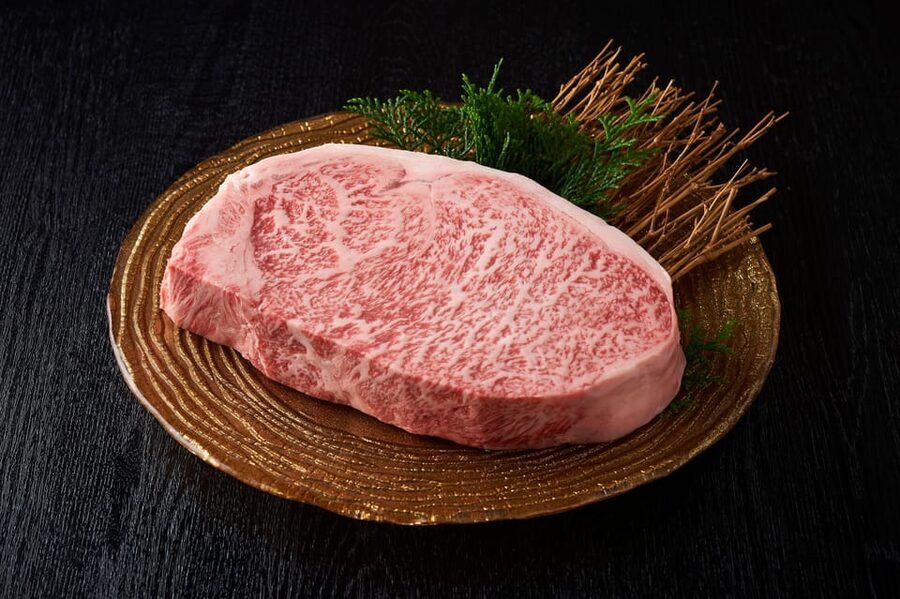
Tokyo’s Yakiniku Nikunone turns dinner into a carefully paced A5 Wagyu tasting. You sit in a private room inspired by Japan’s four seasons while staff serve richly marbled beef, unusual island ingredients, and polished small plates.
I like the quiet setting and the chance to compare cuts prepared in different ways, from tongue grilled shabu-shabu to Chateaubriand with truffle salt. I also like the rare touches, including Oita Dragon Eggs, Oki Islands Algae Salt Rice, caviar, and sea urchin. The main consideration is the two-hour limit and the high price, especially if you are more interested in casual yakiniku than a formal course meal.
In This Review
- Key Points to Know Before Booking
- Why Yakiniku Nikunone Feels Different From Regular Yakiniku
- The Nikunone Course: 12 Dishes and a Gentle Introduction
- The Kirameki Course: More Beef, Sashimi, and a Main Steak
- The Kinzakura Course: Chateaubriand, Caviar, and Sea Urchin
- Regional Ingredients Beyond the Beef
- Wine, Drinks, and the Pace of a Two-Hour Meal
- Service, Privacy, and What You Should Expect
- Is $113 Per Person Good Value?
- Who Should Book This Dinner?
- Should You Book Yakiniku Nikunone?
- FAQ
- Where is Yakiniku Nikunone located?
- How long does the dining experience last?
- Is this a guided tour?
- How many courses can I choose from?
- What kind of beef does the restaurant serve?
- Are drinks included?
- Is the restaurant wheelchair accessible?
- Can I request dietary accommodations?
- What is the cancellation policy?
Key Points to Know Before Booking
- A5 Wagyu is the focus: Every course centers on carefully selected Japanese beef rather than a broad menu of unrelated dishes.
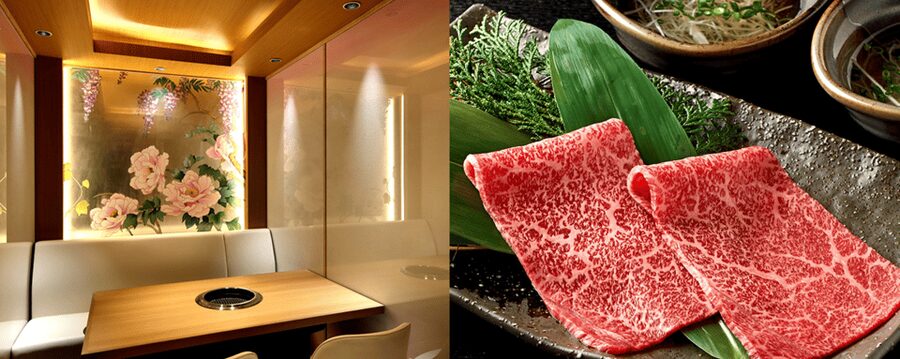
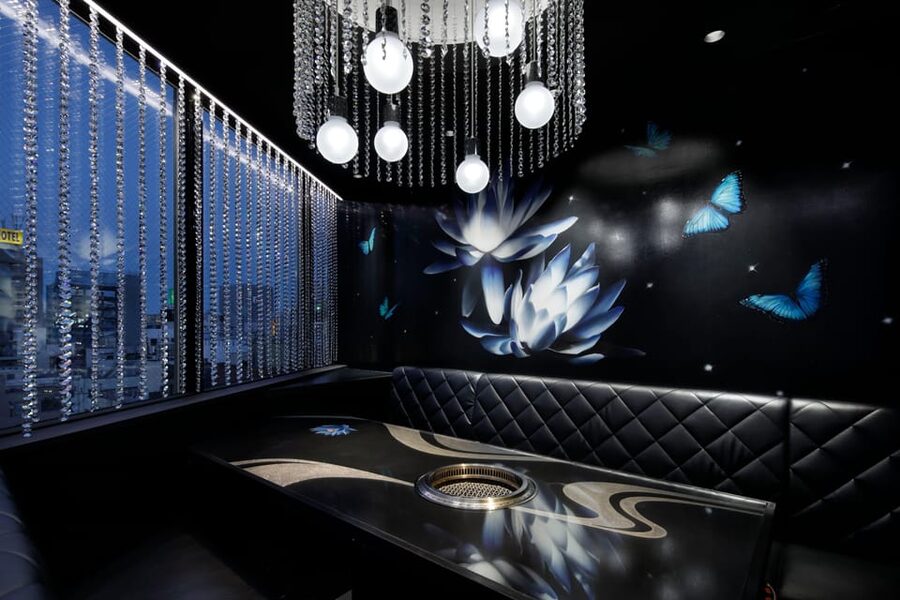
- Private rooms keep dinner calm: The rooms are designed around Japan’s four seasons and offer a more secluded setting than a typical grill restaurant.
- Three courses suit different budgets: The 12-dish Nikunone Course is the simplest option, while Kirameki and Kinzakura add sashimi, steak, caviar, and sea urchin.
- Rare ingredients add variety: Dragon Eggs from Oita and Algae Salt Rice from the Oki Islands bring regional flavor beyond the beef.
- Drinks are part of the meal: Each course includes drinks, with fruit champagne included among the Kinzakura options.
- This is a reservation, not a guided activity: Enter the restaurant directly at your booked time. No guide accompanies you.
Why Yakiniku Nikunone Feels Different From Regular Yakiniku
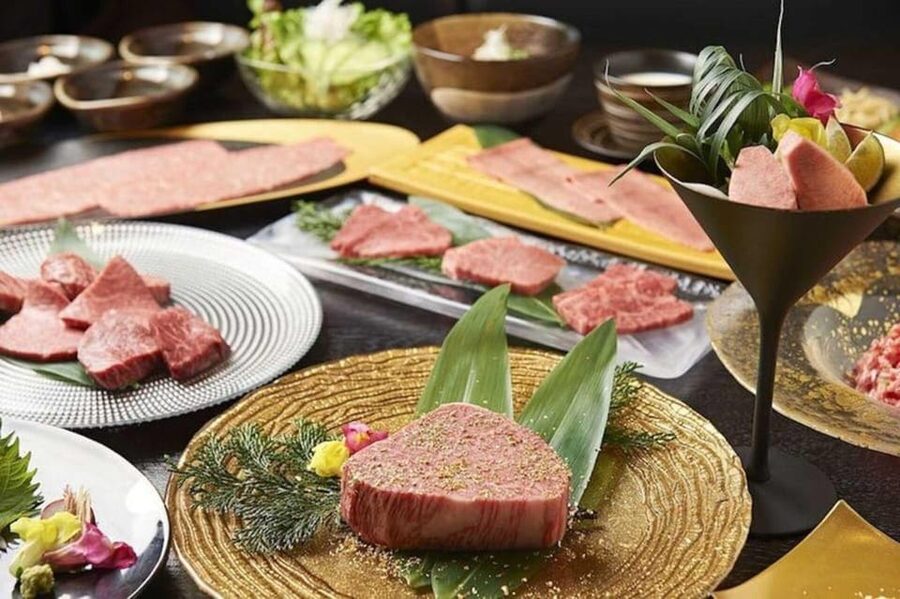
Yakiniku usually brings to mind a lively table grill, quick plates of meat, and a relaxed meal shared with friends. Nikunone takes a more polished route. It is a Wagyu-only restaurant, and the meal is arranged as a full course rather than a free-form order from a large menu.
That difference matters. Instead of choosing a few familiar cuts, you get a guided progression through beef, seafood, vegetables, rice, noodles, and dessert. The staff handle the pacing and presentation, which lets you concentrate on how each cut tastes and feels.
The private-room design is another major part of the experience. Rooms inspired by Japan’s four seasons give the meal a quiet, enclosed setting. You will not be joining a tour group, and there is no guide explaining Tokyo outside the restaurant. This is simply a reserved dining experience, suited to a birthday, anniversary, business dinner, or a special night during a first visit to Japan.
The service is formal but intended to remain warm. Each course is explained with care, and the staff are described as polite, attentive, and careful without hovering. That level of service helps if you are not familiar with Japanese beef cuts or the best way to approach a premium yakiniku meal.
If you're still narrowing it down, here are other tours in Tokyo we've reviewed.
The Nikunone Course: 12 Dishes and a Gentle Introduction
The Nikunone Course is the most straightforward of the three choices. It includes 12 dishes, one drink, and a dessert of citrus yuzu sorbet.
The meal begins with two kinds of kimchi and namul. These provide sharp, seasoned flavors before the richer dishes arrive. A Wagyu sinew stew follows, showing how the restaurant uses more than only the prized center cuts of beef.
The salad offers a lighter pause, then comes the special tongue grilled shabu-shabu. This is one of the more interesting preparations on the menu. Rather than simply grilling thick slices of tongue, the shabu-shabu style suggests a quick cooking treatment that keeps the meat tender while giving you a different texture from the steaks later in the meal.
Next, you receive three exclusive beef parts served salted. Salted preparation is useful here because it allows the natural flavor of the meat to remain in front. The course then moves to chestnuts grilled shabu-shabu, an unusual detail that gives the meal a seasonal Japanese accent.
Two selected lean cuts arrive marinated. This creates a useful contrast with the heavily marbled A5 pieces. Wagyu can become very rich, so leaner beef and a more seasoned treatment help keep the meal from feeling one-note.
The course also includes grilled Wagyu sushi, listed as two pieces, followed by yuzu sorbet. The course details also identify a seared Wagyu sushi piece with caviar as an exclusive feature, so it is worth confirming the exact presentation when booking. For $113 per person, this is likely the best choice if you want premium beef and a full meal without moving into the most extravagant add-ons.
The Kirameki Course: More Beef, Sashimi, and a Main Steak
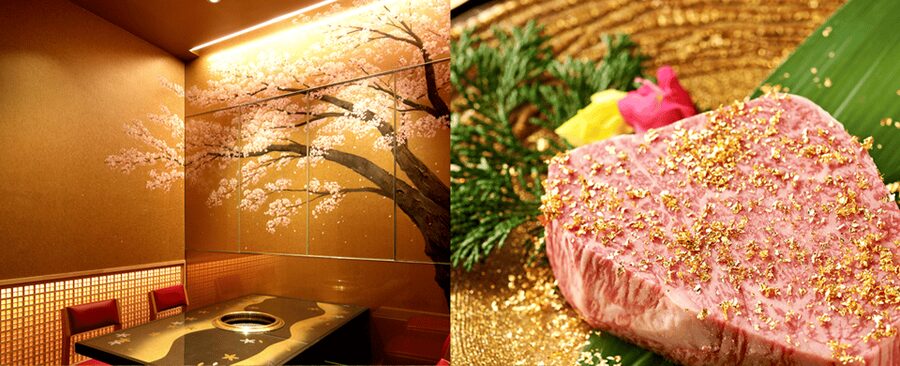
The 14-dish Kirameki Course adds several luxurious elements while keeping the meal balanced. It includes one drink, two kinds of kimchi and namul, Wagyu sinew stew, and a salad, so the opening remains similar to the lower-priced course.
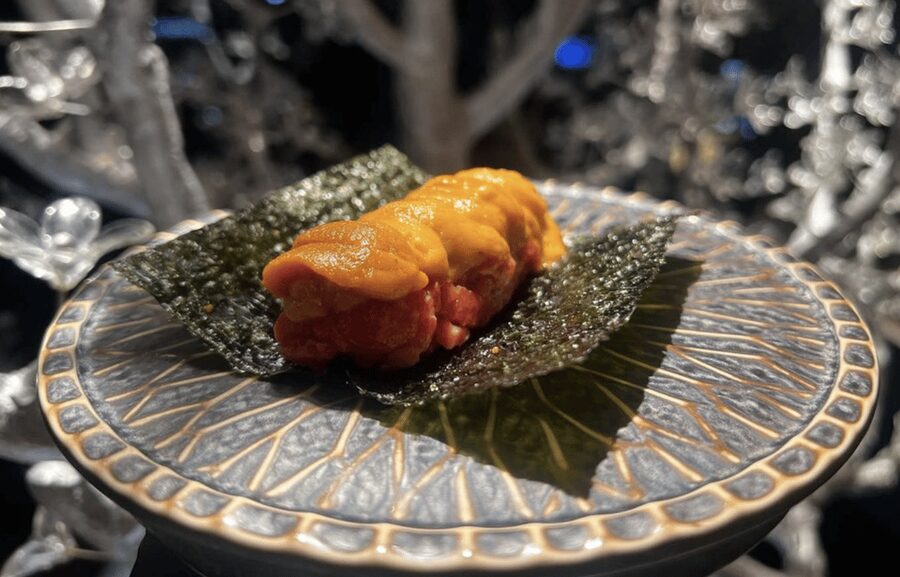
The difference begins with Miyazaki beef sashimi served with sea urchin. This is a striking combination of delicate seafood and prized beef, and it gives you a raw preparation before the grilled dishes begin. The course also includes grilled Wagyu sushi with caviar, listed as one piece.
The special tongue grilled shabu-shabu returns, followed by special skirt steak with fresh wasabi. The wasabi matters here. Its clean heat can cut through the richness of the beef more effectively than a heavy sauce, and it gives the skirt steak a brighter finish.
You then receive two exclusive salted cuts and three selected lean cuts served marinated. This is a larger beef comparison than in the Nikunone Course. If you enjoy noticing differences between texture, marbling, seasoning, and cooking style, Kirameki gives you more to work with.
For the principal steak, you choose sirloin or rump steak. Sirloin is generally the more richly marbled option, while rump gives you a firmer, beefier style of eating. The course finishes with a choice of cold noodles or Wagyu ochazuke, followed by your choice of dessert.
I see Kirameki as the middle-ground option for someone who wants the full special-occasion feeling without ordering the most lavish menu. It has enough seafood, sushi, steak, and varied beef to feel like a complete tasting rather than simply a larger plate of grilled meat.
The Kinzakura Course: Chateaubriand, Caviar, and Sea Urchin
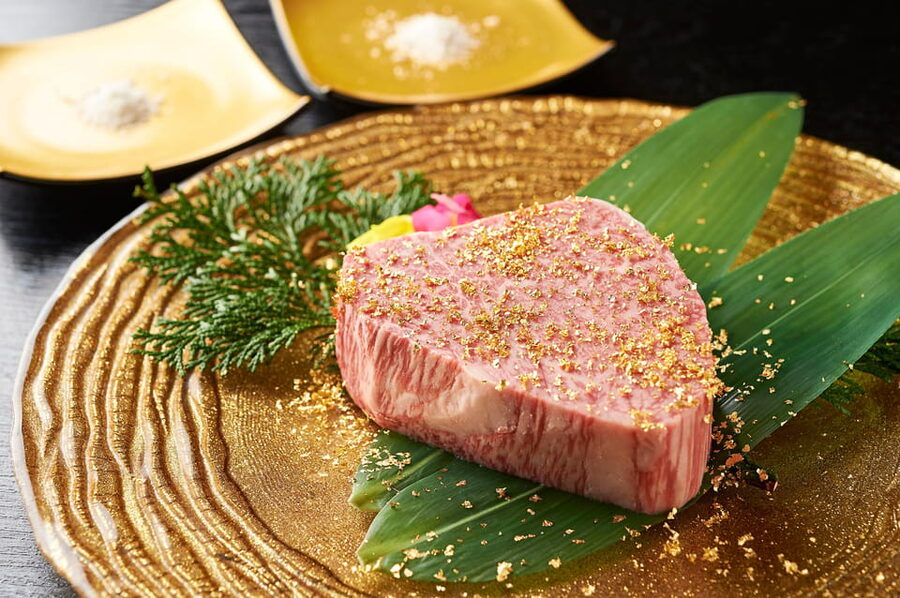
Kinzakura is the most elaborate course, with 14 dishes, two drinks, fruit champagne as an option, and a small jar of caviar. The jar is not merely decorative. You can use the caviar with the sea urchin tartar or other dishes as you prefer.
The opening course is a hand-roll sea urchin tartar sushi with caviar. This sets the tone immediately: Kinzakura is designed for diners who want rare ingredients layered together, not just a larger serving of beef.
The special tongue grilled shabu-shabu appears again, followed by Chateaubriand served with truffle salt. Chateaubriand is a prized center-cut preparation, and the truffle salt adds a fragrant seasoning without requiring a heavy sauce.
After two exclusive salted cuts, you receive selected lean cuts marinated. Then comes chuck flap grilled sukiyaki style. The sweet-savory sukiyaki approach changes the rhythm again, giving you a more seasoned and glossy preparation after the simpler salted beef.
The course includes a selected Wagyu steak sandwich, an indulgent but practical format. A sandwich gives the beef a different setting from the grill, with bread and accompanying textures helping to temper the richness.
For the final savory course, you choose cold noodles or two pieces of grilled Wagyu sushi with sea urchin. Dessert is also your choice. Kinzakura is the clear pick for a celebration, especially if caviar, fruit champagne, and sea urchin are central to what you want from the evening.
The drawback is simple: it may be too much if your main goal is to taste excellent Wagyu without a long procession of luxury ingredients. The caviar and sea urchin add theater and variety, but they also push the meal further from a simple Japanese barbecue dinner.
Regional Ingredients Beyond the Beef
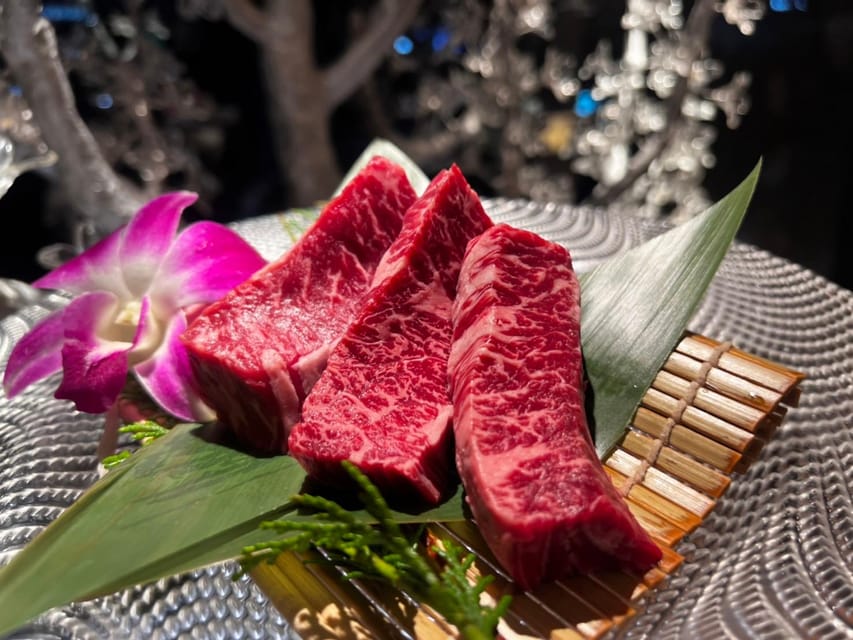
Nikunone’s menu is not only about marbling. The unusual ingredients help connect the meal to different parts of Japan.
Dragon Eggs from Oita are highlighted as a rare ingredient. The name alone will catch your attention, but the useful point is that the menu gives you something beyond standard beef, kimchi, and rice. Algae Salt Rice from the Oki Islands is another regional touch, bringing a taste associated with the sea and remote island cooking.
The courses also use Miyazaki beef, sea urchin, caviar, yuzu, fresh wasabi, truffle salt, and fruit champagne. These ingredients create a luxury tasting menu with a strong Japanese base.
I appreciate that the menu includes simpler counterpoints as well. Kimchi, namul, salad, cold noodles, stew, and sorbet are not flashy, but they keep the meal moving. A dinner made entirely from fatty beef and caviar would quickly become tiring. The lighter and sharper dishes are there for a reason.

Wine, Drinks, and the Pace of a Two-Hour Meal
The experience lasts two hours, and seats are reserved for no more than that. You should arrive ready to begin at your scheduled time rather than treating the booking as an open-ended evening.
The drink arrangement varies by course. The Nikunone and Kirameki menus include one drink, while Kinzakura includes two drinks, with fruit champagne available. The experience also highlights the pairing of wine and Wagyu, so you can expect the beverage element to be part of the meal rather than an afterthought.
A two-hour format works well for a structured tasting. It gives you time to notice the differences between salted, marinated, shabu-shabu, sukiyaki, sushi, and steak preparations without turning dinner into an all-night event.
The limitation is worth keeping in mind. If you want to linger over several bottles of wine, chat for hours, or order extra items at your own pace, the fixed seating period may feel tight. For a planned meal between sightseeing stops, it is more convenient.
Service, Privacy, and What You Should Expect
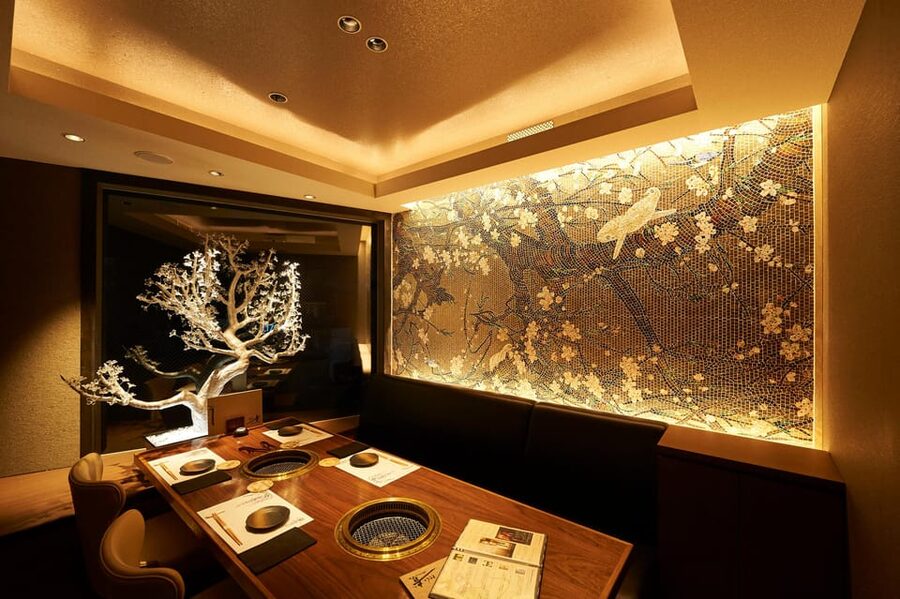
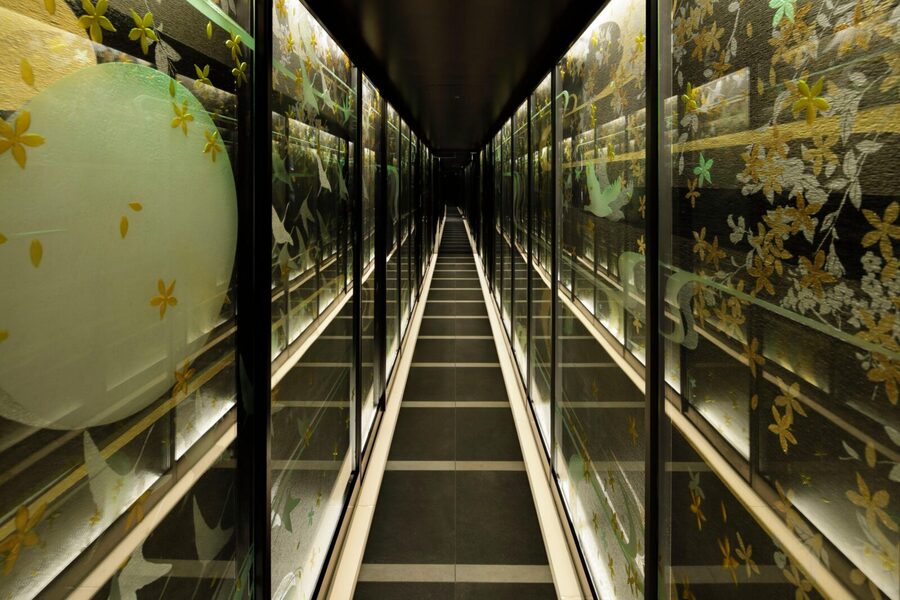
The restaurant provides private rooms only, creating a calm setting from the moment you enter. The rooms draw on the four seasons of Japan, so the design is part of the meal rather than a plain backdrop for the food.
Staff explain the courses and take care with presentation. That is especially useful for the Kirameki and Kinzakura menus, where the beef cuts, seafood, caviar, and preparation styles can arrive in quick succession.
There is no guide. This point is important because the booking is for the restaurant course only. At the reservation time, enter the restaurant directly. The meeting point is described as across from Lawson Gran Customa, but you should still allow time to identify the entrance and arrive promptly.
Specific seat types cannot be guaranteed. If a particular room or view matters to you, do not book on the assumption that you can select it. You can leave dietary restrictions in the checkout comments, but the supplied information does not promise that every restriction can be accommodated, so be clear and specific.
The restaurant is wheelchair accessible. The legal drinking age in Japan is 20, so alcoholic drinks should only be selected for diners who meet that requirement.
Is $113 Per Person Good Value?
At $113 per person, this is not an everyday dinner. The value depends on what you want from Wagyu.
For the price, you receive a complete course, sales tax, reservation, private-room setting, and included drinks. You are also paying for carefully selected A5 beef, formal service, rare ingredients, and several different preparations. If you tried to recreate the same range of premium ingredients through individual orders, the cost could rise quickly.
The Nikunone Course offers the clearest value for a first visit. It includes multiple beef styles, sushi, stew, vegetables, and dessert without the largest amount of caviar and sea urchin.
Kirameki makes sense if you want sashimi, a choice of steak, and a more developed final course. Kinzakura is for the person who specifically wants Chateaubriand, caviar, sea urchin, fruit champagne, and a Wagyu steak sandwich.
I would not choose this restaurant mainly because you are hungry. Choose it because the meal itself is the occasion. The price is easier to justify for a celebration or a carefully planned Tokyo night than for a quick meal between attractions.
Who Should Book This Dinner?
I would recommend Nikunone to you if you enjoy premium beef, quiet dining, and meals with many small stages. It is also a good match if you want a special Japanese restaurant experience but prefer a private room to a crowded counter or open dining room.
The dinner suits serious food fans, couples marking an occasion, and anyone curious about how different Wagyu cuts behave under different preparations. The staff’s explanations make the menu easier to follow, even if you do not already know your tongue from your skirt steak.
I would be more cautious if you dislike rich food, raw beef, sea urchin, caviar, or fixed tasting menus. The lower course includes more familiar supporting dishes, but all three menus are built around Wagyu and luxury ingredients.
Book ahead. The restaurant is described as regularly filling its reservations, and the private-room format limits the number of tables available. Free cancellation is available up to two days in advance for a full refund, which gives you some flexibility while planning.
Should You Book Yakiniku Nikunone?
Book it if you want a formal Wagyu meal rather than casual barbecue. The private seasonal rooms, attentive service, and careful progression make it feel like a special event, while the different course levels let you control how far you go with caviar, sea urchin, champagne, and premium steak.
Choose Nikunone for the best balance of price and variety. Choose Kirameki if you want more seafood and a larger beef comparison. Choose Kinzakura if the luxury ingredients are the main reason you are booking.
Skip it if you want an inexpensive, spontaneous yakiniku dinner or a long, relaxed night with no fixed end time. For everyone else, this is a polished way to spend two hours with Japan’s most prized beef.
FAQ
Where is Yakiniku Nikunone located?
The meeting point is described as across from Lawson Gran Customa in Tokyo, on Honshu, Japan.
How long does the dining experience last?
The reservation lasts two hours, and seats are reserved for a maximum of two hours.
Is this a guided tour?
No. This booking is for the restaurant course only. You enter the restaurant directly at your reservation time, and no guide is provided.
How many courses can I choose from?
You can choose from three full-course menus: the 12-dish Nikunone Course, the 14-dish Kirameki Course, and the 14-dish Kinzakura Course.
What kind of beef does the restaurant serve?
Yakiniku Nikunone specializes in A5-grade Wagyu and serves selected beef cuts in several styles, including salted, marinated, shabu-shabu, sukiyaki, steak, and sushi preparations.
Are drinks included?
Yes. The course details include drinks. Nikunone and Kirameki include one drink, while Kinzakura includes two drinks, with fruit champagne available.
Is the restaurant wheelchair accessible?
Yes. The experience information states that the restaurant is wheelchair accessible.
Can I request dietary accommodations?
You can leave information about dietary restrictions in a comment during checkout. Specific accommodations beyond that are not stated, so provide clear details when making the reservation.
What is the cancellation policy?
You can cancel up to two days in advance for a full refund.
More tours in Tokyo we've reviewed









Tokyo, compared.
 ★ 5.0Mt Fuji and Hakone 1-Day Bus Tour Return by Bullet TrainFrom $163
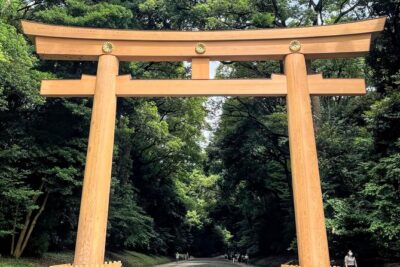 ★ 5.01-Day Tokyo Bus TourFrom $129
 ★ 4.6Tokyo: teamLab Planets TOKYO Digital Art Museum Entry TicketFrom $251 day
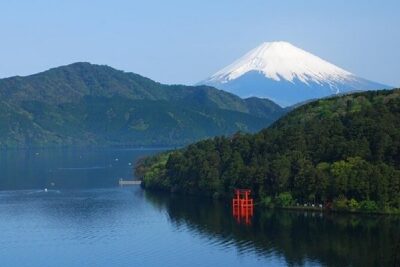 ★ 4.0Mt Fuji & Hakone Cruise, Drum Show Bullet Train 1 Day from TokyoFrom $149
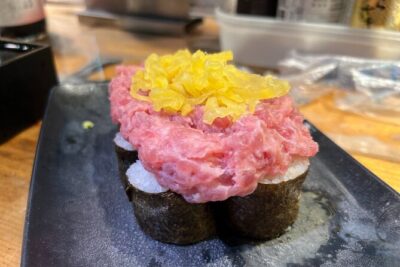 ★ 5.0Tokyo: Shinjuku Food Tour (13 Dishes at 4 Local Eateries)From $86
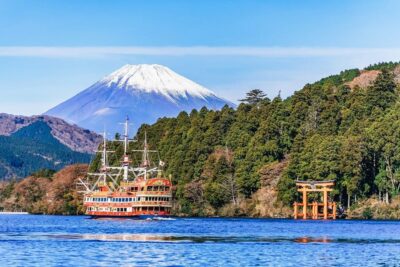 ★ 4.4Tokyo Mt Fuji 5th St & Hakone Cruise Bus Tour w/Bullet TrainFrom $15410 hours