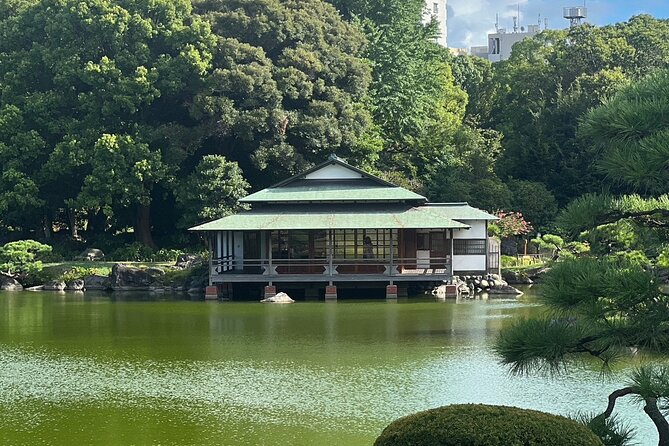
Kiyosumi Shirakawa gives you a calmer, more local side of Tokyo without sending you far from the center. In about […]
Kiyosumi Shirakawa gives you a calmer, more local side of Tokyo without sending you far from the center. In about […]
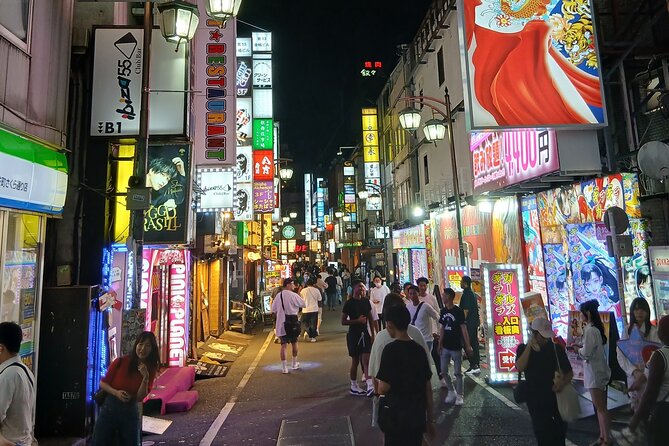
Kabukicho is best understood after dark, when neon signs, themed cafés, tiny bars, and adult entertainment all share the same
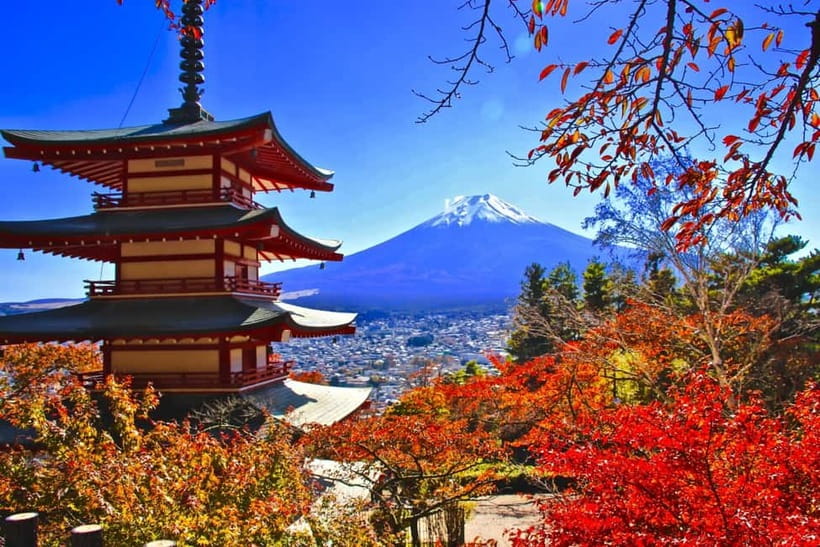
Mt. Fuji supplies the star power here, but the best part is how many different faces of the mountain you
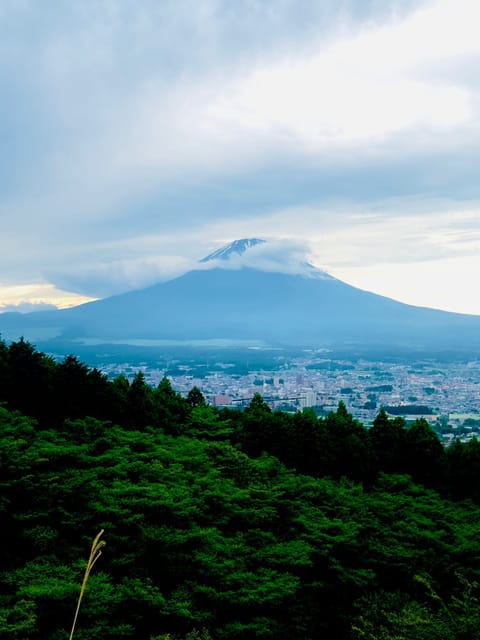
Mount Fuji and Hakone in one day is a bold plan, but this private tour gives you the best chance
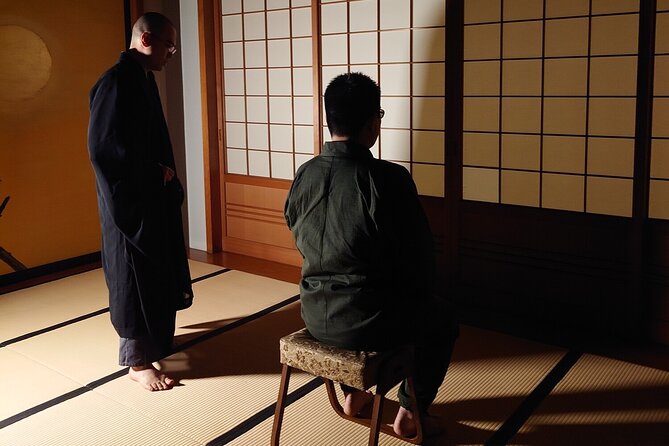
At Denchuji Temple, you learn Zen meditation from a monk rather than simply sitting in a quiet room with an
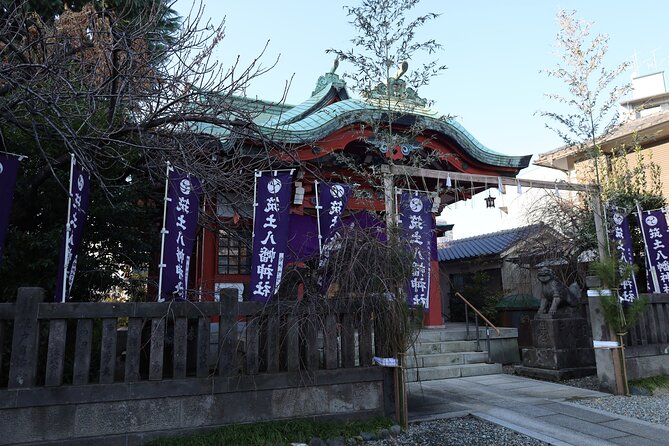
Kagurazaka gives you a side of Tokyo that can vanish between train stops: cobblestone lanes, black wooden fences, old shrines,
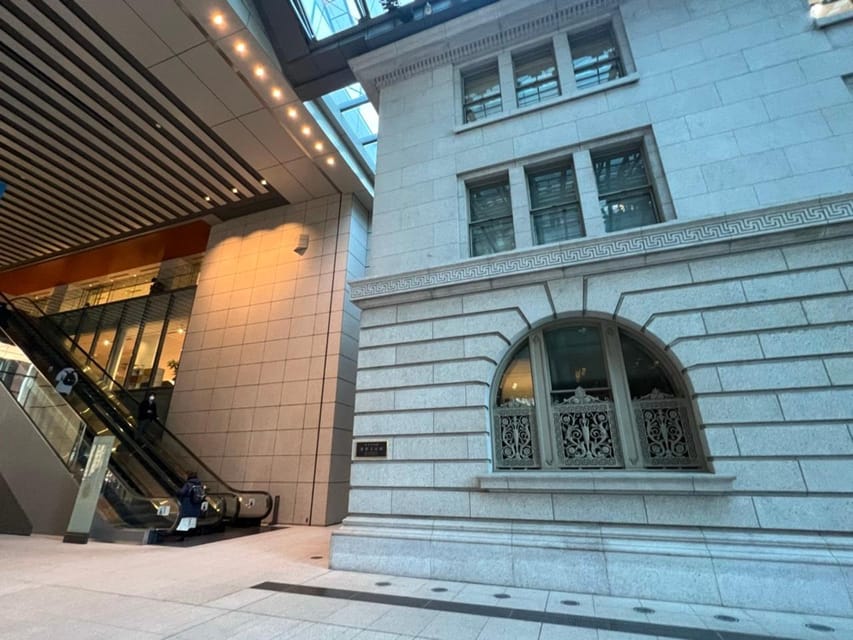
Tokyo’s modern power center and imperial past meet on this compact walk. In two hours, you’ll move from the red-brick
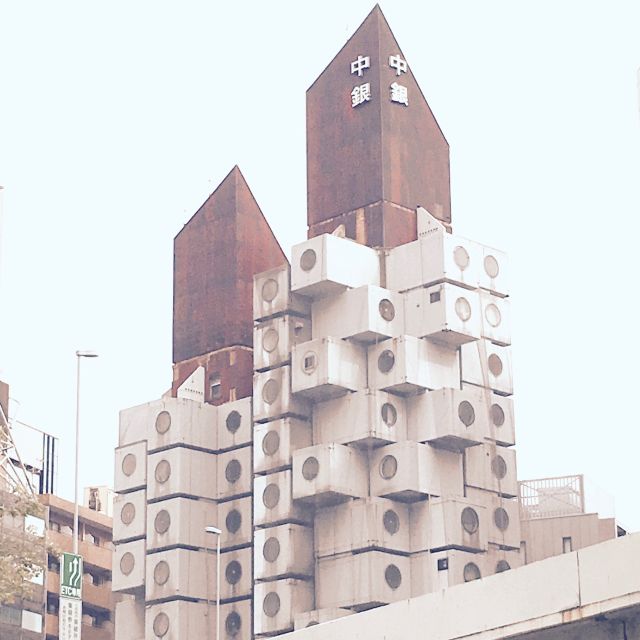
Ginza’s best architecture is not all polished department stores. This 210-minute private walk begins at the unusual Tsukiji Hongwan-ji temple,
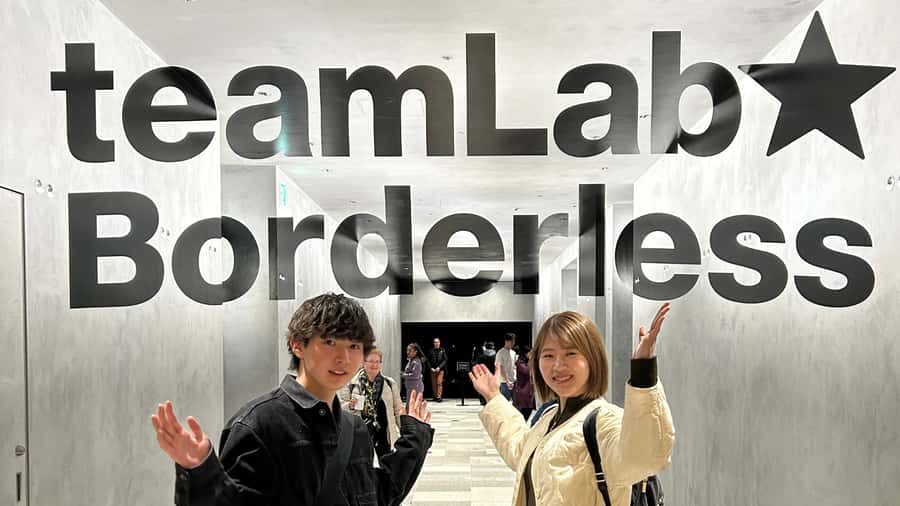
Tokyo’s most polished art-and-architecture district gets a focused four-hour tour here, ending with the dazzling digital rooms of teamLab Borderless.
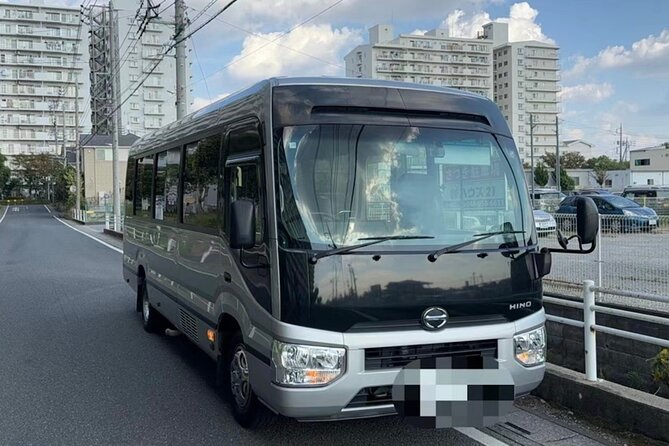
The best thing about this service is its door-to-port simplicity. You and your family get a private ride between Central

A friendly guide to Tokyo for first-timers — written by someone who remembers exactly what it felt like to walk out of Shinjuku Station for the first time.