
Reviewed · TSUKIJI MARKET TOURS
Tokyo: Sushi Making with Pro Chef & Tsukiji Fish Market Tour
Tokyo’s best food lesson may begin with a walk through a market, not a kitchen. This four-hour experience takes you from Tsukiji Fish Market to a third-floor classroom, where a professional chef teaches you to shape nigiri and maki using fresh fish.
I like the small groups, limited to eight people, and the way the market walk connects ingredients with Japanese food culture. I also like that your lunch is the sushi you make, including five nigiri and a maki roll on some sessions.
The main drawback is the strict food policy. Vegetarian, vegan, halal, and gluten-free diets are not accommodated, and sushi toppings cannot be changed on the day. You also need comfortable shoes and enough mobility for market walking and stairs.
In This Review
- Key points to know before booking
- Starting at Tsukiji Honganji Temple
- Walking through Tsukiji’s food stalls
- What the market walk adds to the sushi lesson
- Learning sushi from a professional chef
- The food and dietary limits
- How the guides shape the experience
- Is $101 a fair price?
- Who should book this four-hour experience?
- Practical details for a smoother morning
- FAQ
- How long does the Tokyo sushi and Tsukiji tour last?
- What language is the tour offered in?
- Where is the meeting point?
- Is lunch included?
- How many people are in the group?
- What sushi will I make?
- Can vegetarian or vegan participants join?
- Can the sushi toppings be changed?
- Is the tour accessible for wheelchair users?
- Should you book it?
Key points to know before booking
- Tsukiji comes first: You explore the market before learning how its fish becomes sushi.
- The class is hands-on: A professional chef guides you through several sushi styles, not just a demonstration.
- Small groups help: With no more than eight participants, you should have room to ask questions and get help with technique.
- Guides add local context: Guides such as Tadashi, Yusei, Take, Kate, Yuko, and Matsayo have led market walks that include food traditions, local history, and vendor knowledge.
- The meal is built into the class: You eat the sushi you prepare, so the workshop doubles as lunch.
- Food restrictions need careful thought: Vegetarian, vegan, halal, and gluten-free requests are not supported, while some allergy requests may be possible if made by 5:00 p.m. Japan time the day before.
Starting at Tsukiji Honganji Temple
Your meeting point is the main gate of Tsukiji Honganji Temple, at the front of the temple. This detail matters because map apps may send you to the back. Give yourself extra time to find the correct side rather than arriving at the last minute.
The temple provides a useful opening to the morning. One session included an introduction to Buddhism before the group moved into the market, giving the food tour a little more cultural context than a simple tasting walk. You are not just being led from one snack stall to another. You are starting in a place tied to Tokyo’s religious and social life.
The tour is in English, and the group size is capped at eight. That is a good balance for Tsukiji. A large group can clog narrow lanes and make it hard to hear, while a small group gives you a better chance to stop, ask about an unfamiliar food, or take a photograph without holding everyone up.
Arrive on time. The four hours cannot be extended if you are late, and same-day late arrivals do not receive a refund. This is especially important because the market walk and sushi lesson depend on a set schedule.
A few more Chuo City tours and experiences worth a look
Walking through Tsukiji’s food stalls
Tsukiji is no longer Tokyo’s main wholesale fish market. The wholesale operation moved to Toyosu, but the outer market remains a major place to buy and eat Japanese food. This experience focuses on the fish market area and its role in Tokyo’s food life.
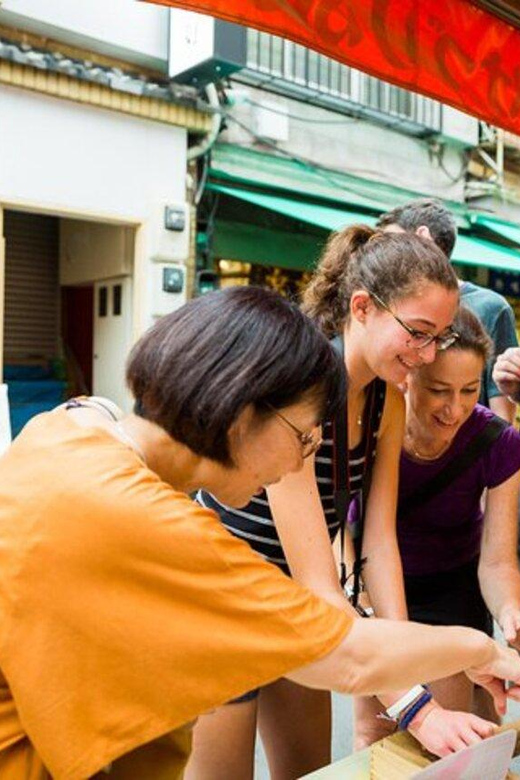
Your guide shows you where ingredients come from and points out the places local food lovers go to eat. The value here is not simply seeing rows of seafood. It is learning how to read the market, what different foods are used for, and why certain ingredients matter in Japanese cooking.
The exact tastings can vary. On one tour, the group sampled whale meat along with other foods. That may not appeal to everyone, and it is worth remembering that a market tour can expose you to foods outside your usual comfort zone. The guide can help explain what you are seeing, but you should not assume every sample will suit your taste or ethics.
The better part of the walk is the access to small details. Guides have pointed out lesser-known offerings, explained food traditions, and allowed time to browse, photograph, and buy food. One guide, Tadashi, was praised for knowing the good spots and arranging samples that would not normally be offered to passersby. That sort of local guidance can turn Tsukiji from a crowded shopping street into a more readable place.
You should still treat the market as a working food district, not a theme park. Walk carefully, keep your group together, and wear shoes that can handle several hours on your feet. Weather matters too. A rainy or snowy day can make the outdoor portion much less comfortable, even though the class itself continues indoors.
What the market walk adds to the sushi lesson
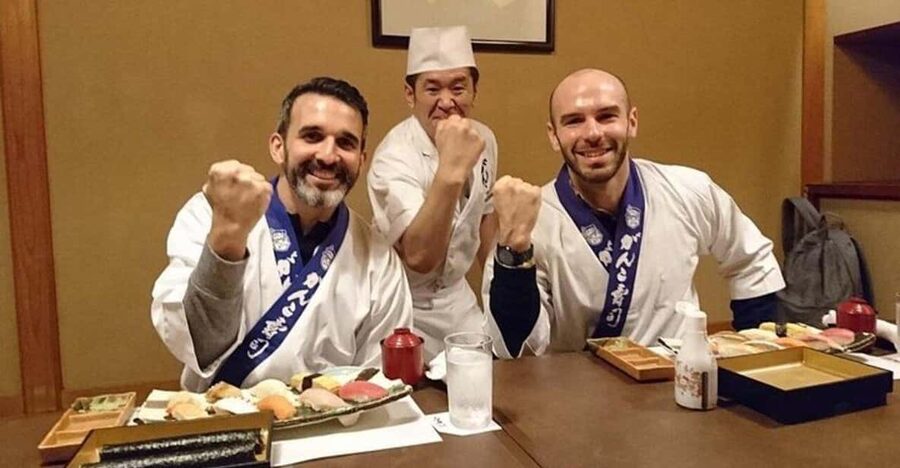
The market visit gives the cooking class a practical foundation. Before you handle rice or fish, you see the setting where seafood is sold and learn why freshness, cutting, and presentation matter.
That connection is one of the strongest reasons to choose this activity over a stand-alone sushi class. A cooking lesson alone can teach you a recipe. This one helps you understand the ingredients as part of Japanese food culture.
Your guide may explain the history of sushi and its place in Japanese cuisine while you walk. The information is aimed at visitors, so you do not need prior knowledge. You should come away with a clearer idea of why sushi is not just raw fish on rice, but a careful combination of rice, seasoning, knife work, topping, and proportion.
There is also room for simple enjoyment. You can stop for pictures, look at unfamiliar products, and sample foods as the guide introduces them. The pace has been designed to allow some lingering rather than rushing from one checkpoint to the next.
Do not expect a private shopping assistant or a full market meal before the class. Lunch is the sushi you make later, and any extra purchases or snacks at Tsukiji are separate. If you want a large breakfast, plan for that before the tour or keep your expectations modest during the walk.
Learning sushi from a professional chef
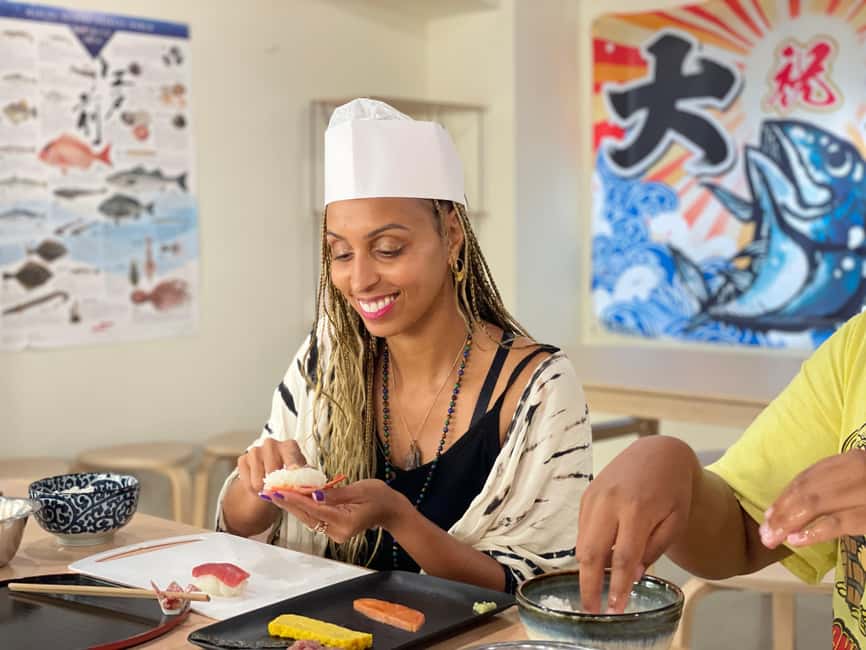
After the market portion, you go to the sushi workshop. The classroom is on the third floor, so you need to climb stairs. Wheelchair users and people with mobility impairments should not book this activity, and it is not suitable for children under four.
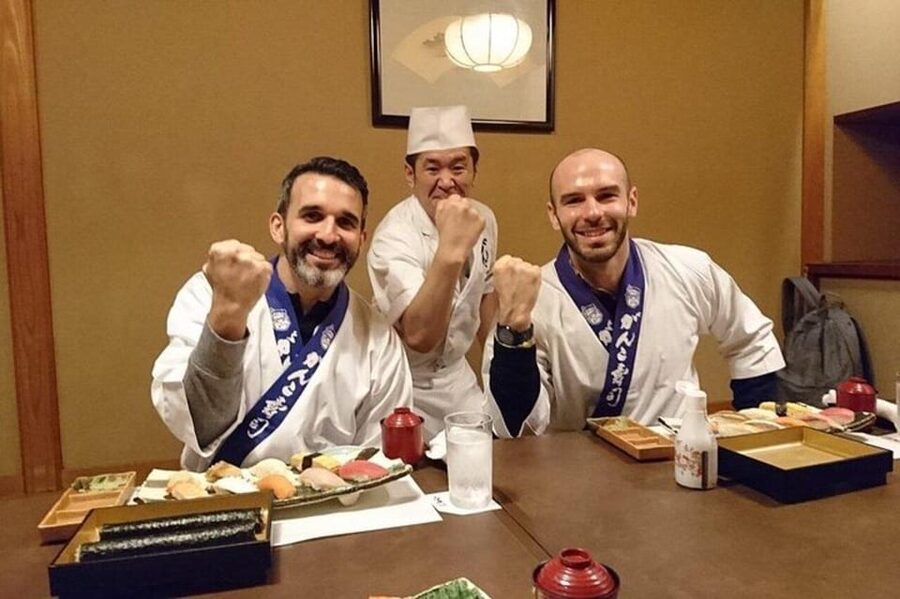
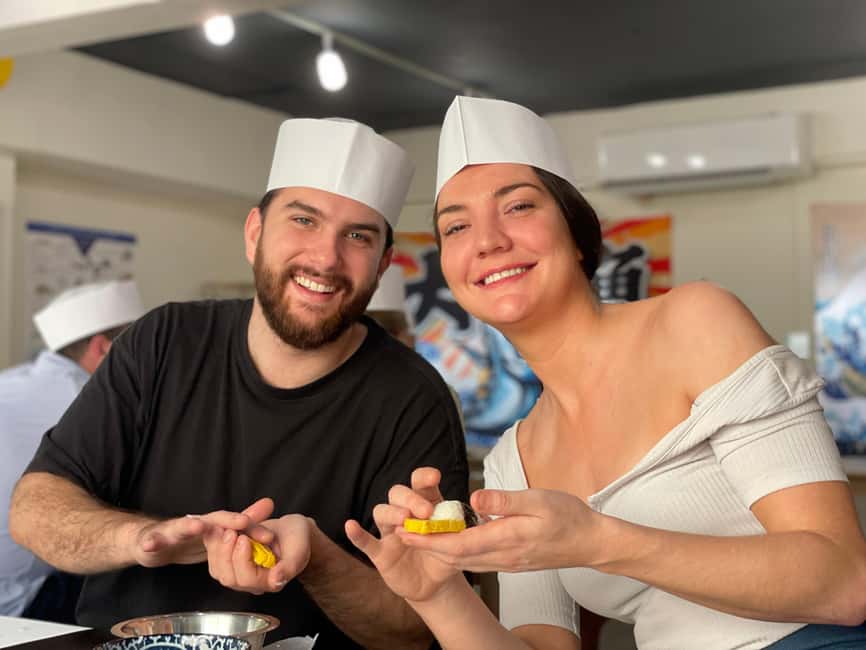
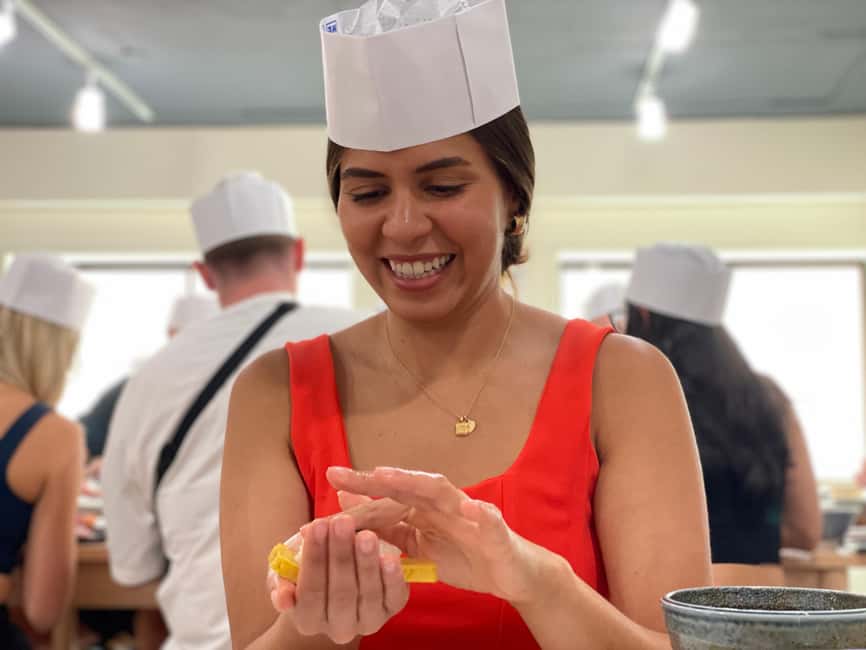
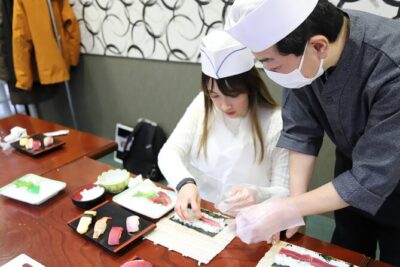
The chef teaches step by step. You learn by doing, with help available when your rice shape is uneven or your sushi looks less tidy than the example. That hands-on support matters because sushi can look simple while requiring careful pressure and control.
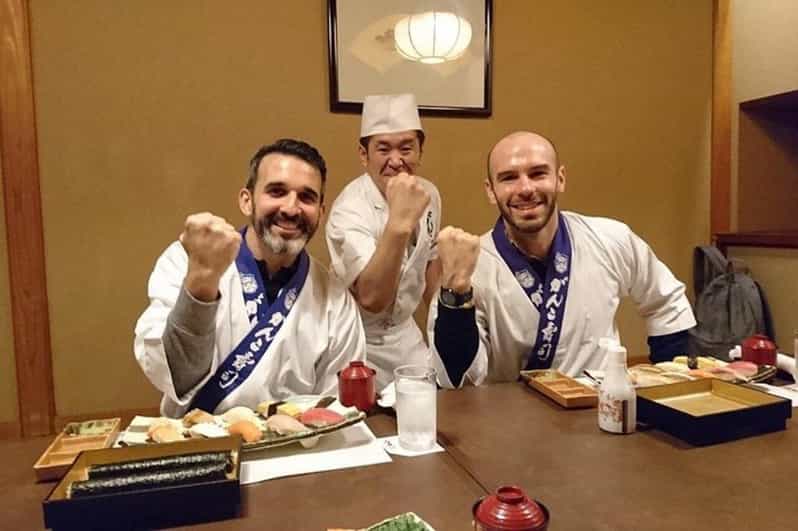
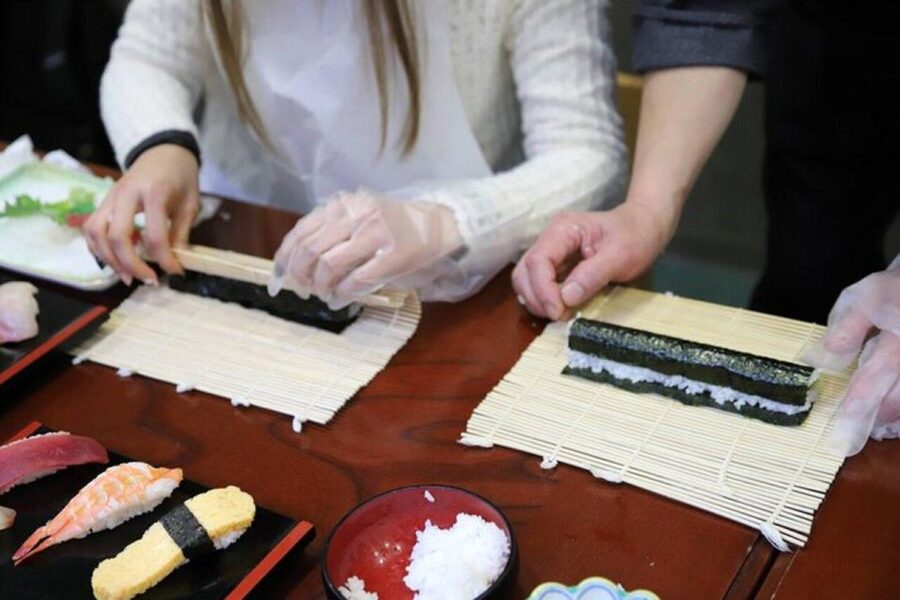
The class covers several types of sushi. A typical result includes five pieces of nigiri and one maki roll, though the exact selection depends on the session. You learn how to prepare and shape the sushi rather than merely watching a chef work.
You may also see the chef prepare fish and explain different kinds of seafood. One session included instruction on fish, carving, and the craft behind the finished pieces. This is useful because the best lesson is not just how to place a topping on rice. It is seeing how preparation affects texture, appearance, and taste.
The chef and assistants help beginners. You do not need to arrive with cooking experience, and an untidy first piece is part of the fun. The goal is not to produce restaurant-perfect sushi. It is to understand the basic technique well enough to make a plate you are proud to eat.
The meal is included, using the sushi you prepare in the workshop. That makes the $101 price easier to assess. You are paying for the market walk, English-speaking guide, instruction from a professional chef, ingredients, and lunch, not only for a short cooking demonstration.
The food and dietary limits
This is a seafood-focused experience, and the limits are firm. Vegetarian and vegan visitors should not book it. Halal and gluten-free requests are also not accommodated.
Sushi toppings cannot be changed on the day of the event. If you have an allergy, contact the provider before 5:00 p.m. Japan time on the day before the tour. Allergy requests may be considered, but they are not guaranteed, so you should get a clear answer before paying.
Infants and toddlers are free, but a child who wants to make sushi will not receive a separate sushi kit. Children under four are not suitable for the activity, and the stairs and four-hour walking schedule may be tiring for young children even when they are old enough to attend.
For everyone else, the food is a major part of the appeal. You get to taste ingredients at the market and then work with fish in the class. If you are keen to understand Japanese cuisine through its basic ingredients, this is more useful than a generic cooking lesson with supermarket supplies.
One small practical note comes from the class format: bring your own expectations about condiments. Extra green tea and soy sauce may not always be plentiful, so do not count on unlimited refills.
How the guides shape the experience
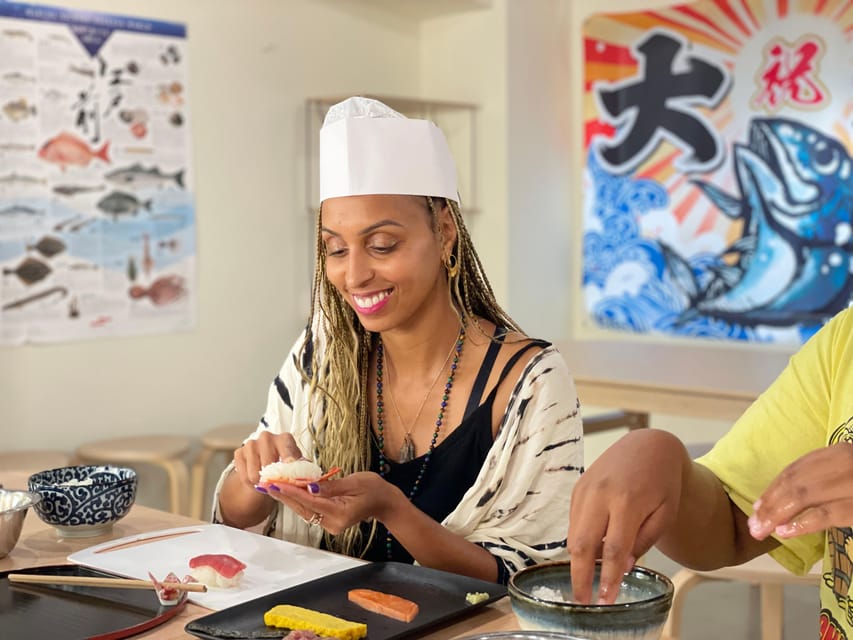
The guide is important here because the market can otherwise feel like a maze of shops and smells. Names associated with the experience include Tadashi, Yusei, Take, Kate, Yuko, and Matsayo.
The strongest guiding style is patient and flexible. You want someone who will explain the temple, point out foods worth trying, and give you time to look without losing control of the schedule. Past sessions have included explanations of Buddhism, the market’s role in Tokyo, food traditions, and less familiar local offerings.
A good guide also helps with small social moments. Vendors may be more willing to offer samples or explain a product when the guide knows the area. That does not mean every visit will produce the same tastings, but it does mean the tour can offer more than a self-guided walk.
The English language format is helpful for asking about ingredients and technique. With only eight participants, you should have a better chance of hearing the explanations than you would in a large food tour.
Is $101 a fair price?
At $101 per person, this is not a budget market stroll. The price makes more sense when you treat it as two connected activities: a guided Tsukiji visit and a professional sushi workshop with lunch.
You would need to pay separately for market food, a cooking class, and a meal if you built a similar morning yourself. The tour also removes much of the guesswork. You do not need to choose which stalls to visit, work out the food vocabulary alone, or find a sushi school after navigating the market.
The value is strongest for first-time visitors to Japan and for people who want an activity rather than a sightseeing stop. You get cultural context, tastings, practical instruction, and food to eat at the end.
The value is weaker if you already know Tsukiji well, have taken several sushi classes, or want a simple inexpensive lunch. It is also a poor fit if dietary restrictions prevent you from eating the class menu.
The cancellation policy is useful for planning: you can cancel up to 24 hours in advance for a full refund, and you can reserve now and pay later. That flexibility does not apply to same-day cancellations or late arrivals.
Who should book this four-hour experience?
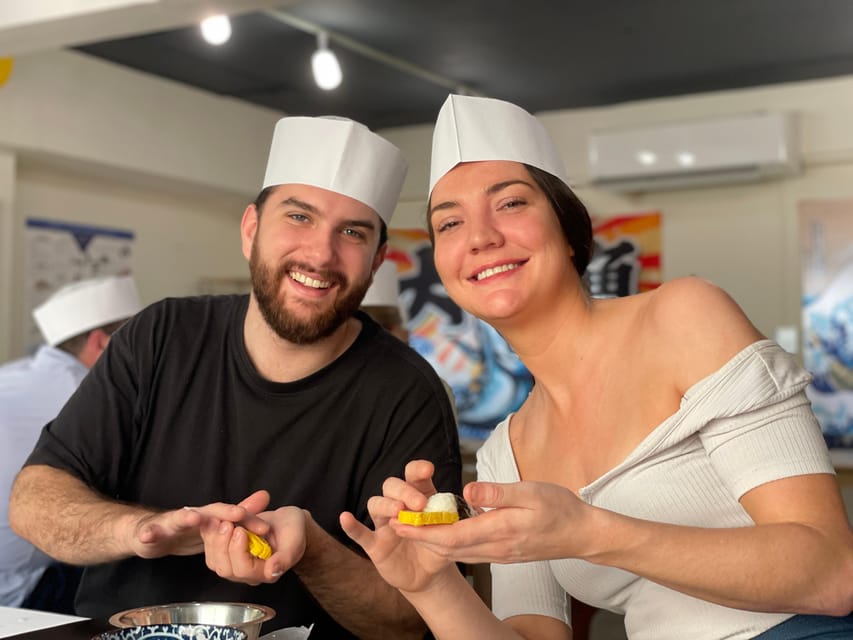
I would recommend it to first-time Tokyo visitors who want food, culture, and a small amount of practical learning in one morning. Couples, families with older children, and groups of adult friends should find the format easy to enjoy if everyone eats seafood and can manage the walking and stairs.
It also suits people who feel nervous about cooking. The class is guided step by step, and the instructors help you improve rather than leaving you to guess. Your sushi may not look perfect, but you will understand more about how it is made.
Food enthusiasts will appreciate the market-to-kitchen connection. You see ingredients in their selling environment, hear how they fit into Japanese cuisine, and then use them yourself.
I would hesitate to recommend it to anyone who wants a quiet or highly polished food setting. Tsukiji can be crowded, weather can affect the walk, and the market portion is active rather than leisurely. People with strict dietary requirements should choose another activity.
Practical details for a smoother morning
Wear comfortable shoes. You will walk through the market and later climb stairs to the third-floor classroom.
Check the market calendar when choosing your date. The fish market, including the Uogashi wholesaler market, is closed on Wednesdays, Sundays, and other designated market holidays. Market closures may affect what you see, so do not assume every day offers the same route.
Meet at the front main gate of Tsukiji Honganji Temple, not the back. Google Maps can be misleading at this location.
Tell the operator about allergies by 5:00 p.m. Japan time the day before. Do not wait until the morning of the tour, since toppings cannot be changed on the day.
Keep a little flexibility in your appetite. You may sample foods during the market walk, but the included lunch comes from your sushi workshop. Extra food or shopping is not listed as included.
FAQ
How long does the Tokyo sushi and Tsukiji tour last?
The activity lasts four hours, including the Tsukiji Fish Market walk and sushi workshop.
What language is the tour offered in?
The tour is offered in English with a live local guide.
Where is the meeting point?
Meet at the main gate of Tsukiji Honganji Temple, at the front of the temple. Google Maps may direct you to the back, so use the front main gate instead.
Is lunch included?
Yes. Lunch consists of the sushi you make during the workshop.
How many people are in the group?
The group is limited to eight participants.
What sushi will I make?
The class teaches several sushi varieties. Some sessions include five pieces of nigiri and one maki roll.
Can vegetarian or vegan participants join?
No. The activity is not suitable for vegetarians or vegans. Halal and gluten-free requests are also not accommodated.
Can the sushi toppings be changed?
No. Sushi toppings cannot be changed on the day. Allergy requests must be sent by 5:00 p.m. Japan time on the day before the tour, and accommodation may not be possible.
Is the tour accessible for wheelchair users?
No. The activity is not suitable for wheelchair users or people with mobility impairments. You need to walk during the market visit and climb stairs to the third-floor classroom.
Should you book it?
Book this if you want to connect Tsukiji’s ingredients with the sushi on your plate. The small group, market guidance, professional chef, and included meal make the $101 cost reasonable for a half-day food experience.
Skip it if you need vegetarian, vegan, halal, or gluten-free food, or if market walking and stairs are difficult. For everyone else, this is a practical and enjoyable way to understand sushi by seeing it, tasting it, and making it yourself.
More Shopping Tours in Chuo City
More Tsukiji Market Tours in Chuo City
More tours in Chuo City we've reviewed
Tsukiji Market Tours, compared.
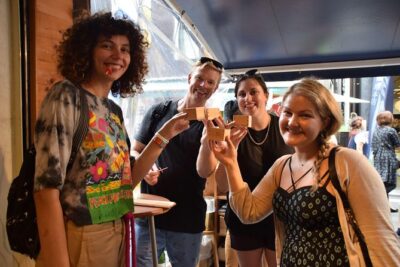 ★ 5.0Tokyo Tsukiji Fish Market Food and Culture Walking TourFrom $99
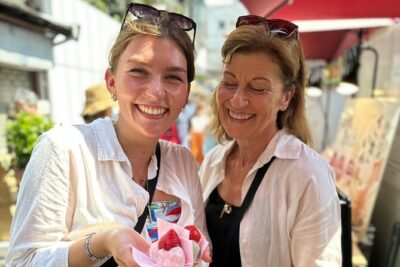 ★ 5.0Tokyo: Tsukiji Fish Market Food and Walking tourFrom $30
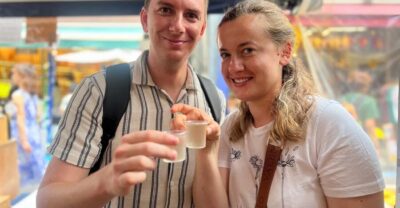 ★ 4.9Tokyo: Tsukiji Fish Market Guided Walking TourFrom $222 hours
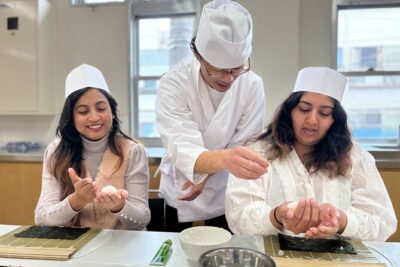 ★ 5.0Tokyo Sushi Making Class in Tsukiji with Professional ChefFrom $49
 ★ 5.0Tsukiji Fish Market Guided Tour and Sushi Making with Pro ChefFrom $104
★ 4.7Tokyo: Tsukiji Fish Market Food and Culture Walking TourFrom $963 hours
★ 5.0Tsukiji Fish Market Guided Tour and Sushi Making with Pro ChefFrom $104
★ 4.7Tokyo: Tsukiji Fish Market Food and Culture Walking TourFrom $963 hours