
Reviewed · MT FUJI DAY TRIPS
Tokyo: Private Mt. Fuji Luxury Day Tour – Fully Customizable
The best thing about this Mt. Fuji outing is the freedom to shape the day around your group. You can start from your Tokyo hotel, ride in a private Prado, Alphard, Crown, or Vellfire, and choose a sensible mix of views, villages, shrines, and photo stops instead of following a fixed bus schedule. I especially like the door-to-door pickup and the chance to ask for an early start, which helped one family leave at 6:30 a.m. to beat traffic.
I also like the calm pace and helpful driving. Asif has been praised for smooth driving and a comfortable vehicle, while Alex has helped families with photos, timing, and mobility needs. The main catch is simple: you cannot sensibly visit every place listed in one 10-hour day. Traffic and mountain weather can cut into your sightseeing time, so agree on your must-see stops before leaving Tokyo.
In This Review
- Key details that matter before you book
- Why a private Fuji day can be worth the money
- Starting from Tokyo and crossing toward Fuji
- Mt. Fuji 5th Station for mountain air and close views
- Lake Kawaguchi and Oishi Park scenery
- Chureito Pagoda and Arakurayama Sengen Park
- Oshino Hakkai and the traditional village feel
- Optional stops around the Fuji Five Lakes
- Adding Hakone, Lake Ashi, and the ropeway
- Gotemba Premium Outlets for a shopping finish
- Guides, comfort, and the human side of the day
- Weather, traffic, and realistic expectations
- Who should book this private Fuji tour?
- Should you book it?
- FAQ
- How long does the Mt. Fuji private tour last?
- Where is pickup available?
- How many people can join the tour?
- Are meals and entrance tickets included?
- Can I choose the stops?
- What languages are available?
Key details that matter before you book
- Private vehicle for your group: You travel with only your own party, up to five people at the advertised group price.
- Tokyo 23-ward pickup: Hotel, accommodation, landmark, or station pickup is available, but not from airports or ports.
- Choose four or five main stops: Add one extra experience only if traffic and timing allow.
- Three classic Fuji viewpoints: Chureito Pagoda, Lake Kawaguchi, and Oshino Hakkai make a strong core route.
- English and other language support: Guides and drivers are listed for English, Urdu, Hindi, Japanese, Punjabi, and Arabic.
- Weather can change the plan: Mt. Fuji may disappear behind cloud, and the tour may be rescheduled in poor conditions.
Why a private Fuji day can be worth the money
The advertised cost is $387 per group of up to five. That is not a cheap day trip for one person, but it becomes a more reasonable deal when split among a family or small group. You are paying for a private vehicle, fuel, tolls, parking, hotel pickup, bottled water, coffee, and the ability to change the order of the day.
The bigger value is time and comfort. A standard group outing may lock you into a departure, fixed meal stop, and set sightseeing windows. Here, you can spend longer at a photo point, shorten a stop that does not interest you, or choose a quieter route when the roads are slow.
The vehicle matters because this is a long day. The drive from Tokyo to the Fuji area takes about 105 minutes in the stated schedule, each way, before traffic delays. A clean, air-conditioned vehicle with Wi-Fi gives you a place to rest between stops. One family found the ride comfortable enough for their children to sleep, and that is useful context for parents facing a full day on the road.
There are a few costs beyond the tour price. Food, personal spending, and entrance tickets are not included. The Mt. Fuji 5th Station has a stated entrance charge of 2,800 yen. If you add the Hakone Ropeway, Open-Air Museum, caves, or other paid attractions, budget for those separately.
A few more Fujiyoshida tours and experiences worth a look
Starting from Tokyo and crossing toward Fuji
Pickup is available within Tokyo’s 23 wards, including Shinjuku, Shibuya, Shinjuku, Shibuya, Minato, Chiyoda, Chuo, Shinagawa, Taito, Meguro, Bunkyo, Ota, and the other central and eastern wards. The practical choice is your hotel lobby, where you should wait 10 minutes before the agreed time.
The driver waits up to 60 minutes after the scheduled pickup, but you should not treat that as spare time. Tokyo traffic is unpredictable, and a late start can cost you a major stop later. If Fuji views are your priority, ask about leaving early. One family arranged a 6:30 a.m. departure and found that useful for reducing traffic.
Your driver is also your guide, but this is not the same as hiring a licensed guide service. The included guide service is described as an experienced English-speaking driver, with other languages available. If you want detailed specialist commentary at every temple or museum, ask what level of guiding your selected driver provides.
Mt. Fuji 5th Station for mountain air and close views
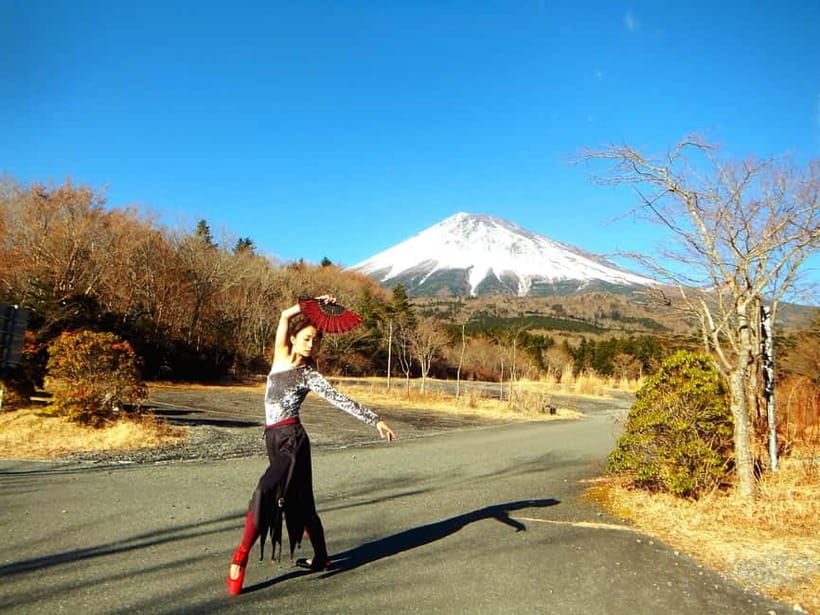
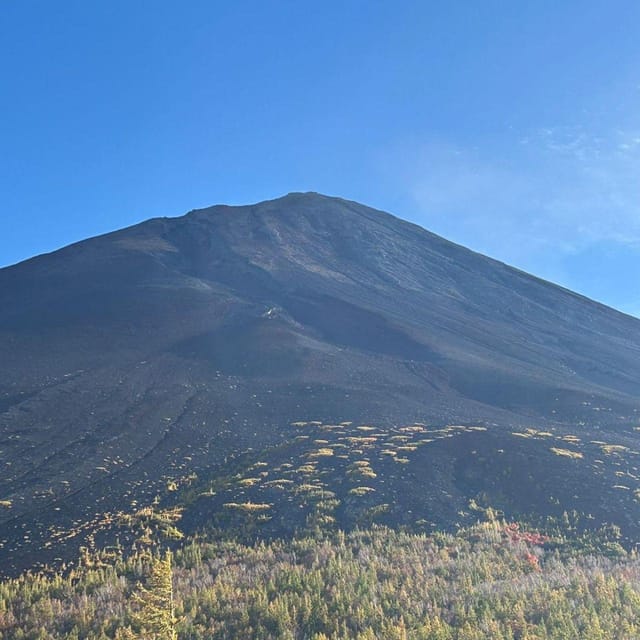
The 5th Station is the highest point listed on the standard Fuji-focused route, with about an hour set aside for a visit. It gives you a closer look at the mountain and a chance to feel the cooler air above the lower lakes and villages.
This stop is most appealing if you want a sense of Fuji as a mountain, not only a distant shape in a photograph. Bring warm clothing, even if Tokyo feels mild. Conditions can shift quickly, and the supplied advice also recommends a hat, sunscreen, and comfortable shoes.
The 5th Station is weather dependent. Cloud can cover the upper slopes, and road conditions or seasonal access may affect the plan. There is also an entrance charge of 2,800 yen, which is not covered by the tour price. Ask about the current access situation before you commit to this stop.
Lake Kawaguchi and Oishi Park scenery
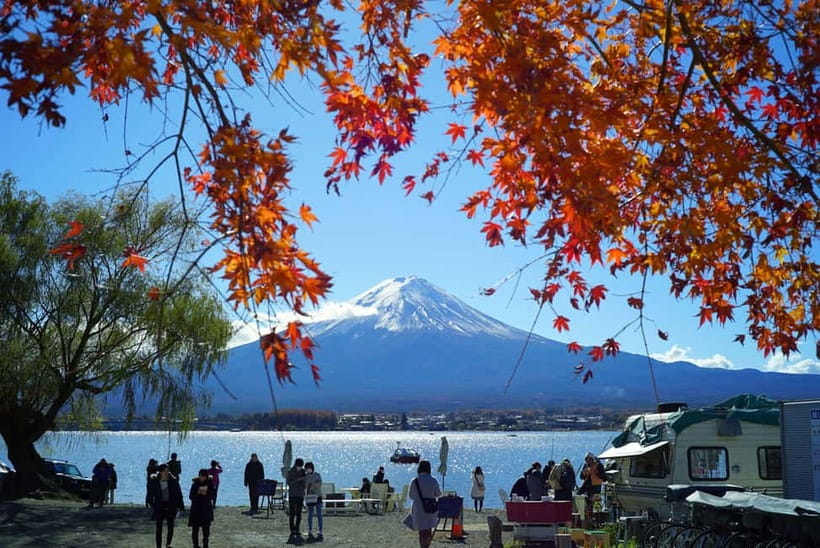
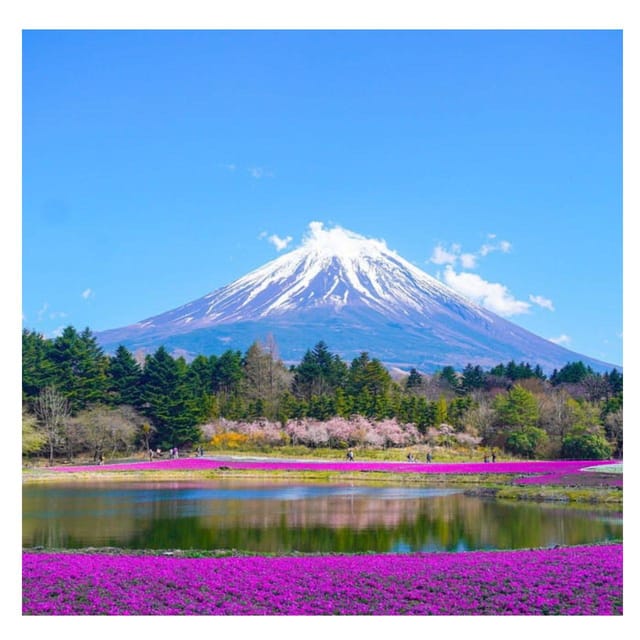
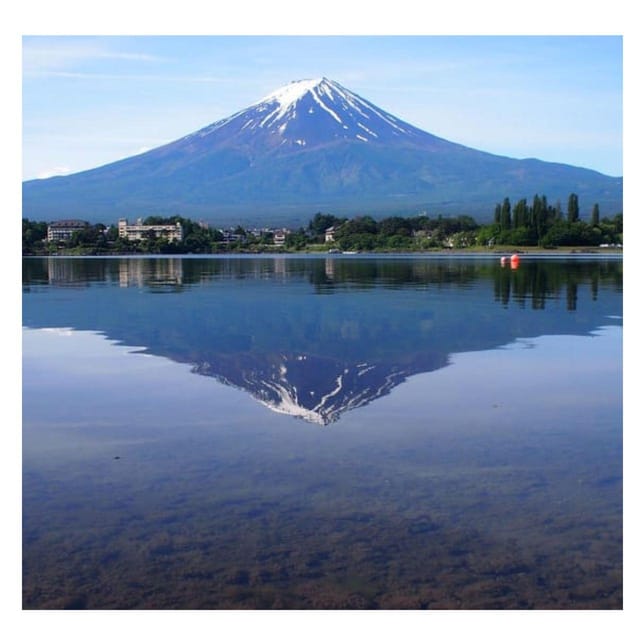
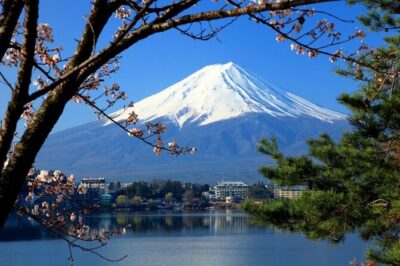
Lake Kawaguchi is one of the most dependable places to pair water, open views, and Mt. Fuji photography. The planned stop lasts about 40 minutes, enough for a walk and pictures but not a slow lakeside afternoon.
Oishi Park is especially suitable for a short scenic pause. You can stretch your legs, take photographs, and enjoy a more open view after the drive. If Fuji is hidden by cloud, the lake still gives the stop some value, but do not expect a guaranteed mountain view on any day.
The short visit also shows why you should not pack the itinerary too tightly. A 40-minute stop can work when the weather is clear and the roads are kind. In heavy traffic, you may have to choose between more time here and another attraction.
Chureito Pagoda and Arakurayama Sengen Park
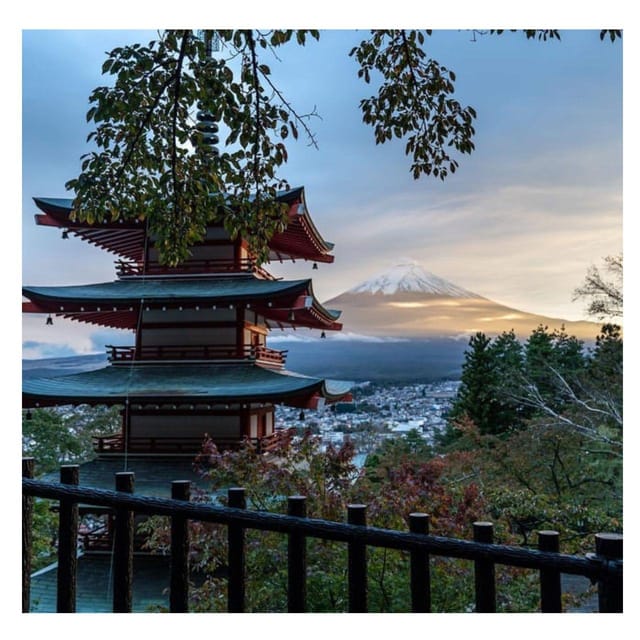
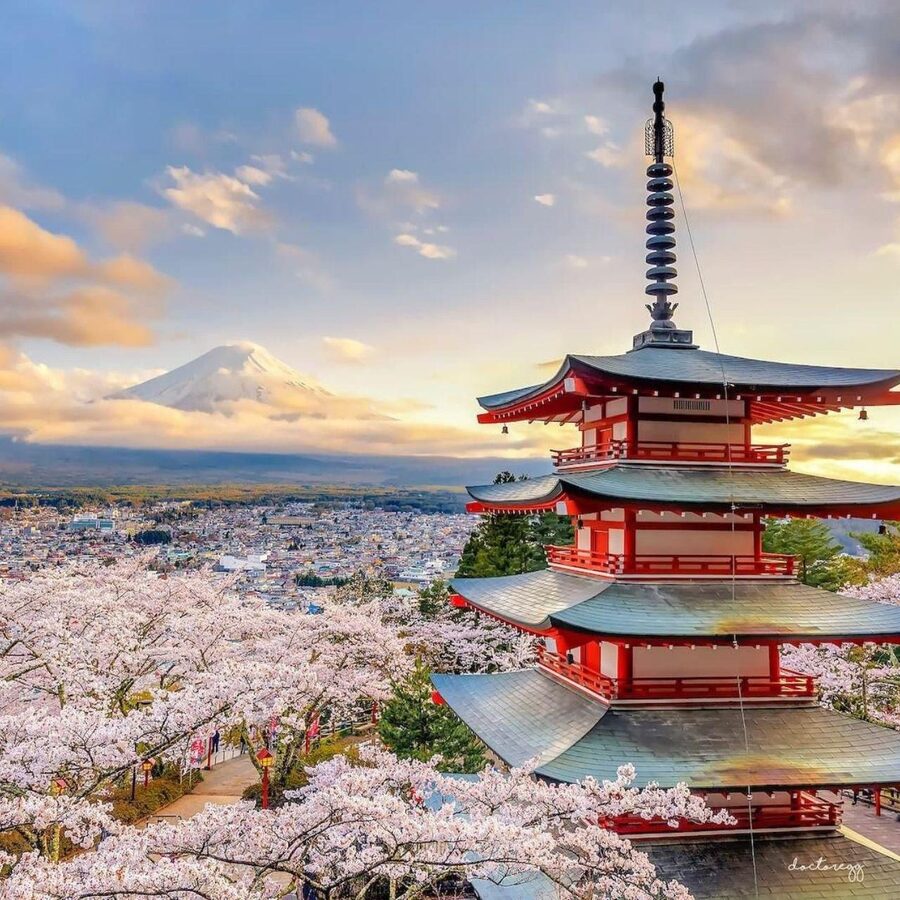
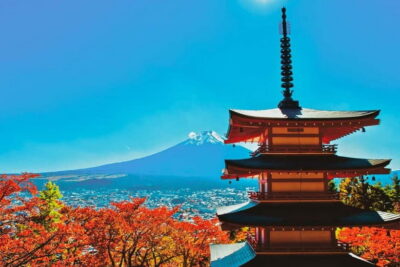
Chureito Pagoda is the classic Fuji postcard stop. The red pagoda, wooded hillside, and mountain view create the image most people have in mind when they picture the area.
The pagoda sits in Arakurayama Sengen Park, and reaching the main viewpoint involves walking and stairs. That matters if someone in your group has back or mobility problems. Wheelchair access and child seats can be arranged, but ask about the exact plan for this stop before booking.
One useful piece of timing advice is to make Chureito your first major stop if it is your top priority. A driver named Alex chose it first for one family, and that made sense because it protected the most important photo opportunity before delays could build. The driver can also help with family photos, an appreciated service when everyone wants to appear in the picture.
Oshino Hakkai and the traditional village feel
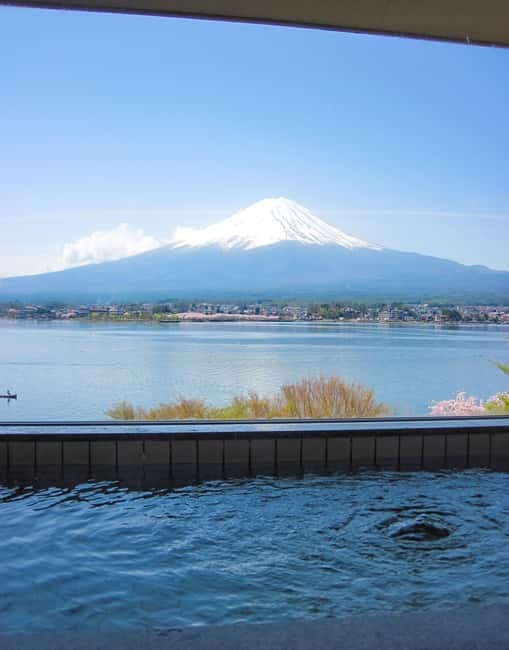
Oshino Hakkai offers a change from broad lake views. The small village is known for clear spring water, traditional buildings, walking paths, and local food stalls. A 40-minute visit lets you see the main area without turning the day into a long village excursion.
I would choose Oshino Hakkai if you want a little local character alongside the big Fuji viewpoints. It is a better fit for people who like short walks, rural scenery, and a more traditional setting. It can feel busy at popular times, so your driver’s advice on arrival time may be useful.
Do not expect a full cultural tour in 40 minutes. The stop is a sampler. You will get the setting and a few photographs, then move on.
Optional stops around the Fuji Five Lakes
The route includes several optional choices, but they compete for the same limited hours. Saiko Iyashi-no-Sato Nenba is a reconstructed traditional village with hands-on and cultural elements. It may suit you if you want something more than viewpoints and photographs.
Narusawa Ice Cave offers a cooler, more unusual stop. The visit is planned for about 40 minutes and includes safety guidance. Wear shoes with a good grip, and consider your comfort with uneven or confined spaces before choosing it.
The local restaurant stop is also flexible. Food is not included, but the driver can arrange a lunch stop based on your preferences. This is useful for families or groups with particular tastes, though a relaxed meal will reduce the number of other attractions you can fit in.
The best plan is usually four or five main stops, plus one extra. Trying to collect every listed location can turn a scenic outing into a race between parking lots.
Adding Hakone, Lake Ashi, and the ropeway
Hakone gives the day a different character, with Lake Ashi, Hakone Shrine, the Hakone Ropeway, and the Hakone Open-Air Museum all available as possible stops. Lake Ashi is planned as a 40-minute visit, while Hakone Shrine gets about 30 minutes.
The shrine is a good choice if you want a traditional religious site and lakeside scenery. The Ropeway takes about an hour and adds a cable-car ride, while the Open-Air Museum also needs around an hour. Each can be worthwhile, but adding all three to a Fuji route is ambitious.
I would not try to combine Mt. Fuji 5th Station, Chureito Pagoda, Lake Kawaguchi, Oshino Hakkai, Hakone Shrine, the Ropeway, and the museum in one day. Pick either a Fuji-heavy plan or a Fuji and Hakone mix. Your driver can help order the stops, but no vehicle can remove the distance between them.
Gotemba Premium Outlets for a shopping finish
Gotemba Premium Outlets is the practical choice for a group that wants shopping rather than another nature stop. The schedule allows about an hour, which is enough to browse or make a focused purchase, but not enough for a leisurely outlet marathon.
The setting can also provide Fuji views when the mountain is visible. Still, shopping works best as an alternative to a scenic or cultural stop, not as an addition to every other attraction.
This is a particularly useful option for families with mixed interests. One person can shop while another takes a break. Remember that personal purchases are not included, and the stop may not appeal if your main goal is temples, villages, or mountain views.
Guides, comfort, and the human side of the day
The strongest part of this experience is the personal service. Asif has been praised for gentle driving and careful attention to a group’s choices. Alex has helped with photos, changed start times, explained the area, and supported a family member with mobility issues. Ali has also been described as flexible and willing to visit the main Fuji viewpoints.
That does not mean every day will be identical. Drivers may have different strengths, and the experience includes an English-speaking driver rather than a guaranteed licensed cultural guide. If you want a particular language or have a detailed interest in Japanese history, confirm it in advance.
The private format is especially helpful with children, older relatives, and small groups. Child seats and wheelchair access are available on request. The activity is not suitable for people with back problems, and the walking at Chureito, caves, shrines, and parks should be discussed if anyone has health concerns.
Weather, traffic, and realistic expectations
Fuji is a weather gamble. You can plan the perfect route and still find the mountain hidden by cloud. One family had a cloudy day, but Alex pointed out where Fuji was and helped them make the most of the available photo chances. That is useful, but it cannot replace a clear view.
Traffic is the other big variable. The stated duration is 10 to 12 hours, including driving, and the route starts and ends with long vehicle journeys. Tokyo congestion or slow roads around popular Fuji sites can stretch the day and force you to drop a stop.
I recommend deciding your priorities in advance:
- For the classic photograph: Chureito Pagoda and Lake Kawaguchi.
- For village atmosphere: Oshino Hakkai and Saiko Iyashi-no-Sato.
- For a close mountain visit: Mt. Fuji 5th Station.
- For unusual scenery: Narusawa Ice Cave.
- For Hakone: Lake Ashi, the shrine, and one major paid attraction.
- For shopping: Gotemba Premium Outlets.
The tour can be rescheduled because of bad weather or unforeseen events. Free cancellation is available up to 24 hours before departure, and you can reserve now and pay later, which helps when your Japan plans are still shifting.
Who should book this private Fuji tour?
I would choose this experience for a family, couple, or small group that values privacy and does not want to manage trains and buses across a wide rural area. It is also a strong fit if someone in your party needs a flexible pace, hotel pickup, child seating, or extra help with photographs.
It is less suitable for a solo visitor seeking the lowest possible price. It may also disappoint you if you expect a fully guided historical tour or believe every listed attraction can fit into one day.
Before booking, send the operator your group size, preferred language, mobility needs, and top three stops. Confirm the vehicle, pickup point, entrance fees, and whether your chosen route includes the 5th Station charge. That short planning step will make the private format much more useful.
Should you book it?
Book this tour if you want comfort, control, and a practical Fuji route from Tokyo. The strongest plan is four or five stops, with Chureito, Lake Kawaguchi, and Oshino Hakkai forming the core, then one extra such as the 5th Station, ice cave, village, or shopping outlet.
Skip it if you prefer public transport, a fixed low-cost itinerary, or a specialist guide at every site. For everyone else, the private vehicle and flexible timing make the $387 group price fair when shared by several people. Just start early, dress for mountain weather, and accept that Fuji itself may choose not to appear.
FAQ
How long does the Mt. Fuji private tour last?
The experience lasts approximately 10 to 12 hours, including commuting time between Tokyo and the Fuji area. Heavy traffic in Japan may make the day longer.
Where is pickup available?
Pickup is available from hotels, accommodations, landmarks, or stations within Tokyo’s 23 wards. Airport and port pickup are not included.
How many people can join the tour?
The advertised price covers a private group of up to five people. The vehicle service also states that groups of up to six may be possible, so confirm the exact vehicle and group size before booking.
Are meals and entrance tickets included?
No. Food, drinks, personal expenses, and applicable entrance tickets are not included. Mt. Fuji 5th Station has a stated entrance charge of 2,800 yen.
Can I choose the stops?
Yes. The itinerary is customizable. Four or five main stops are recommended, with the option to add one extra experience if time allows.
What languages are available?
Live guide support is listed in English, Urdu, Hindi, Japanese, Punjabi, and Arabic. Confirm your preferred language when arranging the tour.
More Mt Fuji Day Trips in Fujiyoshida
More tours in Fujiyoshida we've reviewed
Mt Fuji Day Trips, compared.
 ★ 5.0Mt Fuji and Hakone 1-Day Bus Tour Return by Bullet TrainFrom $163
 ★ 4.0Mt Fuji & Hakone Cruise, Drum Show Bullet Train 1 Day from TokyoFrom $149
 ★ 4.4Tokyo Mt Fuji 5th St & Hakone Cruise Bus Tour w/Bullet TrainFrom $15410 hours
 ★ 4.5From Tokyo: Mount Fuji Full-Day Sightseeing TripFrom $6810 hours
 ★ 4.7Tokyo: Mt. Fuji Tour, Hakone Ropeway, Owakudani, Lake AshiFrom $5410 hours
 ★ 4.4Tokyo:Mt.Fuji,Kawaguchiko Oishi Park,Arakurayama Sengen ParkFrom $5410 hours